
Living With Hypothyroidism

Living with hypothyroidism

How to Fix Brain Fog and Anxiety

Introduction

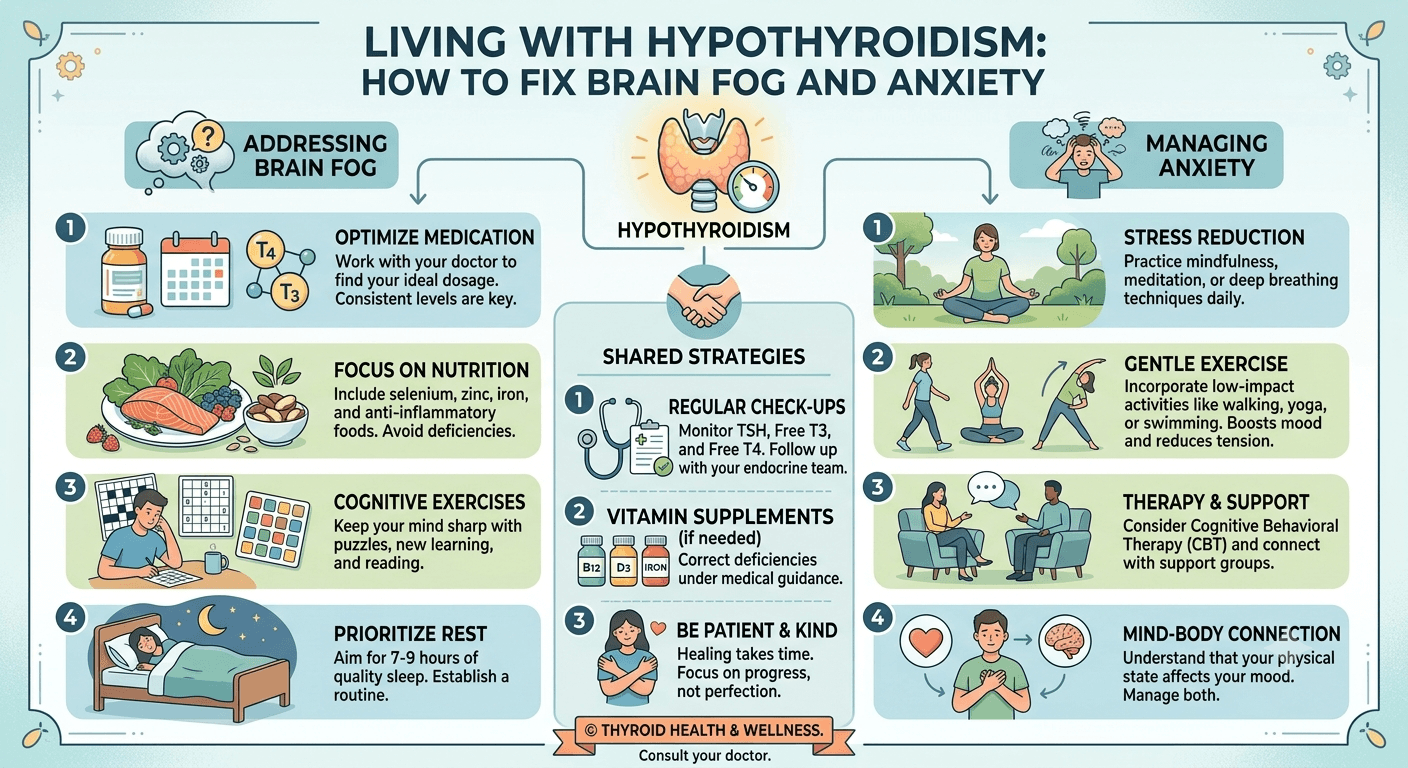
That’s correct, Hypothyroidism is indeed one of the most common endocrine disorders worldwide. While many people Living With Hypothyroidism recognize symptoms such as fatigue, weight gain, dry skin, and cold intolerance. The cognitive and emotional effects of hypothyroidism are often underestimated. Patients frequently describe feeling mentally foggy, forgetful, slow to process information, and unusually anxious. These symptoms can significantly affect quality of life, work performance, academic achievement, and relationships.

Living With Hypothyroidism: How to Fix Brain Fog and Anxiety a comprehensive guide for patients and medical students covering causes, diagnosis, treatment, lifestyle strategies, and the science behind thyroid-related cognitive and mood symptoms.

For patients, understanding why these symptoms occur can be reassuring. For medical students, understanding the underlying pathophysiology provides valuable insight into the complex relationship between thyroid hormones, brain function, and mental health.

This article explores the causes of brain fog and anxiety in hypothyroidism and discusses evidence-based strategies to improve cognitive function and emotional well-being.

Understanding Hypothyroidism

Hypothyroidism occurs when the thyroid gland does not produce sufficient thyroid hormones, primarily thyroxine (T4) and triiodothyronine (T3). These hormones regulate metabolism throughout the body, including the brain.

https://www.youtube.com/watch?v=JBvkueM7lpw

Common causes include:

  • Autoimmune thyroiditis (especially Hashimoto’s Thyroiditis)
  • Thyroid surgery
  • Radioactive iodine treatment
  • Certain medications
  • Congenital thyroid disorders
  • Iodine deficiency

Thyroid hormones play critical roles in:

  • Energy production
  • Neuronal signaling
  • Neurotransmitter regulation
  • Memory formation
  • Mood regulation
  • Cognitive processing speed

When hormone levels decline, brain function may be affected long before laboratory abnormalities become severe.

What Is Brain Fog?

Brain fog is not a formal medical diagnosis. Instead, it is a collection of cognitive symptoms that patients commonly report.

Typical symptoms include:

  • Difficulty concentrating
  • Forgetfulness
  • Slower thinking
  • Reduced mental clarity
  • Trouble finding words
  • Difficulty multitasking
  • Mental fatigue
  • Reduced productivity

Patients often describe it as feeling like their brain is running through mud.

For medical students, these symptoms reflect disruptions in attention, executive function, working memory, and information processing speed.

Why Does Hypothyroidism Cause Brain Fog?

1. Reduced Cerebral Metabolism

Thyroid hormones increase metabolic activity throughout the body, including the brain.

In hypothyroidism:

  • Neurons consume less energy
  • Glucose utilization decreases
  • Neural signaling slows
  • Cognitive processing becomes less efficient

Brain imaging studies have demonstrated reduced cerebral blood flow and metabolic activity in untreated hypothyroidism.

2. Neurotransmitter Changes

Thyroid hormones influence several neurotransmitter systems:

  • Serotonin
  • Dopamine
  • Norepinephrine
  • GABA

Reduced thyroid hormone levels can alter neurotransmitter production and receptor sensitivity, contributing to cognitive slowing and mood symptoms.

3. Sleep Disturbance

Many hypothyroid patients experience:

  • Excessive sleepiness
  • Poor sleep quality
  • Obstructive sleep apnea
  • Non-restorative sleep

Sleep disruption alone can significantly worsen cognitive function.

4. Inflammation and Autoimmunity

In autoimmune thyroid disease, inflammatory cytokines may impact brain function independently of thyroid hormone levels.

Some patients continue to report cognitive symptoms despite apparently normal laboratory results, suggesting that inflammation may contribute to persistent symptoms.

The Connection Between Hypothyroidism and Anxiety

Many people assume hypothyroidism causes only depression. However, anxiety is also common.

Symptoms may include:

  • Excessive worry
  • Irritability
  • Restlessness
  • Panic attacks
  • Social anxiety
  • Feeling overwhelmed

Studies suggest that thyroid dysfunction affects multiple brain regions involved in emotional regulation, including:

  • Amygdala
  • Hippocampus
  • Prefrontal cortex

These structures rely on normal thyroid hormone signaling for optimal function.

Why Anxiety Can Persist Even After Treatment

Some patients continue to experience anxiety despite achieving normal thyroid function tests.

Possible explanations include:

Residual Neurochemical Changes

The brain may require months to fully adapt after thyroid hormone levels normalize.

Coexisting Mental Health Conditions

Patients with hypothyroidism may also have:

  • Generalized anxiety disorder
  • Depression
  • Panic disorder
  • Health anxiety

These conditions often require separate treatment.

Lifestyle Factors

Persistent anxiety may be aggravated by:

  • Poor sleep
  • Chronic stress
  • Nutritional deficiencies
  • Sedentary behavior
  • Excessive caffeine consumption

The First Step: Optimize Thyroid Hormone Replacement

For most patients, effective treatment begins with appropriate thyroid hormone replacement.

The most commonly prescribed therapy is:

  • Levothyroxine

Key principles include:

  • Taking medication consistently
  • Taking it on an empty stomach
  • Avoiding interference from calcium or iron supplements
  • Monitoring thyroid function regularly

Medical students should remember that treatment targets are individualized. A laboratory value within the reference range does not always guarantee symptom resolution. Persistent symptoms warrant a comprehensive evaluation rather than automatic dose escalation

Addressing Common Nutritional Deficiencies

Several nutritional deficiencies can mimic or worsen brain fog and anxiety.

Iron Deficiency

Iron supports:

  • Oxygen transport
  • Dopamine production
  • Cognitive performance

Low ferritin levels may contribute to fatigue and poor concentration.

Vitamin B12 Deficiency

Deficiency may cause:

  • Memory problems
  • Cognitive slowing
  • Neuropathy
  • Mood disturbances

Vitamin D Deficiency

Low vitamin D levels have been associated with:

  • Depression
  • Anxiety
  • Fatigue

Selenium

Selenium participates in thyroid hormone metabolism and antioxidant defense.

Dietary sources include:

  • Brazil nuts
  • Seafood
  • Eggs

Supplementation should only be considered when clinically appropriate.

Improving Brain Fog Through Sleep Optimization

Sleep is one of the most powerful interventions for cognitive recovery.

Practical Strategies

  • Maintain a consistent sleep schedule
  • Avoid screens before bedtime
  • Limit caffeine in the afternoon
  • Keep the bedroom cool and dark
  • Evaluate for sleep apnea if symptoms suggest it

Many patients notice meaningful improvements in concentration after improving sleep quality.

Exercise: A Natural Brain Booster

Physical activity improves:

Recommended activities include:

Aerobic Exercise

Examples:

  • Walking
  • Cycling
  • Swimming
  • Jogging

Resistance Training

Strength training supports:

  • Metabolic health
  • Cognitive performance
  • Psychological well-being

Even 20–30 minutes of moderate activity most days can improve mental clarity.

Managing Anxiety Effectively

Cognitive Behavioral Therapy (CBT)

Cognitive Behavioral Therapy is among the most effective treatments for anxiety.

CBT helps patients:

  • Identify negative thought patterns
  • Reduce catastrophic thinking
  • Build coping skills
  • Improve resilience

Mindfulness and Meditation

Research suggests mindfulness practices can:

  • Reduce stress hormones
  • Improve emotional regulation
  • Enhance attention and focus

Even 10 minutes daily may provide measurable benefits.

Dietary Approaches for Better Cognitive Function

No special “thyroid diet” cures hypothyroidism, but healthy nutrition supports recovery.

Focus On

  • Lean proteins
  • Vegetables
  • Fruits
  • Whole grains
  • Healthy fats

Brain-Supportive Foods

Examples include:

  • Fatty fish
  • Nuts
  • Seeds
  • Olive oil
  • Berries

These foods provide nutrients that support neuronal function and reduce inflammation.

When Brain Fog Is Not Just Hypothyroidism

Persistent symptoms deserve further evaluation.

Possible alternative or additional causes include:

  • Sleep apnea
  • Depression
  • Anxiety disorders
  • ADHD
  • Anemia
  • Chronic fatigue syndrome
  • Medication side effects
  • Long COVID
  • Menopause
  • Vitamin deficiencies

Clinicians should avoid attributing every symptom solely to thyroid disease.

Special Considerations for Medical Students

Medical students frequently encounter patients who report symptoms despite “normal” laboratory results.

Important clinical lessons include:

Treat the Patient, Not Just the Lab Values

Laboratory normalization does not always equal symptom resolution.

Consider Comorbidities

Fatigue, cognitive dysfunction, and anxiety are multifactorial.

Avoid Premature Diagnostic Closure

Always maintain a broad differential diagnosis.

Listen to Patient Experiences

Subjective symptoms provide valuable clinical information that may not be reflected in laboratory tests alone.

Frequently Asked Questions (FAQs)

1. Can hypothyroidism cause severe brain fog?

Yes. Cognitive slowing, memory difficulties, and poor concentration are common manifestations of untreated hypothyroidism.

2. How long does it take for brain fog to improve after starting treatment?

Many patients improve within weeks, but complete recovery may take several months depending on severity and duration of disease.

3. Can anxiety occur with hypothyroidism?

Yes. Although depression is more commonly recognized, anxiety can also occur due to thyroid hormone effects on neurotransmitters and brain function.

4. Does increasing thyroid medication always fix brain fog?

No. Persistent symptoms may be related to sleep disorders, nutritional deficiencies, mental health conditions, or other medical problems.

5. Which vitamin deficiencies are commonly associated with hypothyroidism?

Iron, vitamin B12, and vitamin D deficiencies are frequently encountered and may contribute to fatigue and cognitive symptoms.

6. Is exercise safe for people with hypothyroidism?

In most cases, yes. Regular physical activity improves mood, cognition, cardiovascular health, and overall quality of life.

7. Can Hashimoto’s thyroiditis affect the brain directly?

Emerging evidence suggests that autoimmune activity and inflammatory pathways may contribute to cognitive symptoms in some individuals, though thyroid hormone deficiency remains the primary mechanism.

Conclusion

Living with hypothyroidism can be challenging, particularly when brain fog and anxiety interfere with daily life. Fortunately, these symptoms are often manageable with a comprehensive approach that includes optimized thyroid hormone replacement, adequate sleep, regular exercise, nutritional assessment, stress management, and treatment of coexisting medical or psychological conditions.

For patients, the key message is that persistent cognitive and emotional symptoms are real and deserve attention. For medical students, hypothyroidism offers an important example of how endocrine disorders can profoundly influence brain function and mental health. Understanding this connection allows clinicians to provide more holistic and effective care.

By addressing both the biochemical and lifestyle factors involved, many individuals with hypothyroidism can achieve substantial improvements in mental clarity, emotional stability, and overall quality of life.

Disclaimer: The information provided in this blog post is for educational and informational purposes only and should not be considered medical advice. It is not intended to replace professional medical consultation, diagnosis, or treatment. Always seek the guidance of a qualified healthcare professional regarding any medical condition or health-related concerns. The author and publisher are not responsible for any actions taken based on the information presented in this article.
Hidden Signs of Hypothyroidism

hypothyroidism

You Should Never Ignore

Introduction

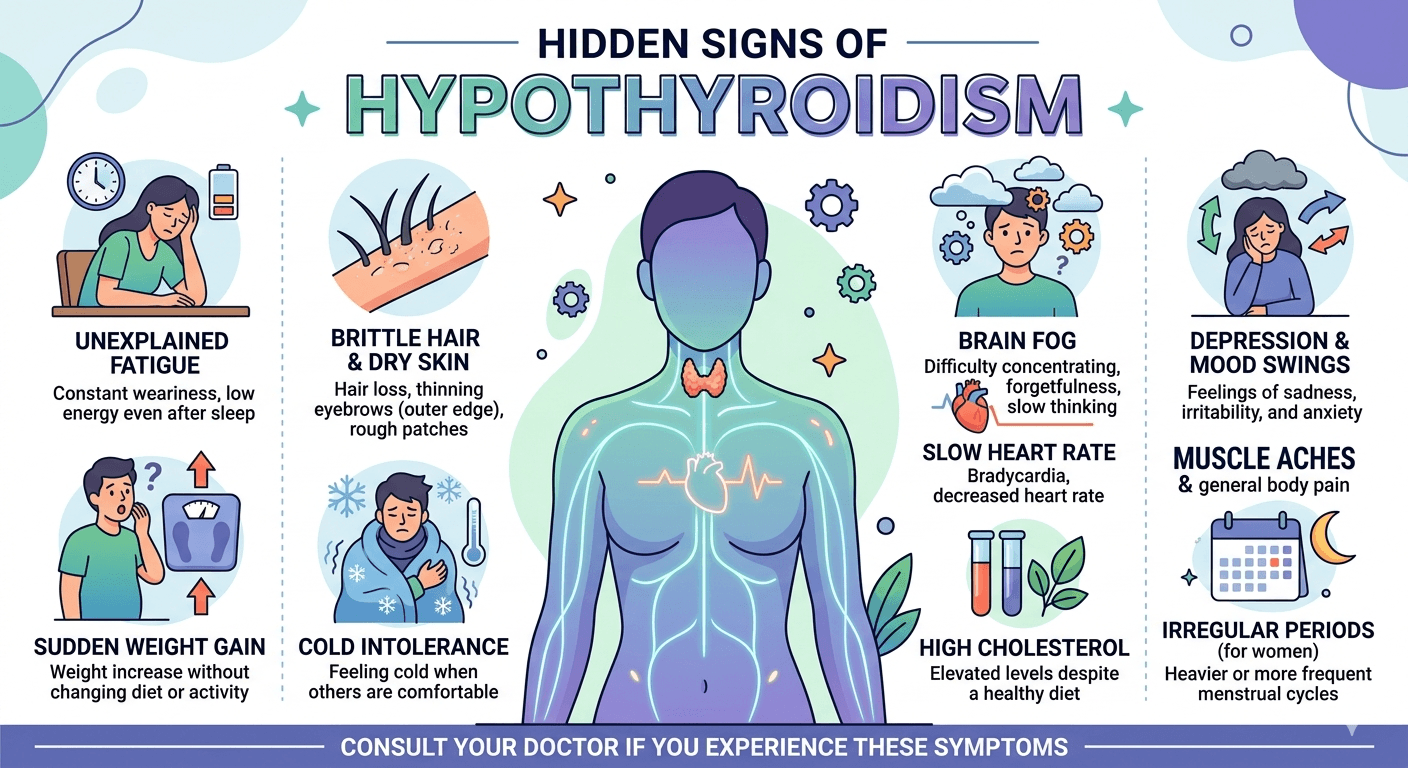
Hypothyroidism is among the most widespread endocrine conditions globally, but many individuals remain unaware they have it because symptoms often appear slowly and can seem unrelated. This disorder develops when the thyroid gland cannot produce sufficient thyroid hormones to support the body’s metabolic needs. The primary hormones involved thyroxine (T4) and triiodothyronine (T3) help regulate metabolism, energy levels, temperature, heart activity, digestion, brain performance, and numerous other body functions.

This guide explains hidden signs of hypothyroidism, along with its causes, underlying mechanisms, risk factors, diagnostic approaches, complications, and treatment options.

Since thyroid hormones impact nearly every organ system, hypothyroidism may cause a broad range of subtle symptoms that are frequently mistaken for aging, stress, depression, vitamin deficiencies, or other illnesses. Detecting these warning signs early is crucial because untreated hypothyroidism can eventually result in infertility, heart disease, nerve damage, severe depression, or even Myxedema coma.

Understanding the Thyroid Gland

The thyroid is a butterfly-shaped endocrine gland located at the front of the neck beneath the larynx. Its main role is producing two essential hormones:

  • Thyroxine (T4)
  • Triiodothyronine (T3)

Hormone production is controlled through the hypothalamic-pituitary-thyroid (HPT) axis involving:

  1. The hypothalamus
  2. The pituitary gland
  3. The thyroid gland

The pituitary releases thyroid-stimulating hormone (TSH), which signals the thyroid to produce T3 and T4. When thyroid hormone levels drop, TSH levels rise in an effort to stimulate the gland.

What Is Hypothyroidism?

Hypothyroidism occurs when the body does not produce enough thyroid hormones. It can be divided into several categories:

Primary Hypothyroidism

This form originates directly in the thyroid gland. Common causes include:

  • Hashimoto’s thyroiditis
  • Iodine deficiency
  • Thyroid removal surgery
  • Radioactive iodine treatment
  • Certain medications
  • Congenital thyroid abnormalities

Secondary Hypothyroidism

This type results from pituitary gland dysfunction, leading to reduced TSH production.

Tertiary Hypothyroidism

A rare condition caused by hypothalamic dysfunction.

How Hypothyroidism Affects the Body

Thyroid hormones help regulate metabolism and cellular energy production. In hypothyroidism:

  • Metabolism slows down
  • Protein synthesis decreases
  • Heat generation declines
  • Fat metabolism becomes impaired
  • Digestive movement slows
  • Nervous system activity decreases

Because these processes affect almost every organ system, symptoms can vary widely.

Hidden Signs of Hypothyroidism

1. Ongoing Fatigue Despite Rest

Persistent exhaustion is one of the earliest and most common symptoms. Individuals may:

  • Feel drained after routine tasks
  • Wake up tired even after sleeping well
  • Have low endurance
  • Need frequent daytime naps

      Low thyroid hormone levels reduce energy production at the cellular level.

2. Unexplained Weight Gain

Even mild thyroid dysfunction can lead to gradual weight increase. Common complaints include:

  • Trouble losing weight
  • Weight gain despite normal eating habits
  • Puffiness and fluid retention

   A slower metabolism reduces calorie burning, while fluid retention contributes to             swelling

3. Sensitivity to Cold

People with hypothyroidism often feel cold more easily than others. Signs include:

  • Cold hands and feet
  • Poor tolerance to cold weather
  • Frequent need for extra layers

      Reduced thyroid hormone lowers heat production in the body.

4. Dry Skin and Fragile Hair

Changes involving the skin and hair are frequently overlooked. Symptoms may include:

  • Rough or dry skin
  • Cracked heels
  • Hair thinning or loss
  • Brittle nails
  • Loss of eyebrow hair

 Reduced oil gland activity and impaired protein production contribute to these problems.

5. Puffy Face and Swelling

Facial swelling, especially around the eyes, may indicate hypothyroidism. Patients may develop:

  • Puffy eyelids
  • Facial swelling
  • Enlarged tongue
  • Hoarse voice

  Fluid-like substances accumulate in tissues, producing non-pitting swelling called Myxedema

6. Constipation

Persistent constipation can be an early sign. Symptoms include:

  • Infrequent bowel movements
  • Hard stools
  • Abdominal bloating

   Thyroid hormone deficiency slows intestinal movement.

7. Depression and Mood Changes

Hypothyroidism commonly affects emotional health. Individuals may experience:

  • Depression
  • Irritability
  • Anxiety
  • Lack of motivation
  • Emotional numbness

     Thyroid hormones help regulate neurotransmitters and brain metabolism.

8. Memory Issues and Brain Fog

Cognitive symptoms are often missed. Patients may report:

  • Difficulty concentrating
  • Forgetfulness
  • Slower thinking
  • Trouble learning new information

     Reduced brain metabolism and blood flow may impair cognitive performance.

9. Menstrual and Fertility Problems

Women with hypothyroidism may develop:

  • Heavy periods
  • Irregular menstrual cycles
  • Difficulty conceiving
  • Recurrent miscarriages

     Thyroid hormones influence ovulation and reproductive hormone balance.

10. High Cholesterol Levels

Some individuals discover hypothyroidism during routine cholesterol testing. Findings may include:

  • Elevated LDL cholesterol
  • Increased triglycerides

     Thyroid dysfunction interferes with normal fat metabolism.

11. Slower Heart Rate

A low resting pulse may occur, leading to:

  • Reduced exercise tolerance
  • Fatigue during activity
  • Dizziness

   Thyroid hormones normally help maintain heart rate and cardiac output.

12. Muscle Weakness and Joint Pain

Musculoskeletal symptoms are common and may include:

  • Muscle cramps
  • Stiffness
  • Joint discomfort
  • Weakness
  • Delayed reflexes

    Abnormal muscle metabolism and tissue swelling contribute to these symptoms.

13. Hoarseness

A gradually deepening or hoarse voice may develop due to:

  • Swelling of the vocal cords
  • Enlarged tongue
  • Tissue edema

14. Carpal Tunnel Syndrome

Hypothyroidism can place pressure on nerves, causing:

  • Tingling
  • Numbness
  • Wrist pain
  • Weak grip strength

15. Sleep Problems

Despite constant fatigue, individuals may still experience:

  • Poor sleep quality
  • Excessive sleepiness
  • Obstructive sleep apnea

        Swelling of tissues and weakened respiratory muscles may contribute.

16. Reduced Sweating

Patients may notice:

  • Dry body skin
  • Minimal perspiration
  • Occasional heat intolerance
  • This occurs because gland activity decreases.

17. Hearing Difficulties

Untreated hypothyroidism may contribute to:

  • Hearing loss
  • Ear fullness
  • Balance problems

18. Delayed Reflexes

One classic clinical sign is slow relaxation of deep tendon reflexes, particularly in the ankle.

Common Causes of Hypothyroidism

Hashimoto’s Thyroiditis

The most common cause in regions with adequate iodine intake. The immune system gradually damages thyroid tissue.

Iodine Deficiency

Still a major cause worldwide.

Thyroid Surgery

Removing part or all of the thyroid reduces hormone production.

Radioactive Iodine Therapy

Often used to treat hyperthyroidism or thyroid cancer.

Medications

Some drugs interfere with thyroid function, including:

  • Lithium
  • Amiodarone
  • Interferon-alpha
  • Certain immunotherapy medications

Congenital Hypothyroidism

Present from birth due to an underdeveloped or absent thyroid gland.

Pituitary Disorders

Pituitary tumors or injury may reduce TSH production.

Risk Factors

Higher-risk groups include:

  • Women
  • Adults over 60
  • Individuals with autoimmune disease
  • People with a family history of thyroid disorders
  • Patients with prior thyroid surgery
  • Those exposed to radiation
  • Pregnant or postpartum women
  • Individuals with iodine deficiency

Diagnosis of Hypothyroidism

Clinical Examination

Doctors evaluate symptoms and perform a physical exam. Common findings include:

  • Dry skin
  • Slow heart rate
  • Weight gain
  • Delayed reflexes
  • Puffy face

Laboratory Tests

Thyroid Profile (T3, T4, TSH, FREET3, FREET4)

Thyroid Antibodies

Anti-TPO antibodies help diagnose Hashimoto’s thyroiditis.

Additional Evaluations

Depending on symptoms, physicians may order:

  • Lipid profile
  • Complete blood count
  • Liver tests
  • Electrolyte studies
  • ECG

Subclinical Hypothyroidism

This condition involves:

  • Elevated TSH
  • Normal free T4

Patients may still experience mild symptoms. Treatment decisions depend on TSH levels, age, pregnancy status, symptom severity, and cardiovascular risk.

Complications of Untreated Hypothyroidism

Heart Disease

Potential complications include:

  • High cholesterol
  • Hypertension
  • Heart failure
  • Atherosclerosis

Infertility

Hormonal imbalance may impair ovulation.

Peripheral Neuropathy

Chronic nerve dysfunction can damage peripheral nerves.

Mental Health Disorders

Severe depression and cognitive decline may develop.

Myxedema Coma

A rare but life-threatening emergency involving:

  • Severe hypothermia
  • Confusion
  • Respiratory depression
  • Low blood pressure

Immediate intensive care is required.

Treatment of Hypothyroidism

Levothyroxine

Synthetic T4 is the standard treatment.

Treatment Goals

  • Normalize TSH levels
  • Relieve symptoms
  • Restore metabolism
  • Prevent complications

Medication Tips

Patients should:

  • Take Levothyroxine on an empty stomach
  • Use it at the same time daily
  • Avoid calcium or iron supplements within four hours

Monitoring

TSH levels are generally checked:

  • 6–8 weeks after dose changes
  • Every 6–12 months once stable

Dose requirements may change because of aging, pregnancy, weight changes, or medication interactions.

Lifestyle and Dietary Considerations

Adequate Iodine Intake

Healthy sources include:

  • Iodized salt
  • Dairy products
  • Seafood
  • Eggs

Excess iodine should also be avoided.

Selenium and Zinc

These nutrients support thyroid health. Sources include:

  • Nuts
  • Seeds
  • Legumes
  • Meat

Exercise

Regular physical activity can:

  • Improve energy levels
  • Support metabolism
  • Maintain healthy weight
  • Enhance mood

Stress Management

Helpful strategies include:

  • Meditation
  • Yoga
  • Proper sleep
  • Counseling when needed

Hypothyroidism in Special Populations

Pregnancy

Untreated hypothyroidism may increase the risk of:

  • Miscarriage
  • Preeclampsia
  • Premature delivery
  • Developmental issues in the baby

Close monitoring is essential during pregnancy.

Older Adults

Symptoms may resemble aging or dementia, including:

  • Memory loss
  • Weakness
  • Depression
  • Falls

Children and Adolescents

Hypothyroidism may cause:

  • Growth delays
  • Poor academic performance
  • Delayed puberty

Early diagnosis is extremely important.

When to Seek Medical Attention

Consult a healthcare provider if you experience:

  • Persistent fatigue
  • Weight gain without explanation
  • Cold intolerance
  • Hair loss
  • Constipation
  • Depression
  • Menstrual changes
  • Swelling of the face or neck

Emergency care is necessary for:

  • Severe lethargy
  • Confusion
  • Difficulty breathing
  • Hypothermia
  • Loss of consciousness

Key Clinical Points

  • Hypothyroidism affects nearly every organ system.
  • Symptoms often appear slowly and may seem unrelated.
  • Elevated TSH is the hallmark of primary hypothyroidism.
  • Hashimoto’s thyroiditis is the leading cause in developed countries.
  • Delayed reflex relaxation is a classic sign.
  • High cholesterol may result from thyroid dysfunction.
  • Thyroid testing should be considered in unexplained fatigue or depression.
  • Levothyroxine remains the standard therapy.
  • Myxedema coma is a medical emergency.

Prognosis

With timely diagnosis and proper treatment, the outlook for hypothyroidism is generally excellent. Most patients experience:

  • Better energy levels
  • Improved mood
  • Normalized metabolism
  • Enhanced quality of life

Delayed treatment, however, can lead to lasting complications.

Conclusion

Hypothyroidism is a common but often overlooked endocrine disorder because its symptoms may develop gradually and appear unrelated. Hidden signs such as fatigue, depression, constipation, hair loss, menstrual irregularities, high cholesterol, memory problems, and sensitivity to cold should not be ignored.

Early diagnosis and proper management are essential to prevent serious complications and improve overall well-being. With effective treatment, healthy lifestyle habits, and regular monitoring, most individuals with hypothyroidism can live healthy and productive lives.

Disclaimer: The information provided in this blog post is for educational and informational purposes only and should not be considered medical advice. It is not intended to replace professional medical consultation, diagnosis, or treatment. Always seek the guidance of a qualified healthcare professional regarding any medical condition or health-related concerns. The author and publisher are not responsible for any actions taken based on the information presented in this article.
Diabetic Ketoacidosis (DKA): Detailed Summary

Understanding diabetic ketoacidosis its causes, common symptoms, key treatment steps.

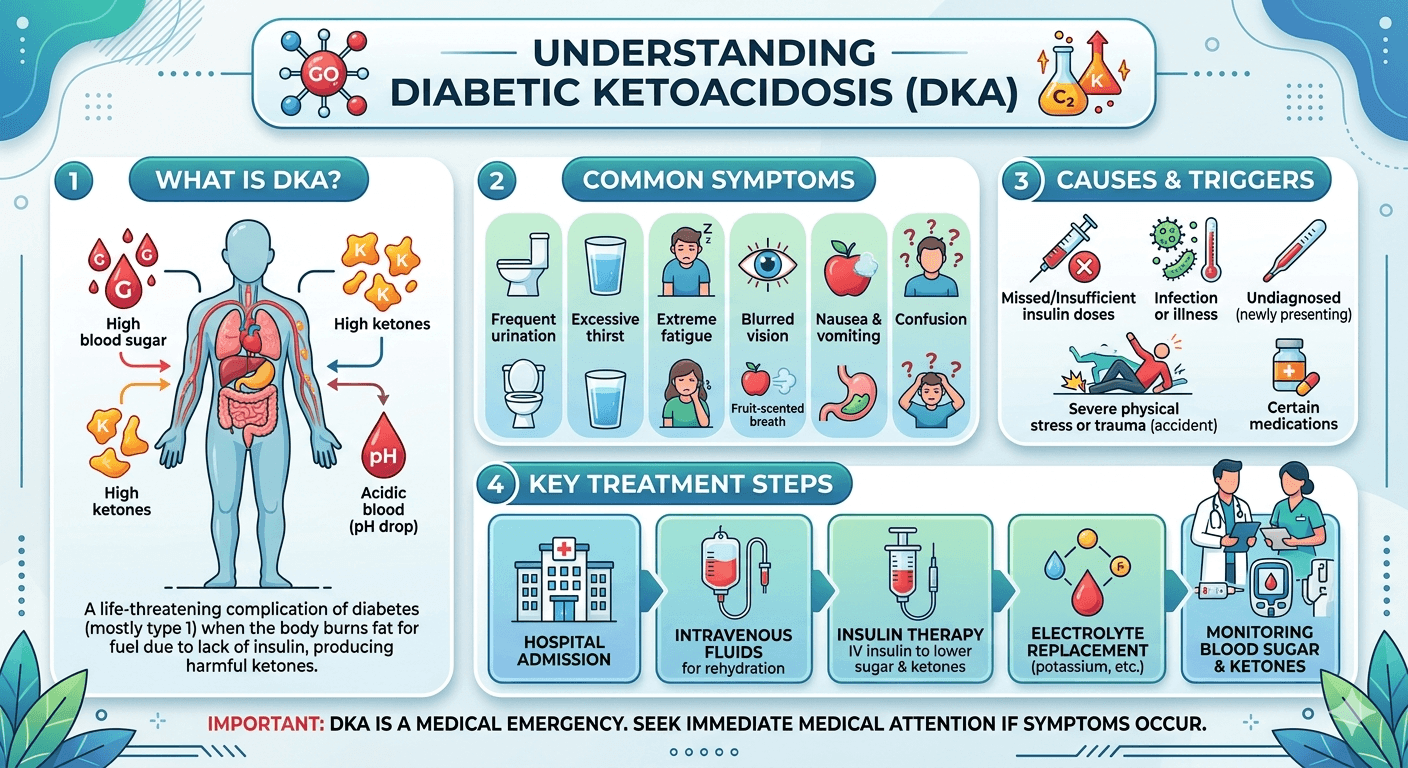
Diabetic ketoacidosis (DKA) is a severe and potentially fatal complication of diabetes caused by a lack of insulin along with increased levels of counter-regulatory hormones such as glucagon, cortisol, catecholamines, and growth hormone. These hormonal imbalances result in high blood glucose levels, ketone formation, and metabolic acidosis.

Pathophysiology

DKA is an acute metabolic emergency most commonly associated with type 1 diabetes, although it may also develop in individuals with type 2 diabetes during periods of significant stress or illness. It occurs due to either absolute or relative insulin deficiency combined with elevated counter-regulatory hormones.

Mechanism

  • Inadequate insulin prevents glucose from entering muscle and fat cells while simultaneously stimulating glucose production in the liver through gluconeogenesis and glycogen breakdown, leading to marked hyperglycemia.
  • Reduced insulin and elevated stress hormones trigger lipolysis, releasing free fatty acids into the bloodstream.
  • The liver converts these fatty acids into ketone bodies, including acetoacetate, β-hydroxybutyrate, and acetone, through ketogenesis.
  • Excess ketone accumulation causes metabolic acidosis.
  • Elevated glucose levels produce osmotic diuresis, resulting in dehydration, electrolyte depletion particularly potassium loss and impaired kidney perfusion, all of which aggravate acidosis and hyperglycemia.

The defining features of DKA are hyperglycemia, ketosis, and metabolic acidosis. Metabolic Dysfunction.

Causes

DKA commonly develops when factors either increase insulin requirements or reduce insulin availability. Major causes include:

Poor Insulin Management

  • Missing insulin injections or insulin pump failure.
  • Insufficient adjustment of insulin during illness or stressful conditions.

b. Infections

  • The leading precipitating factor for DKA.
  • Frequently associated infections include pneumonia, urinary tract infections, and sepsis.
  • Inflammatory responses during infection increase stress hormones and worsen insulin resistance.

c. Newly Diagnosed Diabetes.

  • DKA may be the first indication of previously undiagnosed type 1 diabetes.

d. Other Triggers.

  • Acute medical conditions such as myocardial infarction, stroke, or pancreatitis.
  • Emotional or physical stress.
  • Medications including corticosteroids, thiazide diuretics, sympathomimetics, and SGLT2 inhibitors.

Clinical Manifestations

symptoms of Diabetic ketoacidosis (DKA)

Diabetic ketoacidosis (DKA) is a serious and potentially life-threatening complication of diabetes that occurs when the body lacks sufficient insulin and begins breaking down fat for energy, leading to the accumulation of acidic ketone bodies in the blood.

Common symptoms of DKA include:

  • Excessive thirst (polydipsia) and frequent urination (polyuria) due to high blood glucose levels.
  • Dry mouth and signs of dehydration.
  • Nausea, vomiting, and abdominal pain, which may be severe.
  • Fatigue, weakness, and lethargy.
  • Unexplained weight loss over a short period.
  • Rapid, deep breathing (Kussmaul respiration) as the body attempts to correct acidosis.
  • Fruity or acetone-like breath odor caused by ketone production.
  • Blurred vision.
  • Confusion, drowsiness, or altered mental status, especially in severe cases.
  • In advanced DKA, loss of consciousness or coma may occur.

DKA requires urgent medical attention. Early recognition and prompt treatment with fluids, insulin, and electrolyte replacement are essential to prevent serious complications and death.

    Advanced Symptoms

    • Nausea and vomiting due to ketosis and acidosis.
    • Abdominal pain, especially common in children.
    • Fruity-smelling breath caused by acetone exhalation.
    • Kussmaul respirations, characterized by deep and labored breathing as compensation for metabolic acidosis.

    Signs of dehydration such as dry mucous membranes, reduced skin turgor, hypotension, and tachycardia

    Neurological Changes

    Altered consciousness ranging from confusion to coma in severe cases.

    Management

    Successful treatment of DKA requires immediate correction of metabolic disturbances and identification of the underlying trigger.

    Initial Evaluation

    Diagnosis is confirmed through laboratory findings such as:

    • Blood glucose greater than 250 mg/dL.
    • Arterial pH below 7.3.
    • Serum bicarbonate less than 18 mEq/L.
    • Presence of ketones in blood or urine.

    Healthcare providers should also assess hydration status, mental state, vital signs, and possible precipitating factors.

    Fluid Replacement

    • Treatment begins with intravenous 0.9% normal saline at 15–20 mL/kg during the first hour.
    • Further fluid therapy depends on hemodynamic status, sodium levels, and urine output.
    • When glucose levels fall below 200 mg/dL, dextrose-containing fluids are added to prevent hypoglycemia while insulin therapy continues.

    Insulin Administration

    • Continuous regular insulin infusion at 0.1 units/kg/hour is started after initial fluid replacement.
    • Initial insulin boluses are generally avoided to reduce the risk of rapid osmotic shifts.
    • Insulin therapy continues until acidosis resolves and the anion gap normalizes.

    Electrolyte Correction

    • Potassium replacement is essential:
    • If potassium is below 3.3 mEq/L, insulin should be delayed until potassium is corrected.
    • If potassium is between 3.3 and 5.0 mEq/L, potassium is added to IV fluids.
    • If potassium exceeds 5.0 mEq/L, supplementation is withheld but closely monitored.
    • Bicarbonate therapy is usually reserved for severe acidosis with pH below 6.9.

    Ongoing Monitoring

    • Hourly glucose monitoring.
    • Frequent checks of electrolytes, venous pH, and anion gap every 2–4 hours.
    • Continuous cardiac monitoring to detect arrhythmias related to potassium imbalance.

    Treating the Underlying Cause

    Any precipitating condition such as infection, medication-related issues, or stress must be identified and appropriately managed.

    Transition to Subcutaneous Insulin

    After DKA resolves and oral intake resumes, IV insulin should overlap with subcutaneous insulin administration for 1–2 hours to prevent rebound hyperglycemia.

    Prevention and Education

    Patients should receive education on:

    • Adherence to insulin therapy.
    • Sick-day management.
    • Monitoring blood glucose and ketones.
    • Recognizing early warning signs and seeking timely medical care.

    General Dietary Guidelines

    Foods to Include

    • Complex carbohydrates: whole grains, oats, brown rice, sweet potatoes
    • Lean proteins: chicken, fish, eggs, tofu, legumes
    • Healthy fats: avocado, olive oil, nuts, seeds
    • High-fiber vegetables: spinach, broccoli, cucumber, carrots
    • Low-sugar fruits: berries, apples, pears
    • Plenty of water and electrolyte-rich fluids

    Foods to Avoid

    • Sugary drinks and desserts
    • Refined carbohydrates (white bread, pastries)
    • Fried and processed foods
    • Excess salt and saturated fats
    • Alcohol and energy drinks

    Conclusion

    DKA is a medical emergency characterized by hyperglycemia, ketosis, and metabolic acidosis resulting from insulin deficiency and elevated stress hormones. Common triggers include infection, missed insulin therapy, acute illness, and certain medications. Early recognition and prompt treatment with IV fluids, insulin, electrolyte correction, and management of the underlying cause are essential for recovery. With proper diabetes management, patient education, and adherence to treatment, DKA is largely preventable. Proper nutrition, along with insulin adherence and glucose monitoring, plays an important role in preventing recurrent diabetic ketoacidosis and maintaining stable blood sugar levels.

    Disclaimer: The information provided in this blog post is for educational and informational purposes only and should not be considered medical advice. It is not intended to replace professional medical consultation, diagnosis, or treatment. Always seek the guidance of a qualified healthcare professional regarding any medical condition or health-related concerns. The author and publisher are not responsible for any actions taken based on the information presented in this article.
    Insulin Resistance: Causes, Symptoms, Diagnosis & Treatment

    Understanding insulin resistance, its causes, impact on the body, sign & symptoms

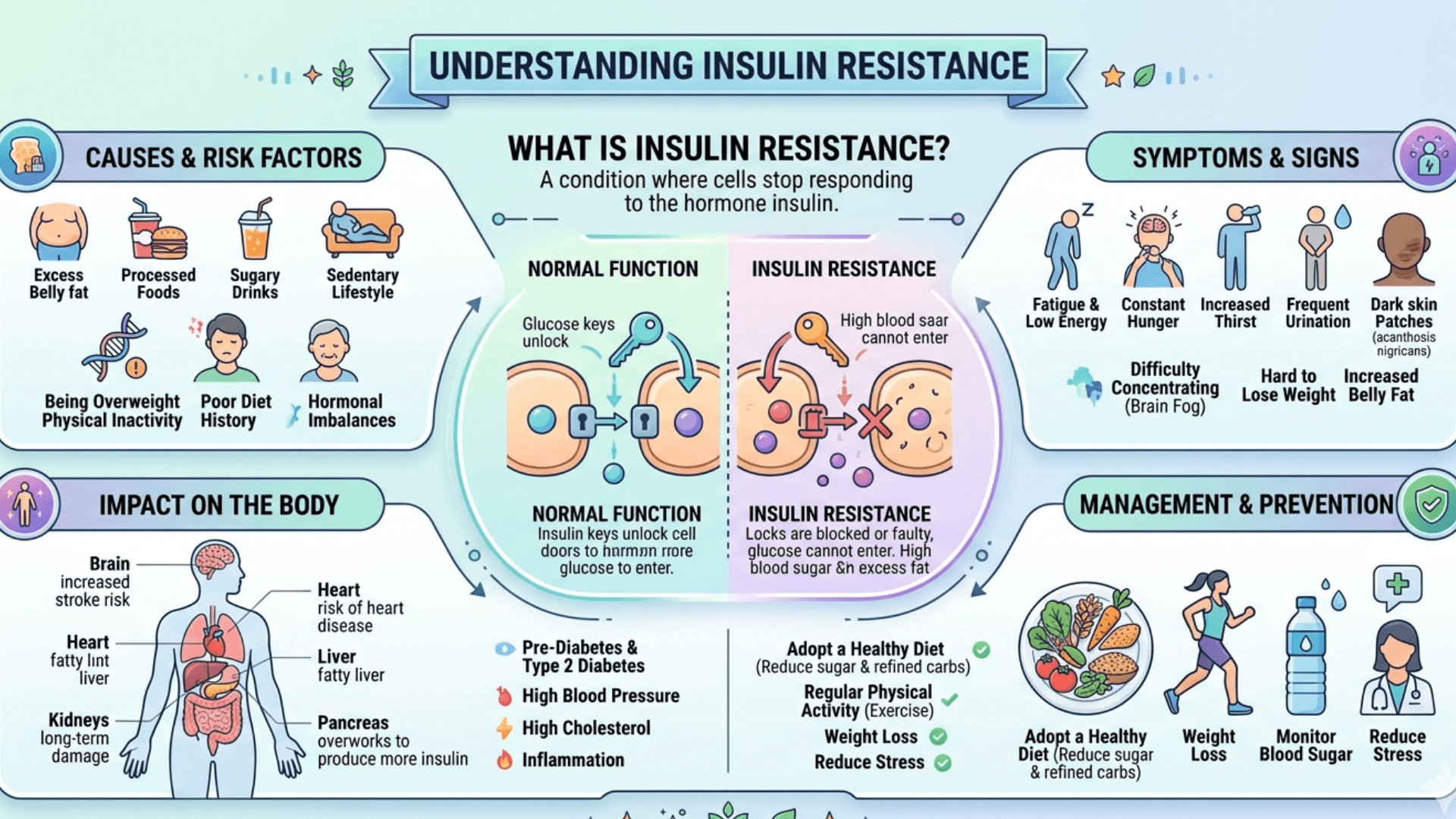
    Insulin resistance is a key factor behind many metabolic problems, including type 2 diabetes, obesity, and fatty liver disease. Here’s a clear breakdown of what happens in the body, what causes it, and how it’s managed.

    Pathophysiology What’s Happening Inside the Body

    Insulin resistance means your body’s cells especially in your muscles, liver, and fat don’t respond as well to insulin as they should. Because of that, your body needs to make more insulin to keep blood sugar levels normal.

    Normally, insulin helps move glucose (sugar) into cells for energy and tells the liver to slow down glucose production. When this process breaks down, muscles take up less glucose, fat tissue releases more fatty acids, and the liver keeps pumping out sugar all leading to higher blood glucose and insulin levels.

    What causes this breakdown in signaling?

    • Damaged insulin signaling pathways. The key proteins involved in the insulin pathway stop working efficiently, blocking normal glucose uptake.
    • Fat buildup in the wrong places. When fat accumulates in the liver or muscles (not just under the skin), it interferes with insulin’s action a process called Lipotoxicity.
    • Mitochondrial issues. These “power plants” of the cell may not produce energy effectively, further impairing how the body handles glucose and fat.
    • Chronic inflammation. Stressed fat tissue releases inflammatory chemicals (like TNF-α and IL-6) and attracts immune cells, which worsen insulin resistance throughout the body.

    How it affects different organs

    • Muscles: They use most of the glucose after a meal. With insulin resistance, they can’t take up enough sugar, so blood glucose rises.
    • Liver: Insulin normally stops the liver from making glucose. When the liver becomes resistant, it overproduces glucose and stores more fat, creating a cycle of worsening insulin resistance.
    • Fat tissue: Unhealthy fat cells leak fatty acids into the bloodstream and send inflammatory signals that disrupt insulin’s work in other tissues.

    What Causes Insulin Resistance

    There’s rarely just one cause. It’s usually a mix of lifestyle, genetics, and hormonal factors.

    1. Excess belly fat
      Visceral (deep abdominal) fat is the biggest modifiable risk factor. It’s metabolically active and releases inflammatory compounds that interfere with insulin action.
    2. Inactivity and low muscle mass
      Exercise boosts insulin sensitivity by improving how muscles use glucose. A sedentary lifestyle does the opposite.
    3. Unhealthy diet
      Diets high in refined carbs, added sugars, and saturated fats promote weight gain and fat buildup in the liver and muscles.
    4. Genetics
      Some people are more prone to insulin resistance, especially when combined with weight gain or poor diet.
    5. Hormonal or medical conditions
      Disorders like PCOS, Cushing’s syndrome, hypothyroidism, or acromegaly can worsen insulin resistance. Certain medications such as steroids or some antipsychotics can also play a role.
    6. Aging
      With age, muscle mass tends to decline while belly fat increases. Both reduce insulin sensitivity.
    7. Sleep problems and stress
      Chronic stress and poor sleep raise cortisol and other hormones that make the body less responsive to insulin.
    8. Other metabolic issues
      Conditions like fatty liver disease and abnormal cholesterol often go hand-in-hand with insulin resistance and make it worse.

    How It’s Managed

    The goal is to improve how the body responds to insulin, lower blood sugar levels, and prevent diabetes or related complications. Management involves lifestyle changes first, then medication if needed.

    Lifestyle Changes (the Foundation)

    1. Weight loss
      Losing even 5–10% of your body weight can significantly improve insulin sensitivity.
    2. Exercise
      Combine cardio (like brisk walking, swimming, or cycling) with strength training. Aim for at least 150 minutes of moderate activity a week, plus resistance exercises twice a week.
    3. Healthy eating
      Focus on whole, unprocessed foods. A Mediterranean-style diet — rich in vegetables, lean proteins, whole grains, and healthy fats has strong evidence for improving metabolic health.
    4. Sleep and habits
      Get enough quality sleep, limit alcohol, and avoid smoking. All three affect how the body regulates glucose and insulin.

    Medications (When Needed)

    If lifestyle changes aren’t enough, medications can help improve insulin sensitivity or control blood sugar.

    1. Metformin
      Often the first choice. It reduces sugar production in the liver and slightly improves insulin sensitivity.
    2. Thiazolidinediones (e.g., pioglitazone)
      These drugs help fat cells work better and shift fat storage away from the liver and muscles. They’re effective but can cause weight gain or fluid retention.
    3. GLP-1 receptor agonists (e.g., semaglutide, liraglutide)
      These medications help with blood sugar control and appetite, often leading to significant weight loss which further improves insulin resistance.
    4. Other medications
    5. SGLT2 inhibitors help the body excrete extra glucose through urine and improve heart and kidney health.
    6. DPP-4 inhibitors modestly lower blood sugar without weight gain.

    Medication choice depends on the person’s blood sugar, weight goals, other health issues, and preferences.

    When to Start Medication

    For people with prediabetes, lifestyle change comes first. Metformin is considered if those changes aren’t enough especially in people with a high BMI, younger age, or a history of gestational diabetes.

    Monitoring Progress

    Doctors usually track weight, waist size, blood pressure, fasting glucose, HbA1c, and cholesterol. Follow-ups are done every 3–12 months depending on the situation. Regular feedback and structured programs make lifestyle changes more sustainable.

    Summary

    • Insulin resistance means the body’s cells don’t respond properly to insulin, mainly due to fat buildup, inflammation, and energy imbalance.
    • Belly fat and inactivity are the biggest modifiable causes.
    • Weight loss and regular exercise remain the most powerful ways to reverse insulin resistance.
    • Medications like Metformin or GLP-1 agonists can help when lifestyle measures alone aren’t enough.

    Disclaimer: The information provided in this blog post is for educational and informational purposes only and should not be considered medical advice. It is not intended to replace professional medical consultation, diagnosis, or treatment. Always seek the guidance of a qualified healthcare professional regarding any medical condition or health-related concerns. The author and publisher are not responsible for any actions taken based on the information presented in this article.
    Diabetic Neuropathy: Causes, Symptoms and Treatments

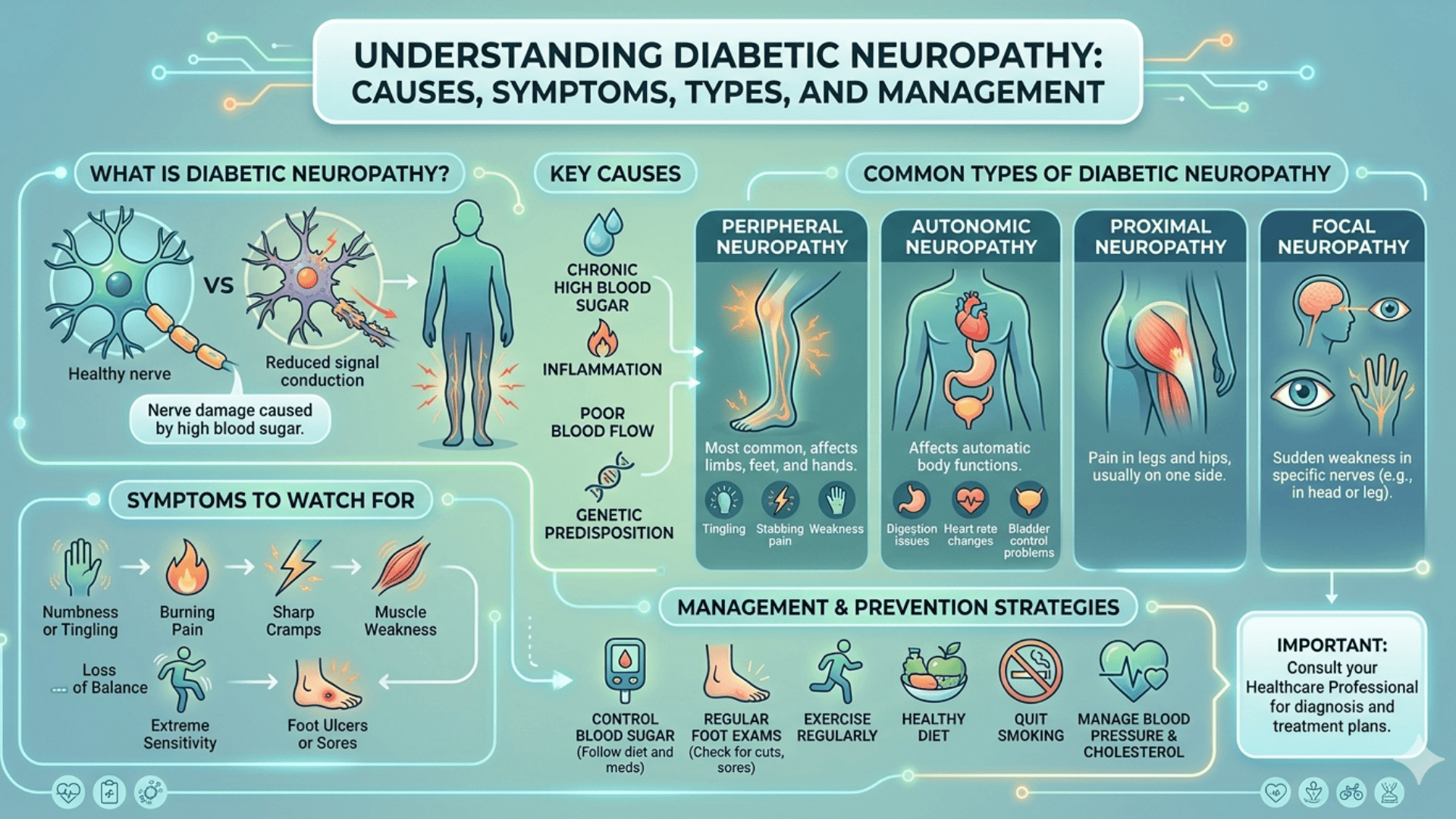
    Understanding diabetic neuropathy its causes, symptoms, types, and management

    Diabetic neuropathy refers to nerve damage that occurs as a complication of diabetes, often due to long-term high blood sugar levels. It commonly affects peripheral nerves, resulting in symptoms like pain, tingling, numbness, and weakness, starting in the feet and hands. If untreated, it can lead to serious complications, such as infections, ulcers, or amputations. However, with proper care, the condition can be managed effectively.

    Types of Diabetic Neuropathy

    There are four primary forms of diabetic neuropathy:

    Peripheral Neuropathy: This is the most common type, affecting the feet, legs, hands, and arms. It causes symptoms like tingling, numbness, and pain.

    Autonomic Neuropathy: This impacts the nerves controlling involuntary body functions, such as heart rate and digestion. It can result in digestive issues, dizziness, and urinary problems.

    Proximal Neuropathy: Also known as diabetic amyotrophy, this type causes pain and muscle weakness in the thighs, hips, or buttocks, usually on one side.

    Focal Neuropathy: This involves sudden pain or weakness in specific nerves, often in the eyes or face, and tends to improve over time.

    Causes of Diabetic Neuropathy

    The primary factor behind diabetic neuropathy is high blood glucose levels, which damage blood vessels that nourish the nerves, leading to nerve dysfunction. Several contributing factors include:

    Chronic High Blood Sugar: Consistently elevated blood sugar levels cause harmful substances to accumulate, damaging nerve fibers.

    Inflammation: Ongoing inflammation due to diabetes can contribute to nerve damage.

    Poor Circulation: Reduced blood flow due to high blood sugar levels deprives nerves of essential nutrients and oxygen.

    Genetics: Some individuals may be more prone to developing neuropathy due to genetic factors.

    Duration of Diabetes: The longer someone has diabetes, the higher their risk of developing neuropathy, especially if their blood sugar levels have been poorly managed.

    Symptoms of Diabetic Neuropathy

    The symptoms of diabetic neuropathy vary, but they commonly include:

    Tingling or numbness in the hands, feet, or legs

    Sharp or burning pain

    Increased sensitivity to touch

    Muscle weakness and poor coordination, especially in the feet and hands

    Digestive problems such as nausea, constipation, and diarrhea (in autonomic neuropathy)

    Urinary issues like incontinence or difficulty emptying the bladder

    Dizziness or fainting due to low blood pressure upon standing

    Managing Diabetic Neuropathy

    Managing diabetic neuropathy involves controlling blood sugar levels and addressing symptoms to prevent further nerve damage. Key strategies include:

    Blood Sugar Control: Keeping blood sugar within the target range through diet, exercise, and medication is crucial in preventing further nerve damage.

    Pain Management: Medications like anti-seizure drugs (gabapentin) or antidepressants (amitriptyline) can help control pain and discomfort caused by nerve damage.

    Physical Therapy: Physical therapy can improve strength and balance, particularly in cases of muscle weakness or coordination issues.

    Foot Care: Regular foot inspections are vital, as nerve damage can prevent pain sensation, leading to unnoticed injuries and infections.

    Lifestyle Adjustments: A balanced diet, regular physical activity, quitting smoking, and managing blood pressure and cholesterol are all essential for controlling the condition.

    Surgical Options: In some cases, surgery may be needed to address specific issues caused by neuropathy, such as a compressed nerve.

    Routine Monitoring: Regular doctor visits, blood tests, and foot exams are important for tracking the progression of the condition.

    Precautions in Diabetic Neuropathy

    Diabetic neuropathy is a nerve damage complication caused by prolonged high blood sugar levels. Proper precautions can help slow progression, reduce symptoms, and prevent serious complications.

    Important Precautions

    • Maintain good blood sugar control through regular monitoring and proper medication use.
    • Inspect feet daily for cuts, blisters, redness, swelling, or ulcers.
    • Wear comfortable, well-fitted footwear to avoid foot injuries.
    • Avoid walking barefoot, even inside the house.
    • Keep feet clean and moisturized, but avoid excess moisture between toes.
    • Trim toenails carefully to prevent infections.
    • Stop smoking and limit alcohol intake, as both worsen nerve damage and circulation.
    • Exercise regularly to improve blood flow and nerve health.
    • Maintain a healthy body weight.
    • Attend regular medical checkups for blood sugar, kidney function, eye health, and nerve assessment.
    • Avoid exposure to extreme heat or cold because reduced sensation may increase the risk of burns or injuries.

    Diet Plan for Diabetic Neuropathy

    A balanced diet helps control blood glucose levels and supports nerve function.

    Foods to Include

    • Whole grains such as oats, brown rice, quinoa, and whole wheat
    • High-fiber vegetables like spinach, broccoli, carrots, and beans
    • Fresh fruits in moderate portions, especially berries, apples, and guava
    • Lean proteins including fish, eggs, chicken, tofu, and legumes
    • Healthy fats from nuts, seeds, olive oil, and avocado
    • Low-fat dairy products
    • Foods rich in vitamin B12, vitamin D, magnesium, and omega-3 fatty acids

    Foods to Avoid

    • Sugary drinks and sweets
    • Refined carbohydrates such as white bread and pastries
    • Fried and processed foods
    • Excess salt and packaged snacks
    • Alcohol and smoking
    • High-fat fast foods

    Conclusion

    Diabetic neuropathy is a serious condition that can lead to significant complications if not managed properly. Early detection and good blood sugar control are crucial for slowing its progression. With the right treatment plan and regular monitoring, those affected can manage their symptoms and maintain a better quality of life. A healthy diet combined with regular exercise, stress management, and proper diabetes control can significantly reduce the risk of worsening diabetic neuropathy.

    Disclaimer: The information provided in this blog post is for educational and informational purposes only and should not be considered medical advice. It is not intended to replace professional medical consultation, diagnosis, or treatment. 

    Diabetes and Organ Damage

    Diabetes and organ damage

    Causes, Complications, and Management

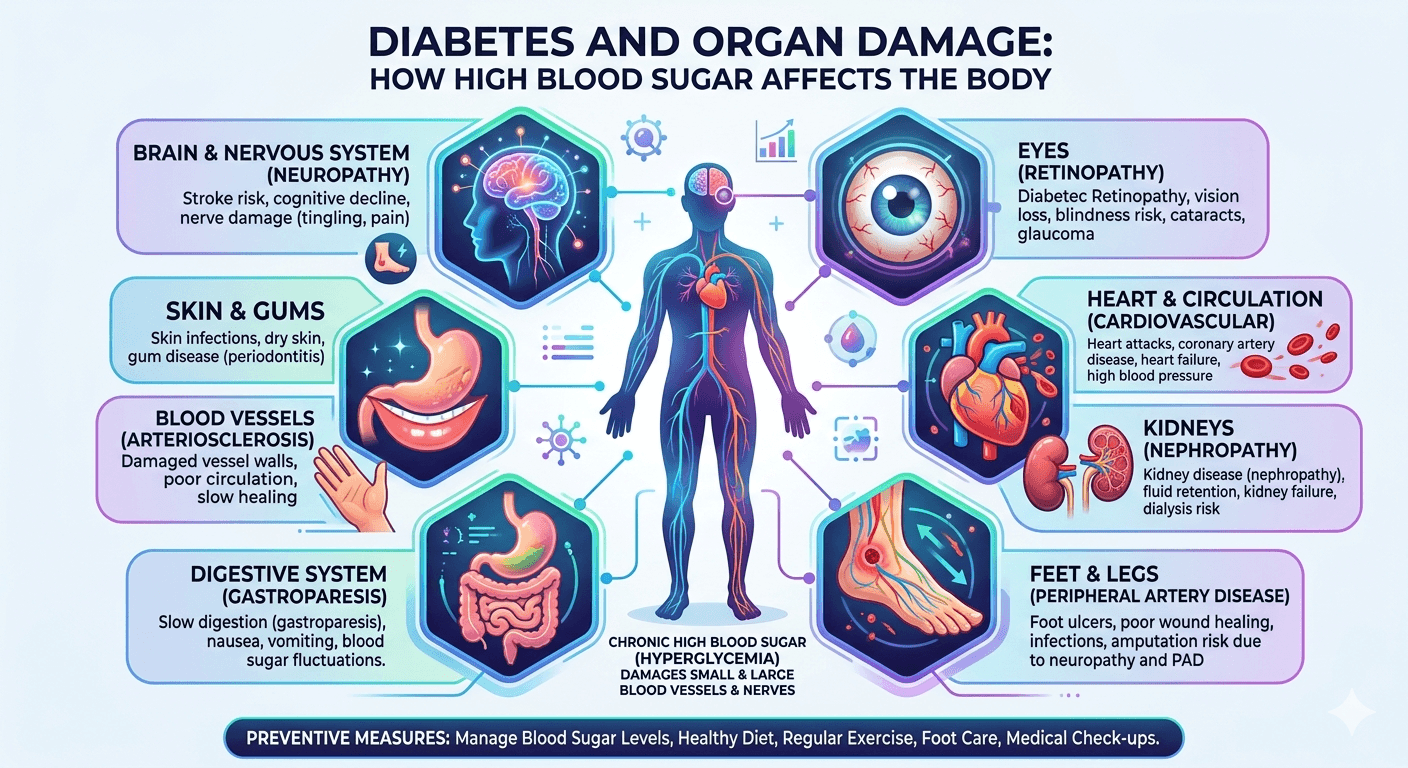
    Diabetes mellitus is a long-term metabolic disease that affects far more than blood sugar levels. The relationship between Diabetes and organ damage is a major health concern, as chronic hyperglycemia can gradually harm multiple body systems. Over time, elevated glucose levels damage blood vessels, impair nerve function, and promote inflammation and oxidative stress. These changes contribute to the development of both microvascular and macrovascular complications, affecting organs such as the kidneys, eyes, heart, and nervous system. Understanding these underlying mechanisms and adopting effective preventive measures are crucial for reducing complications, improving quality of life, and lowering the risk of premature death in individuals with diabetes.

    Diabetes can silently damage vital organs, including the kidneys, heart, eyes, nerves, and liver. Learn how high blood sugar leads to long-term complications, recognize early warning signs, and discover effective strategies to prevent organ damage and maintain overall health.

    Pathophysiology of Organ Damage

    The principal mechanism underlying diabetic complications is sustained hyperglycemia, which exerts harmful effects in several ways:

    Vascular Dysfunction

    Microvascular injury: Affects small blood vessels, particularly in the retina, kidneys, and peripheral nerves.

    Macrovascular injury: Involves large arteries, increasing risk of coronary artery disease, cerebrovascular disease, and peripheral arterial disease.

    Neuropathy
    Hyperglycemia impairs nerve blood supply and function, resulting in sensory, motor, and autonomic deficits.

    Inflammation and Oxidative Stress
    Excess glucose promotes free radical formation and low-grade inflammation, accelerating cellular and tissue injury.

    Major Complications of Diabetes

    https://www.youtube.com/watch?v=oJnrQIwlwDI

    Diabetic ketoacidosis (DKA)

    Diabetic ketoacidosis (DKA) is a severe and potentially fatal complication of diabetes caused by a lack of insulin along with increased levels of counter-regulatory hormones such as glucagon, cortisol, catecholamines, and growth hormone. These hormonal imbalances result in high blood glucose levels, ketone formation, and metabolic acidosis.

    Diabetic Retinopathy

    Ophthalmic (Diabetic Retinopathy): Microvascular leakage and vessel proliferation may cause visual impairment or blindness.

    Types:

    Non-Proliferative Diabetic Retinopathy (NPDR):

    • Early stage.
    • Features: microaneurysms, dot/blot hemorrhages, hard exudates, macular edema.

    Proliferative Diabetic Retinopathy (PDR):

    • Advanced stage.
    • Features: neovascularization, vitreous hemorrhage, tractional retinal detachment.

    Symptoms:

    • Often asymptomatic in early stages.
    • Blurred or fluctuating vision.
    • Dark spots (floaters).
    • Vision loss in advanced disease.

    Renal (Diabetic Nephropathy)

    Diabetic nephropathy is one of the most common and serious complications of diabetes. It occurs when persistently high blood sugar levels damage the tiny blood vessels (glomeruli) in the kidneys, reducing their ability to filter waste and excess fluid from the blood. Early stages may not cause noticeable symptoms, but progressive kidney damage can lead to protein leakage in the urine, swelling of the legs, high blood pressure, and eventually chronic kidney disease or kidney failure.

    Regular monitoring of blood glucose, blood pressure, kidney function tests, and urine protein levels is essential for early detection and management. Maintaining good diabetes control can significantly reduce the risk of diabetic nephropathy and other kidney and urinary disorders associated with long-term diabetes.

    Progressive glomerular damage can lead to proteinuria, chronic kidney disease, and end-stage renal failure.

    Key Features:

    • Early sign: Microalbuminuria (small amounts of protein in urine).
    • Progression: Can advance to proteinuria, reduced kidney function, and eventually chronic kidney disease (CKD) or end-stage renal disease (ESRD).
    • Symptoms: Often silent in the early stages; later may include swelling of feet/ankles, fatigue, high blood pressure, and foamy urine.
    • Risk factors: Poorly controlled blood sugar, long duration of diabetes, hypertension, smoking, and genetic predisposition.

    Cardiovascular

     Increased risk of myocardial infarction, heart failure, hypertension, and atherosclerosis.

    Key Effects:

    • Atherosclerosis: Faster buildup of fatty plaques in arteries, causing narrowing and stiffness.
    • Coronary Artery Disease (CAD): Higher risk of angina, heart attacks, and ischemic heart disease.
    • Hypertension: Common in diabetics, further straining the heart and vessels.
    • Cardiomyopathy: Structural and functional changes in the heart muscle, leading to heart failure.
    • Peripheral Artery Disease (PAD): Reduced blood flow to limbs, causing pain, ulcers, and risk of gangrene.
    • Stroke: Increased likelihood of cerebrovascular accidents due to vascular damage and clot formation.

    Neurological (Peripheral and Autonomic Neuropathy)

    Manifestations include pain, numbness, gastrointestinal dysmotility, and erectile dysfunction.

     Peripheral Neuropathy

    • Neuropathy
    • Affects nerves in the hands, feet, and legs.
    • Symptoms: Numbness, tingling, burning or stabbing pain, reduced ability to feel temperature or touch.
    • Complications: Increased risk of foot ulcers, infections, and amputations due to unnoticed injuries.

     Autonomic Neuropathy

    Involves nerves controlling involuntary body functions.

    Possible effects:

    • Heart: Resting tachycardia, silent heart attacks, abnormal blood pressure regulation.
    • Digestive system: Gastroparesis, constipation, or diarrhea.
    • Urinary system: Bladder dysfunction, urinary retention or incontinence.
    • Sexual function: Erectile dysfunction in men, vaginal dryness in women.
    • Sweating and temperature control abnormalities.

    Foot Complications

    Neuropathy and ischemia predispose to ulcers, infections, and amputations.

    Dermatological and Oral Health Issues

    Higher susceptibility to infections, periodontal disease, and delayed wound healing.

    Neurological (Central Nervous System)

    Elevated risk of cognitive decline, vascular dementia, and Alzheimer’s disease.

    Management and Preventive Strategies

    Early intervention and sustained management are critical to mitigating complications.

     Glycemic Control

    • Self-monitoring of blood glucose and HbA1c testing.
    • Adherence to pharmacological treatment (oral hypoglycemics, insulin, or combination therapy).
    • Dietary modifications emphasizing low glycemic index foods, fiber, lean protein, and limited refined carbohydrates.

     Cardiovascular Risk Management

    • Blood pressure target: <130/80 mmHg.
    • Lipid control with statins when indicated.
    • Sodium restriction and avoidance of processed foods.

     Lifestyle Modifications

    • At least 150 minutes of moderate-intensity physical activity per week.
    • Weight reduction in overweight/obese individuals.
    • Smoking cessation and moderation of alcohol intake.

     Routine Monitoring and Screening

    • Annual dilated eye examination.
    • Regular urine albumin-to-creatinine ratio and serum creatinine testing for nephropathy.
    • Comprehensive foot examination for neuropathy and ulcer prevention.
    • Cardiovascular assessment based on risk profile.

     Psychosocial and Behavioral Interventions

    • Stress management to reduce cortisol-mediated glucose fluctuations.
    • Sleep hygiene to support metabolic stability.

    Conclusion

    Diabetes is a multisystem disease with the potential to cause severe organ damage if inadequately controlled. The burden of complications such as retinopathy, nephropathy, cardiovascular disease, and neuropathy underscores the importance of comprehensive care. Through tight glycemic control, cardiovascular risk reduction, lifestyle interventions, and regular screening, the progression of diabetic complications can be significantly delayed or prevented.

    Effective diabetes management today is the foundation for long-term organ protection and improved patient outcomes.