Insulin Resistance: Causes, Symptoms, Diagnosis & Treatment

Understanding insulin resistance, its causes, impact on the body, sign & symptoms

Insulin resistance is a key factor behind many metabolic problems, including type 2 diabetes, obesity, and fatty liver disease. Here’s a clear breakdown of what happens in the body, what causes it, and how it’s managed.

Pathophysiology What’s Happening Inside the Body

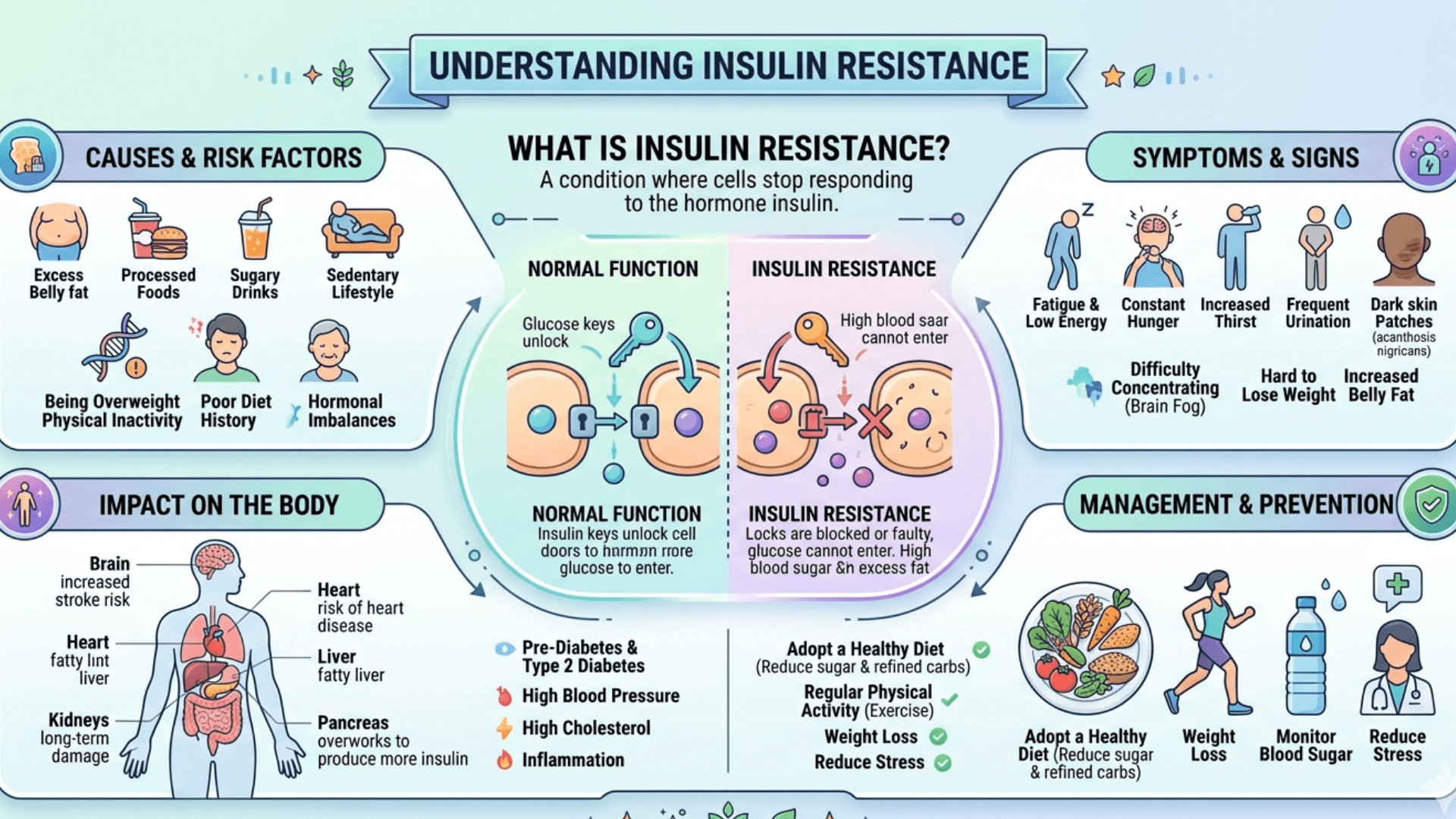
Insulin resistance means your body’s cells especially in your muscles, liver, and fat don’t respond as well to insulin as they should. Because of that, your body needs to make more insulin to keep blood sugar levels normal.

Normally, insulin helps move glucose (sugar) into cells for energy and tells the liver to slow down glucose production. When this process breaks down, muscles take up less glucose, fat tissue releases more fatty acids, and the liver keeps pumping out sugar all leading to higher blood glucose and insulin levels.

What causes this breakdown in signaling?

  • Damaged insulin signaling pathways. The key proteins involved in the insulin pathway stop working efficiently, blocking normal glucose uptake.
  • Fat buildup in the wrong places. When fat accumulates in the liver or muscles (not just under the skin), it interferes with insulin’s action a process called Lipotoxicity.
  • Mitochondrial issues. These “power plants” of the cell may not produce energy effectively, further impairing how the body handles glucose and fat.
  • Chronic inflammation. Stressed fat tissue releases inflammatory chemicals (like TNF-α and IL-6) and attracts immune cells, which worsen insulin resistance throughout the body.

How it affects different organs

  • Muscles: They use most of the glucose after a meal. With insulin resistance, they can’t take up enough sugar, so blood glucose rises.
  • Liver: Insulin normally stops the liver from making glucose. When the liver becomes resistant, it overproduces glucose and stores more fat, creating a cycle of worsening insulin resistance.
  • Fat tissue: Unhealthy fat cells leak fatty acids into the bloodstream and send inflammatory signals that disrupt insulin’s work in other tissues.

What Causes Insulin Resistance

There’s rarely just one cause. It’s usually a mix of lifestyle, genetics, and hormonal factors.

  1. Excess belly fat
    Visceral (deep abdominal) fat is the biggest modifiable risk factor. It’s metabolically active and releases inflammatory compounds that interfere with insulin action.
  2. Inactivity and low muscle mass
    Exercise boosts insulin sensitivity by improving how muscles use glucose. A sedentary lifestyle does the opposite.
  3. Unhealthy diet
    Diets high in refined carbs, added sugars, and saturated fats promote weight gain and fat buildup in the liver and muscles.
  4. Genetics
    Some people are more prone to insulin resistance, especially when combined with weight gain or poor diet.
  5. Hormonal or medical conditions
    Disorders like PCOS, Cushing’s syndrome, hypothyroidism, or acromegaly can worsen insulin resistance. Certain medications such as steroids or some antipsychotics can also play a role.
  6. Aging
    With age, muscle mass tends to decline while belly fat increases. Both reduce insulin sensitivity.
  7. Sleep problems and stress
    Chronic stress and poor sleep raise cortisol and other hormones that make the body less responsive to insulin.
  8. Other metabolic issues
    Conditions like fatty liver disease and abnormal cholesterol often go hand-in-hand with insulin resistance and make it worse.

How It’s Managed

The goal is to improve how the body responds to insulin, lower blood sugar levels, and prevent diabetes or related complications. Management involves lifestyle changes first, then medication if needed.

Lifestyle Changes (the Foundation)

  1. Weight loss
    Losing even 5–10% of your body weight can significantly improve insulin sensitivity.
  2. Exercise
    Combine cardio (like brisk walking, swimming, or cycling) with strength training. Aim for at least 150 minutes of moderate activity a week, plus resistance exercises twice a week.
  3. Healthy eating
    Focus on whole, unprocessed foods. A Mediterranean-style diet — rich in vegetables, lean proteins, whole grains, and healthy fats has strong evidence for improving metabolic health.
  4. Sleep and habits
    Get enough quality sleep, limit alcohol, and avoid smoking. All three affect how the body regulates glucose and insulin.

Medications (When Needed)

If lifestyle changes aren’t enough, medications can help improve insulin sensitivity or control blood sugar.

  1. Metformin
    Often the first choice. It reduces sugar production in the liver and slightly improves insulin sensitivity.
  2. Thiazolidinediones (e.g., pioglitazone)
    These drugs help fat cells work better and shift fat storage away from the liver and muscles. They’re effective but can cause weight gain or fluid retention.
  3. GLP-1 receptor agonists (e.g., semaglutide, liraglutide)
    These medications help with blood sugar control and appetite, often leading to significant weight loss which further improves insulin resistance.
  4. Other medications
  5. SGLT2 inhibitors help the body excrete extra glucose through urine and improve heart and kidney health.
  6. DPP-4 inhibitors modestly lower blood sugar without weight gain.

Medication choice depends on the person’s blood sugar, weight goals, other health issues, and preferences.

When to Start Medication

For people with prediabetes, lifestyle change comes first. Metformin is considered if those changes aren’t enough especially in people with a high BMI, younger age, or a history of gestational diabetes.

Monitoring Progress

Doctors usually track weight, waist size, blood pressure, fasting glucose, HbA1c, and cholesterol. Follow-ups are done every 3–12 months depending on the situation. Regular feedback and structured programs make lifestyle changes more sustainable.

Summary

  • Insulin resistance means the body’s cells don’t respond properly to insulin, mainly due to fat buildup, inflammation, and energy imbalance.
  • Belly fat and inactivity are the biggest modifiable causes.
  • Weight loss and regular exercise remain the most powerful ways to reverse insulin resistance.
  • Medications like Metformin or GLP-1 agonists can help when lifestyle measures alone aren’t enough.

Disclaimer: The information provided in this blog post is for educational and informational purposes only and should not be considered medical advice. It is not intended to replace professional medical consultation, diagnosis, or treatment. Always seek the guidance of a qualified healthcare professional regarding any medical condition or health-related concerns. The author and publisher are not responsible for any actions taken based on the information presented in this article.
Diabetic Neuropathy: Causes, Symptoms and Treatments

Understanding diabetic neuropathy its causes, symptoms, types, and management

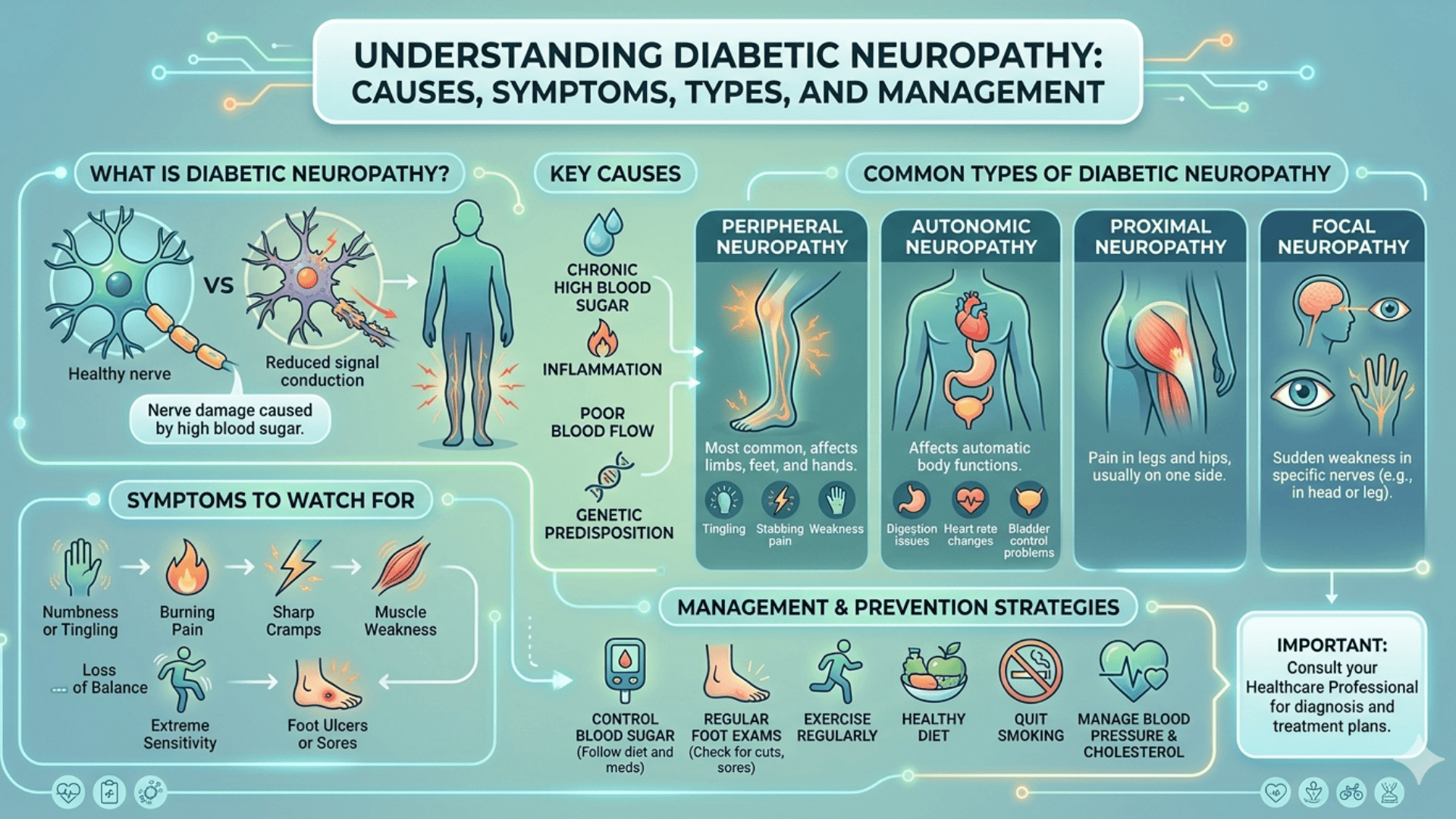
Diabetic neuropathy refers to nerve damage that occurs as a complication of diabetes, often due to long-term high blood sugar levels. It commonly affects peripheral nerves, resulting in symptoms like pain, tingling, numbness, and weakness, starting in the feet and hands. If untreated, it can lead to serious complications, such as infections, ulcers, or amputations. However, with proper care, the condition can be managed effectively.

Types of Diabetic Neuropathy

There are four primary forms of diabetic neuropathy:

Peripheral Neuropathy: This is the most common type, affecting the feet, legs, hands, and arms. It causes symptoms like tingling, numbness, and pain.

Autonomic Neuropathy: This impacts the nerves controlling involuntary body functions, such as heart rate and digestion. It can result in digestive issues, dizziness, and urinary problems.

Proximal Neuropathy: Also known as diabetic amyotrophy, this type causes pain and muscle weakness in the thighs, hips, or buttocks, usually on one side.

Focal Neuropathy: This involves sudden pain or weakness in specific nerves, often in the eyes or face, and tends to improve over time.

Causes of Diabetic Neuropathy

The primary factor behind diabetic neuropathy is high blood glucose levels, which damage blood vessels that nourish the nerves, leading to nerve dysfunction. Several contributing factors include:

Chronic High Blood Sugar: Consistently elevated blood sugar levels cause harmful substances to accumulate, damaging nerve fibers.

Inflammation: Ongoing inflammation due to diabetes can contribute to nerve damage.

Poor Circulation: Reduced blood flow due to high blood sugar levels deprives nerves of essential nutrients and oxygen.

Genetics: Some individuals may be more prone to developing neuropathy due to genetic factors.

Duration of Diabetes: The longer someone has diabetes, the higher their risk of developing neuropathy, especially if their blood sugar levels have been poorly managed.

Symptoms of Diabetic Neuropathy

The symptoms of diabetic neuropathy vary, but they commonly include:

Tingling or numbness in the hands, feet, or legs

Sharp or burning pain

Increased sensitivity to touch

Muscle weakness and poor coordination, especially in the feet and hands

Digestive problems such as nausea, constipation, and diarrhea (in autonomic neuropathy)

Urinary issues like incontinence or difficulty emptying the bladder

Dizziness or fainting due to low blood pressure upon standing

Managing Diabetic Neuropathy

Managing diabetic neuropathy involves controlling blood sugar levels and addressing symptoms to prevent further nerve damage. Key strategies include:

Blood Sugar Control: Keeping blood sugar within the target range through diet, exercise, and medication is crucial in preventing further nerve damage.

Pain Management: Medications like anti-seizure drugs (gabapentin) or antidepressants (amitriptyline) can help control pain and discomfort caused by nerve damage.

Physical Therapy: Physical therapy can improve strength and balance, particularly in cases of muscle weakness or coordination issues.

Foot Care: Regular foot inspections are vital, as nerve damage can prevent pain sensation, leading to unnoticed injuries and infections.

Lifestyle Adjustments: A balanced diet, regular physical activity, quitting smoking, and managing blood pressure and cholesterol are all essential for controlling the condition.

Surgical Options: In some cases, surgery may be needed to address specific issues caused by neuropathy, such as a compressed nerve.

Routine Monitoring: Regular doctor visits, blood tests, and foot exams are important for tracking the progression of the condition.

Precautions in Diabetic Neuropathy

Diabetic neuropathy is a nerve damage complication caused by prolonged high blood sugar levels. Proper precautions can help slow progression, reduce symptoms, and prevent serious complications.

Important Precautions

  • Maintain good blood sugar control through regular monitoring and proper medication use.
  • Inspect feet daily for cuts, blisters, redness, swelling, or ulcers.
  • Wear comfortable, well-fitted footwear to avoid foot injuries.
  • Avoid walking barefoot, even inside the house.
  • Keep feet clean and moisturized, but avoid excess moisture between toes.
  • Trim toenails carefully to prevent infections.
  • Stop smoking and limit alcohol intake, as both worsen nerve damage and circulation.
  • Exercise regularly to improve blood flow and nerve health.
  • Maintain a healthy body weight.
  • Attend regular medical checkups for blood sugar, kidney function, eye health, and nerve assessment.
  • Avoid exposure to extreme heat or cold because reduced sensation may increase the risk of burns or injuries.

Diet Plan for Diabetic Neuropathy

A balanced diet helps control blood glucose levels and supports nerve function.

Foods to Include

  • Whole grains such as oats, brown rice, quinoa, and whole wheat
  • High-fiber vegetables like spinach, broccoli, carrots, and beans
  • Fresh fruits in moderate portions, especially berries, apples, and guava
  • Lean proteins including fish, eggs, chicken, tofu, and legumes
  • Healthy fats from nuts, seeds, olive oil, and avocado
  • Low-fat dairy products
  • Foods rich in vitamin B12, vitamin D, magnesium, and omega-3 fatty acids

Foods to Avoid

  • Sugary drinks and sweets
  • Refined carbohydrates such as white bread and pastries
  • Fried and processed foods
  • Excess salt and packaged snacks
  • Alcohol and smoking
  • High-fat fast foods

Conclusion

Diabetic neuropathy is a serious condition that can lead to significant complications if not managed properly. Early detection and good blood sugar control are crucial for slowing its progression. With the right treatment plan and regular monitoring, those affected can manage their symptoms and maintain a better quality of life. A healthy diet combined with regular exercise, stress management, and proper diabetes control can significantly reduce the risk of worsening diabetic neuropathy.

Disclaimer: The information provided in this blog post is for educational and informational purposes only and should not be considered medical advice. It is not intended to replace professional medical consultation, diagnosis, or treatment. 

Diabetes and Organ Damage

diabetes and organ damage1

Causes, Complications, and Management

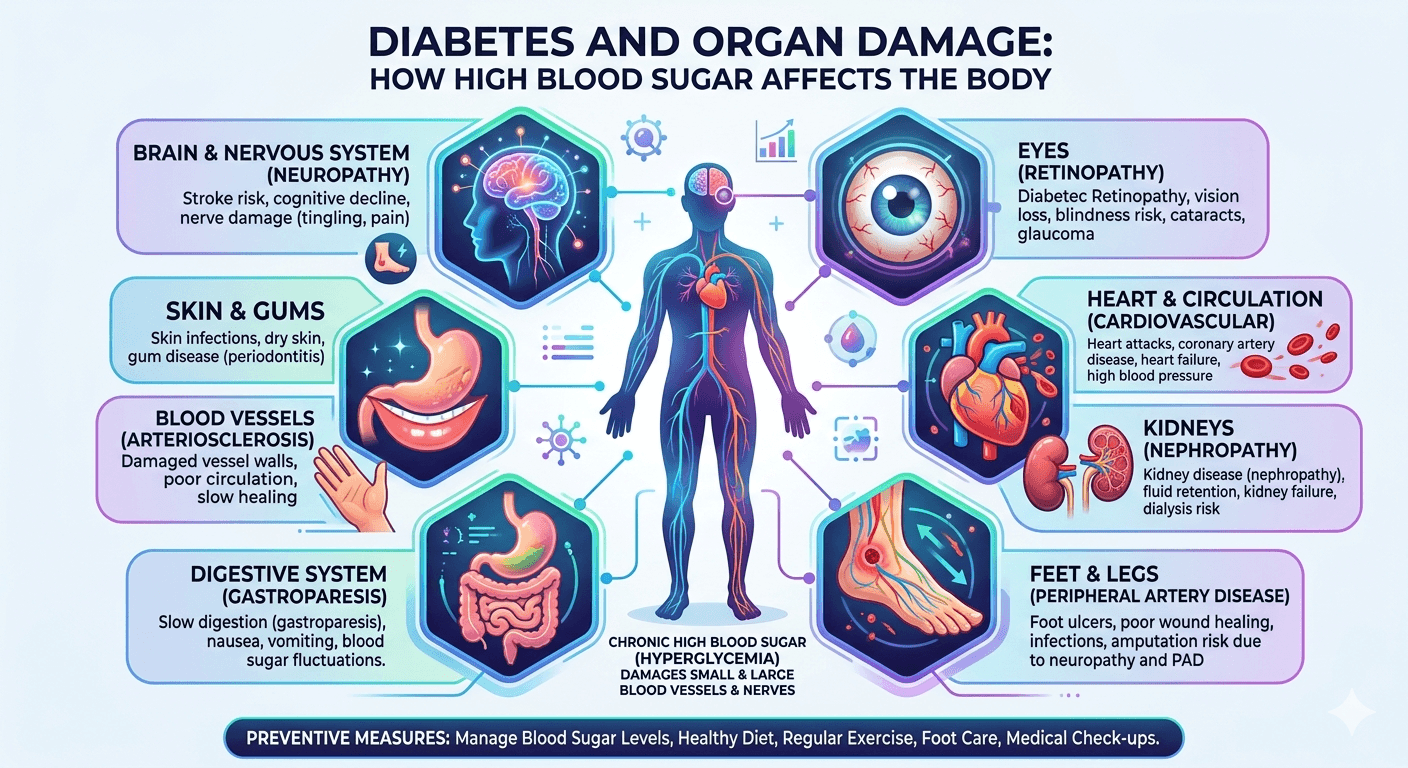
Diabetes mellitus is a chronic metabolic disorder with systemic implications. Beyond abnormal blood glucose regulation, long-standing diabetes can progressively damage multiple organs. Persistent hyperglycemia disrupts vascular integrity, impairs nerve function, and accelerates inflammatory and oxidative processes, leading to both microvascular and macrovascular complications. Recognizing these mechanisms and implementing preventive strategies are essential in reducing morbidity and mortality among patients with diabetes.

Pathophysiology of Organ Damage

The principal mechanism underlying diabetic complications is sustained hyperglycemia, which exerts harmful effects in several ways:

Vascular Dysfunction

Microvascular injury: Affects small blood vessels, particularly in the retina, kidneys, and peripheral nerves.

Macrovascular injury: Involves large arteries, increasing risk of coronary artery disease, cerebrovascular disease, and peripheral arterial disease.

Neuropathy
Hyperglycemia impairs nerve blood supply and function, resulting in sensory, motor, and autonomic deficits.

Inflammation and Oxidative Stress
Excess glucose promotes free radical formation and low-grade inflammation, accelerating cellular and tissue injury.

Major Complications of Diabetes

Ophthalmic (Diabetic Retinopathy): Microvascular leakage and vessel proliferation may cause visual impairment or blindness.

Types:

Non-Proliferative Diabetic Retinopathy (NPDR):

  • Early stage.
  • Features: microaneurysms, dot/blot hemorrhages, hard exudates, macular edema.

Proliferative Diabetic Retinopathy (PDR):

  • Advanced stage.
  • Features: neovascularization, vitreous hemorrhage, tractional retinal detachment.

Symptoms:

  • Often asymptomatic in early stages.
  • Blurred or fluctuating vision.
  • Dark spots (floaters).
  • Vision loss in advanced disease.

Renal (Diabetic Nephropathy)

Progressive glomerular damage can lead to proteinuria, chronic kidney disease, and end-stage renal failure.

Key Features:

  • Early sign: Microalbuminuria (small amounts of protein in urine).
  • Progression: Can advance to proteinuria, reduced kidney function, and eventually chronic kidney disease (CKD) or end-stage renal disease (ESRD).
  • Symptoms: Often silent in the early stages; later may include swelling of feet/ankles, fatigue, high blood pressure, and foamy urine.
  • Risk factors: Poorly controlled blood sugar, long duration of diabetes, hypertension, smoking, and genetic predisposition.

Cardiovascular

 Increased risk of myocardial infarction, heart failure, hypertension, and atherosclerosis.

Key Effects:

  • Atherosclerosis: Faster buildup of fatty plaques in arteries, causing narrowing and stiffness.
  • Coronary Artery Disease (CAD): Higher risk of angina, heart attacks, and ischemic heart disease.
  • Hypertension: Common in diabetics, further straining the heart and vessels.
  • Cardiomyopathy: Structural and functional changes in the heart muscle, leading to heart failure.
  • Peripheral Artery Disease (PAD): Reduced blood flow to limbs, causing pain, ulcers, and risk of gangrene.
  • Stroke: Increased likelihood of cerebrovascular accidents due to vascular damage and clot formation.

Neurological (Peripheral and Autonomic Neuropathy)

Manifestations include pain, numbness, gastrointestinal dysmotility, and erectile dysfunction.

 Peripheral Neuropathy

  • Affects nerves in the hands, feet, and legs.
  • Symptoms: Numbness, tingling, burning or stabbing pain, reduced ability to feel temperature or touch.
  • Complications: Increased risk of foot ulcers, infections, and amputations due to unnoticed injuries.

 Autonomic Neuropathy

Involves nerves controlling involuntary body functions.

Possible effects:

  • Heart: Resting tachycardia, silent heart attacks, abnormal blood pressure regulation.
  • Digestive system: Gastroparesis, constipation, or diarrhea.
  • Urinary system: Bladder dysfunction, urinary retention or incontinence.
  • Sexual function: Erectile dysfunction in men, vaginal dryness in women.
  • Sweating and temperature control abnormalities.

Foot Complications

Neuropathy and ischemia predispose to ulcers, infections, and amputations.

Dermatological and Oral Health Issues

Higher susceptibility to infections, periodontal disease, and delayed wound healing.

Neurological (Central Nervous System)

Elevated risk of cognitive decline, vascular dementia, and Alzheimer’s disease.

Management and Preventive Strategies

Early intervention and sustained management are critical to mitigating complications.

 Glycemic Control

  • Self-monitoring of blood glucose and HbA1c testing.
  • Adherence to pharmacological treatment (oral hypoglycemics, insulin, or combination therapy).
  • Dietary modifications emphasizing low glycemic index foods, fiber, lean protein, and limited refined carbohydrates.

 Cardiovascular Risk Management

  • Blood pressure target: <130/80 mmHg.
  • Lipid control with statins when indicated.
  • Sodium restriction and avoidance of processed foods.

 Lifestyle Modifications

  • At least 150 minutes of moderate-intensity physical activity per week.
  • Weight reduction in overweight/obese individuals.
  • Smoking cessation and moderation of alcohol intake.

 Routine Monitoring and Screening

  • Annual dilated eye examination.
  • Regular urine albumin-to-creatinine ratio and serum creatinine testing for nephropathy.
  • Comprehensive foot examination for neuropathy and ulcer prevention.
  • Cardiovascular assessment based on risk profile.

 Psychosocial and Behavioral Interventions

  • Stress management to reduce cortisol-mediated glucose fluctuations.
  • Sleep hygiene to support metabolic stability.

Conclusion

Diabetes is a multisystem disease with the potential to cause severe organ damage if inadequately controlled. The burden of complications such as retinopathy, nephropathy, cardiovascular disease, and neuropathy underscores the importance of comprehensive care. Through tight glycemic control, cardiovascular risk reduction, lifestyle interventions, and regular screening, the progression of diabetic complications can be significantly delayed or prevented.

Effective diabetes management today is the foundation for long-term organ protection and improved patient outcomes.