Viral Hepatitis: A Concise Clinical Overview

Viral hepatitis its types, causes, complications, and symptoms

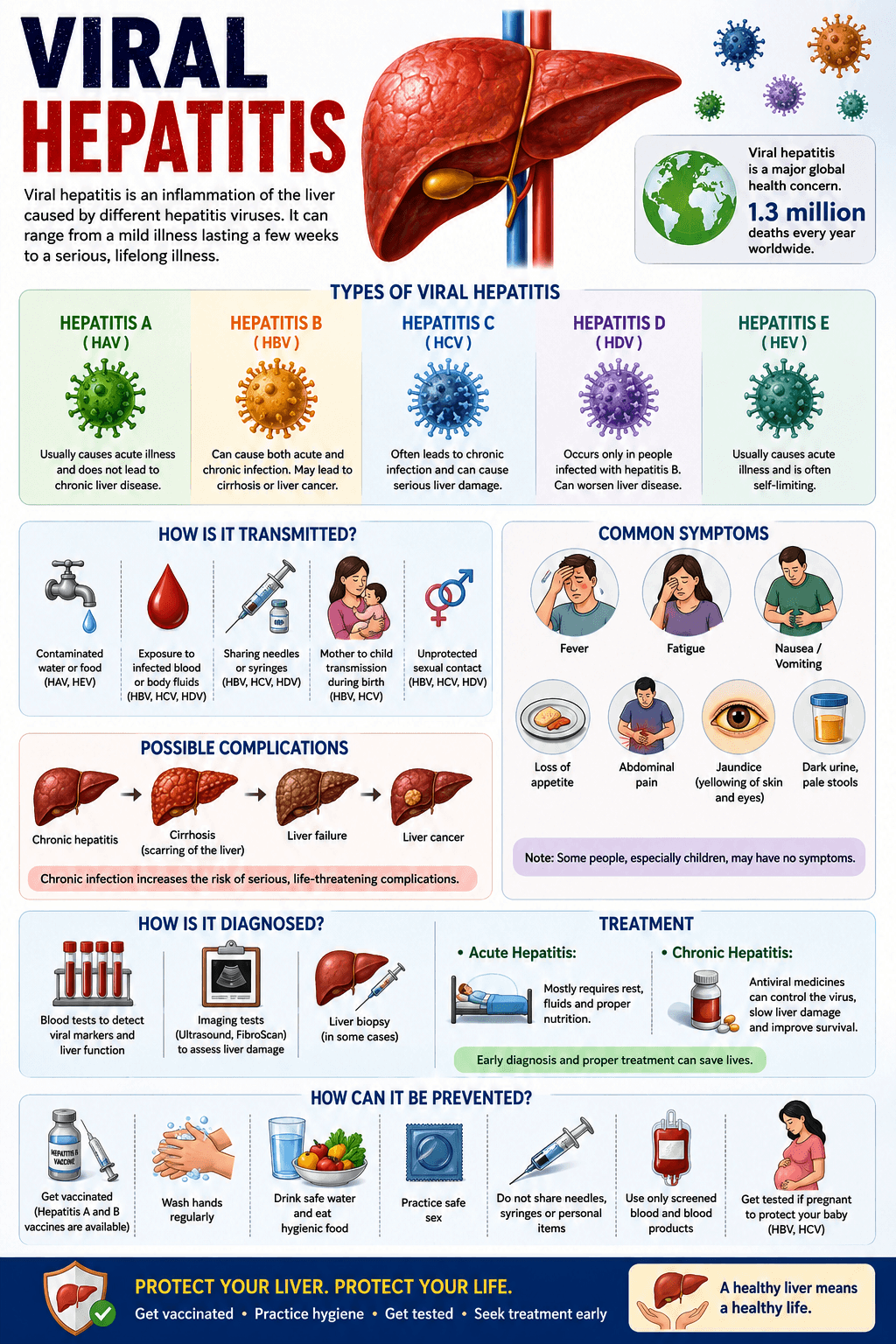
Viral hepatitis refers to inflammation of the liver caused by specific viruses that target liver cells. The main culprits are hepatitis A, B, C, D, and E viruses. These infections vary in how they spread, how long they last, and how severely they affect the liver.

Pathophysiology

The liver damage in viral hepatitis results from two main processes: the direct impact of the virus on liver cells and the body’s immune response to infection.

  • Inside the liver cells:
    The viruses enter hepatocytes and replicate using the cell’s machinery. Some, like hepatitis B, can integrate parts of their genetic material into the host’s DNA, allowing them to persist for years. Others, such as hepatitis A and E, are cleared after a short infection. Viral replication can interfere with normal cell functions like protein synthesis and metabolism.
  • Immune response:
    The immune system detects infected liver cells and attacks them. Cytotoxic T cells and inflammatory cytokines cause cell death and inflammation, leading to elevated liver enzymes and jaundice. When the immune attack continues over time, it triggers fibrosis, cirrhosis, and can eventually lead to liver cancer.
  • Potential complications:
    These include acute liver failure from massive cell death, chronic hepatitis that progresses to cirrhosis, and hepatocellular carcinoma. Coinfection (for example, HBV with HDV) or a weakened immune system can make the disease more severe.

Types of Viral Hepatitis

Hepatitis A (HAV)

  • Type: RNA virus (Picornavirus).
  • Transmission: Fecal–oral route via contaminated food, water, or contact with infected individuals.
  • Course: Usually an acute, short-term illness. Rarely causes severe liver failure. No chronic infection. An effective vaccine is available.

Hepatitis B (HBV)

  • Type: DNA virus (Hepadnavirus).
  • Transmission: Blood and body fluids (birth, sex, needles, transfusions).
  • Course: May be acute or chronic. Infants infected at birth have a higher risk of developing chronic disease. Chronic HBV can lead to cirrhosis and liver cancer. A highly effective vaccine and antiviral treatments (tenofovir, entecavir) are available.

Hepatitis C (HCV)

  • Type: RNA virus (Flavivirus).
  • Transmission: Primarily through blood exposure (needles, transfusions before screening, unsafe medical practices).
  • Course: Often becomes chronic and can slowly cause fibrosis, cirrhosis, and liver cancer. Modern antiviral drugs (DAAs) cure over 95% of cases. No vaccine yet.

Hepatitis D (HDV)

  • Type: Defective RNA virus that requires HBV to replicate.
  • Transmission: Same as HBV.
  • Course: Occurs as a Coinfection with HBV or as a super infection in HBV carriers. Super infection tends to cause more severe disease. Prevention relies on HBV vaccination.

Hepatitis E (HEV)

  • Type: RNA virus (Hepevirus).
  • Transmission: Fecal–oral, often through contaminated water; can also spread from animals.
  • Course: Usually acute and self-limited but can be severe in pregnant women. Chronic HEV may occur in immunocompromised individuals. A vaccine exists in some countries but is not widely used.

Causes and Risk Factors

Viral hepatitis is mainly caused by infection with hepatitis viruses such as Hepatitis A, Hepatitis B, Hepatitis C, Hepatitis D, and Hepatitis E. These viruses attack the liver and cause inflammation, which can lead to liver damage if not treated properly.

Several risk factors increase the chance of developing viral hepatitis. These include poor hygiene, unsafe drinking water, blood transfusions without proper screening, intravenous drug use, multiple sexual partners, healthcare exposure to infected blood, tattooing or piercing with unsterilized equipment, and weakened immunity. Lack of vaccination, especially for hepatitis A and B, also increases the risk of infection.

Clinical Features

The symptoms of viral hepatitis may vary from mild illness to serious liver complications. During the initial stage, patients often report tiredness, weakness, fever, reduced appetite, nausea, vomiting, body aches, and pain or discomfort in the upper right side of the abdomen. As the condition advances, jaundice can appear, leading to yellowing of the skin and eyes, dark urine, and pale-colored stools.

Certain individuals may also develop itching, liver enlargement, and mild pain in the joints. In chronic infections, particularly Hepatitis B and Hepatitis C, symptoms can remain unnoticed for many years before progressing to complications such as liver fibrosis, cirrhosis, or liver failure. Advanced disease may cause mental confusion, increased bleeding tendency, and abdominal swelling as a result of severe liver damage.

Line of Management

Prevention:

  • Vaccines: Available for HAV and HBV (which also prevents HDV). Universal infant HBV vaccination is key to prevention.
  • Public health measures: Safe food and water, blood screening, sterile injections, safe sex, and harm reduction programs for people who inject drugs.
  • Expanding vaccination and treatment access supports WHO’s global elimination goals.

Diagnosis and Screening:

  • HAV: IgM anti-HAV confirms acute infection.
  • HBV: HBsAg, anti-HBs, and HBV DNA for diagnosis and monitoring.
  • HCV: Anti-HCV for screening; HCV RNA to confirm active infection.
  • HDV: Test in HBsAg-positive individuals using anti-HDV or HDV RNA.
  • HEV: IgM anti-HEV or HEV RNA testing for acute cases.
    Screening recommendations vary, but many countries now advocate one-time HBV and HCV testing for adults.

Treatment

  • HAV and HEV: Supportive care only; rest, hydration, and avoiding alcohol or liver-toxic drugs.
  • HBV: Long-term antivirals (tenofovir, entecavir) to control viral replication and prevent progression to cirrhosis or liver cancer.
  • HCV: Short courses of oral DAAs that cure most infections. Common oral DAAs include sofosbuvir, ledipasvir, daclatasvir, velpatasvir, and glecaprevir/pibrentasvir. Treatment choice depends on the HCV genotype, liver condition, and patient-related factors.
  • HDV: Difficult to treat; pegylated interferon and newer therapies are under study. HBV vaccination remains the best prevention.

Lifestyle and follow-up

Avoid alcohol, manage metabolic conditions, and ensure vaccination of household contacts. Long-term follow-up includes liver enzyme testing, fibrosis assessment, and cancer screening (ultrasound, and AFP every six months for cirrhotic patients).

Patient education

Education should include the importance of completing prescribed treatment, attending regular follow-up visits, and monitoring liver function. Patients should avoid alcohol, smoking, and unnecessary medications that may further damage the liver. A balanced diet, adequate rest, and healthy lifestyle habits can help support liver recovery.

Family members and close contacts may also require screening or vaccination to reduce transmission. Proper counseling helps improve treatment adherence, reduce stigma, and enhance the overall quality of life of patients with viral hepatitis.

Disclaimer: The information provided in this blog post is for educational and informational purposes only and should not be considered medical advice. It is not intended to replace professional medical consultation, diagnosis, or treatment. Always seek the guidance of a qualified healthcare professional regarding any medical condition or health-related concerns. The author and publisher are not responsible for any actions taken based on the information presented in this article.
Hepatorenal Syndrome (HRS)

Understanding Hepatorenal Syndrome

Causes, Pathophysiology, and Management

Definition and Overview

Hepatorenal syndrome is defined as the development of renal failure in individuals with severe liver disease, most often cirrhosis, in the absence of any identifiable cause of kidney dysfunction. The syndrome results from alterations in blood flow and vascular regulation, leading to intense constriction of blood vessels in the kidneys and failure of the renal filtration process. HRS typically occurs in the context of worsening liver function, often triggered by infections, gastrointestinal bleeding, or excessive use of diuretics.

Pathophysiology

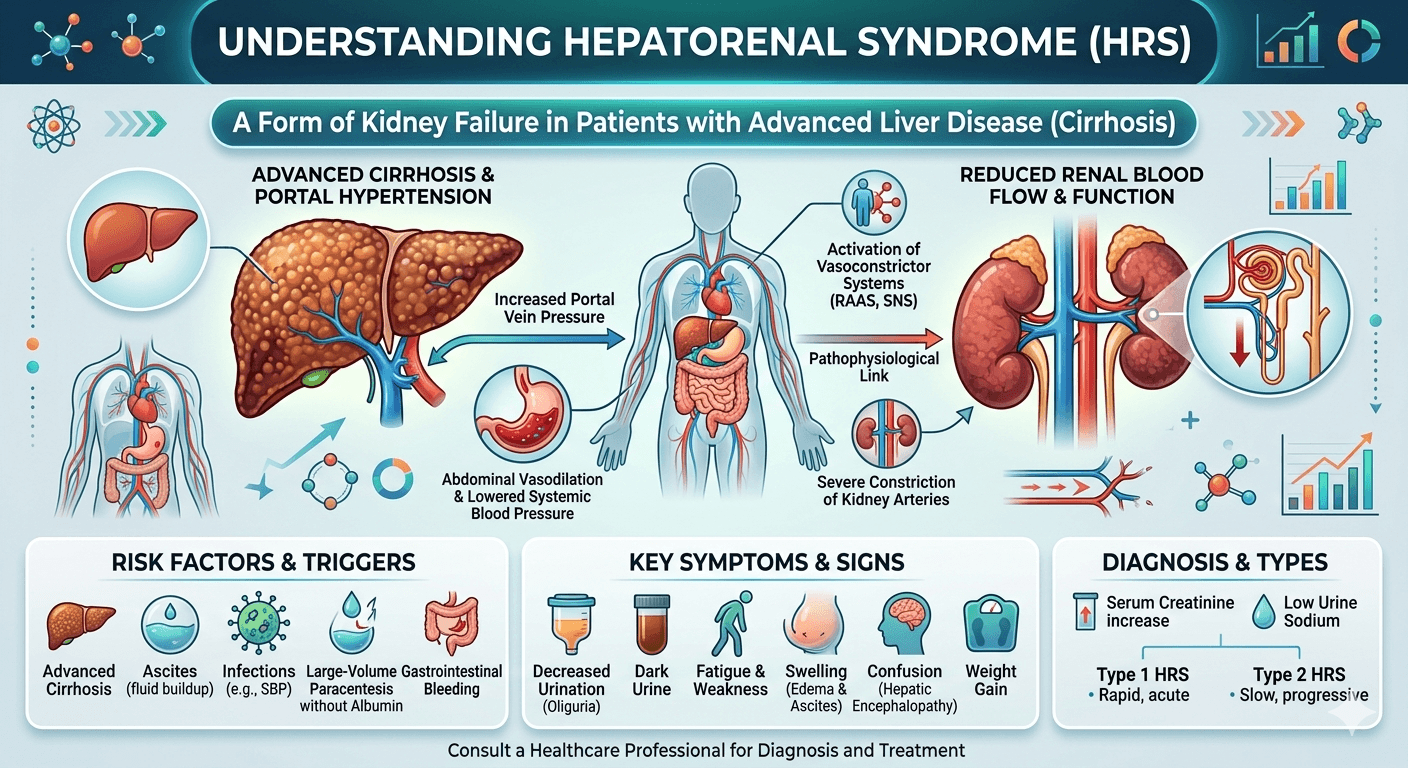
The main mechanism behind HRS is an imbalance between vasodilation and vasoconstriction, leading to reduced blood flow to the kidneys.

  1. Splanchnic Vasodilation

Portal hypertension in liver disease triggers the release of vasodilators such as nitric oxide.

This widens blood vessels in the Splanchnic circulation (gut and abdominal organs), lowering effective blood volume.

Activation of Vasoconstrictor Systems

To compensate, the body activates the RAAS (rennin–angiotensin–aldosterone system), sympathetic nervous system, and antidiuretic hormone.

These responses cause sodium and water retention, Ascites, and progressive renal vasoconstriction.

  1. Systemic Inflammation

Bacterial translocation from the gut and endotoxin release aggravate vascular dysfunction and accelerate renal impairment.

Causes and Risk Factors

HRS does not develop spontaneously but is usually precipitated by specific events in patients with advanced cirrhosis or acute liver failure.

Primary liver conditions:

  • Decompensated cirrhosis (most common) is the stage of chronic liver disease where the liver can no longer perform its essential functions adequately, and serious complications begin to appear.
  • Severe alcoholic hepatitis
  • Acute fulminant hepatic failure

Precipitating factors:

  • Spontaneous bacterial peritonitis (SBP)
  • Large-volume paracentesis without albumin replacement
  • Gastrointestinal bleeding
  • Over use of diuretics leading to hypovolemia.
  • Severe infections or sepsis

Types of Hepatorenal Syndrome

Hepatorenal syndrome (HRS) is a severe complication of advanced liver disease in which kidney function deteriorates quickly even though the kidneys remain structurally intact. It most often develops in individuals with decompensated cirrhosis and significant portal hypertension.

Type 1 Hepatorenal Syndrome (HRS-AKI)

This is the rapidly worsening form of HRS. Kidney failure appears over a period of days to weeks and is marked by a significant increase in serum creatinine levels. Common triggers include infections such as spontaneous bacterial peritonitis, gastrointestinal hemorrhage, or profound dehydration. Patients may experience decreased urine output, increasing ascites, confusion, and marked fatigue. Type 1 HRS has a poor outlook and demands immediate management with vasoconstrictor medications, albumin administration, and consideration of liver transplantation.

Type 2 Hepatorenal Syndrome

This form is more gradual and chronic in nature. Kidney impairment develops slowly and is frequently linked with refractory Ascites that responds poorly to diuretic treatment. Early symptoms are usually milder, although the disorder may worsen progressively. Treatment focuses on managing Ascites, providing albumin therapy, and assessing suitability for liver transplantation.

Updated Classification

Current guidelines divide HRS into:

  • HRS-AKI (Acute Kidney Injury) → equivalent to the previous Type 1 HRS
  • HRS-NAKI (Non-Acute Kidney Injury) → includes chronic or sub acute kidney impairment, similar to the former Type 2 HRS

Prompt recognition and treatment are essential because Hepatorenal syndrome is linked to high mortality in patients with advanced liver disease.

HRS Type 1: Rapidly progressive, with doubling of serum creatinine (>2.5 mg/dL) or halving of creatinine clearance within 2 weeks. Poor prognosis, median survival ~2 weeks if untreated.

HRS Type 2: More slowly progressive, commonly associated with refractory Ascites. Median survival ~6 months.

Diagnosis

HRS is a diagnosis of exclusion, made after ruling out structural kidney injury or other causes of renal dysfunction. Key criteria include:

  • Advanced liver disease with portal hypertension and Ascites
  • Low GFR (elevated serum creatinine or low urine output)
  • No shock, nephrotoxic drug use, or structural kidney disease
  • Lack of improvement after diuretic withdrawal and plasma volume expansion with albumin

Lab Tests

  • CBC
  • LFT (Liver function test)
  • KFT (kidney function test) with electrolytes.
  • Lipid Profile
  • RBS with HBA1C
  • Urinalysis

Imaging

  • USG (whole abdomen)
  • CT Scan or MRI (whole abdomen)

Management

1. General Principles

  • Remove or correct precipitating factors (infections, bleeding, over-diuresis).
  • Discontinue nephrotoxic drugs (NSAIDs, Aminoglycosides, contrast agents).
  • Avoid hypovolemia and correct electrolyte imbalances.

2. Pharmacological Therapy

Vasoconstrictors + Albumin are the mainstay:

Terlipressin + Albumin (gold standard where available).

Alternatives: Norepinephrine, Midodrine + Octreotide + Albumin (especially where Terlipressin is not available).

Albumin: Expands plasma volume and counteracts circulatory dysfunction.

3. Supportive Measures

  • Careful fluid balance.
  • Treat infections aggressively (antibiotics, albumin infusion for SBP).
  • Avoid further renal insults.

4. Renal Replacement Therapy

  • Dialysis may be required as a bridge to liver transplantation.
  • Not a definitive therapy but supports patients with severe renal dysfunction.

5. Definitive Treatment

  • Liver Transplantation: The only curative treatment, as it corrects the underlying liver failure and restores renal function in most cases.
  • Simultaneous liver–kidney transplantation may be considered in selected patients with prolonged renal dysfunction.

Prognosis

  • Untreated HRS has extremely poor survival (weeks to months).
  • Early recognition and initiation of vasoconstrictor therapy with albumin improve short-term outcomes.
  • Liver transplantation remains the only intervention that significantly improves long-term survival.

Conclusion

Hepatorenal syndrome is a severe complication of advanced liver disease, characterized by functional renal failure due to systemic and Splanchnic circulatory disturbances. Prompt recognition, correction of precipitating factors, vasoconstrictor plus albumin therapy, and timely referral for liver transplantation are critical for improving patient outcomes.

Disclaimer: The information provided in this blog post is for educational and informational purposes only and should not be considered medical advice. It is not intended to replace professional medical consultation, diagnosis, or treatment. Always seek the guidance of a qualified healthcare professional regarding any medical condition or health-related concerns. The author and publisher are not responsible for any actions taken based on the information presented in this article.
Fatty Liver Disease: 25 FAQs You Must Know

Introduction

Fatty liver disease is becoming one of the most common health issues today, especially in India. What makes it dangerous is how quietly it develops.

Most people don’t realize they have it until it progresses.

This guide answers the most important questions about fatty liver in a simple, practical way so you can take action early.

What is Fatty Liver Disease?

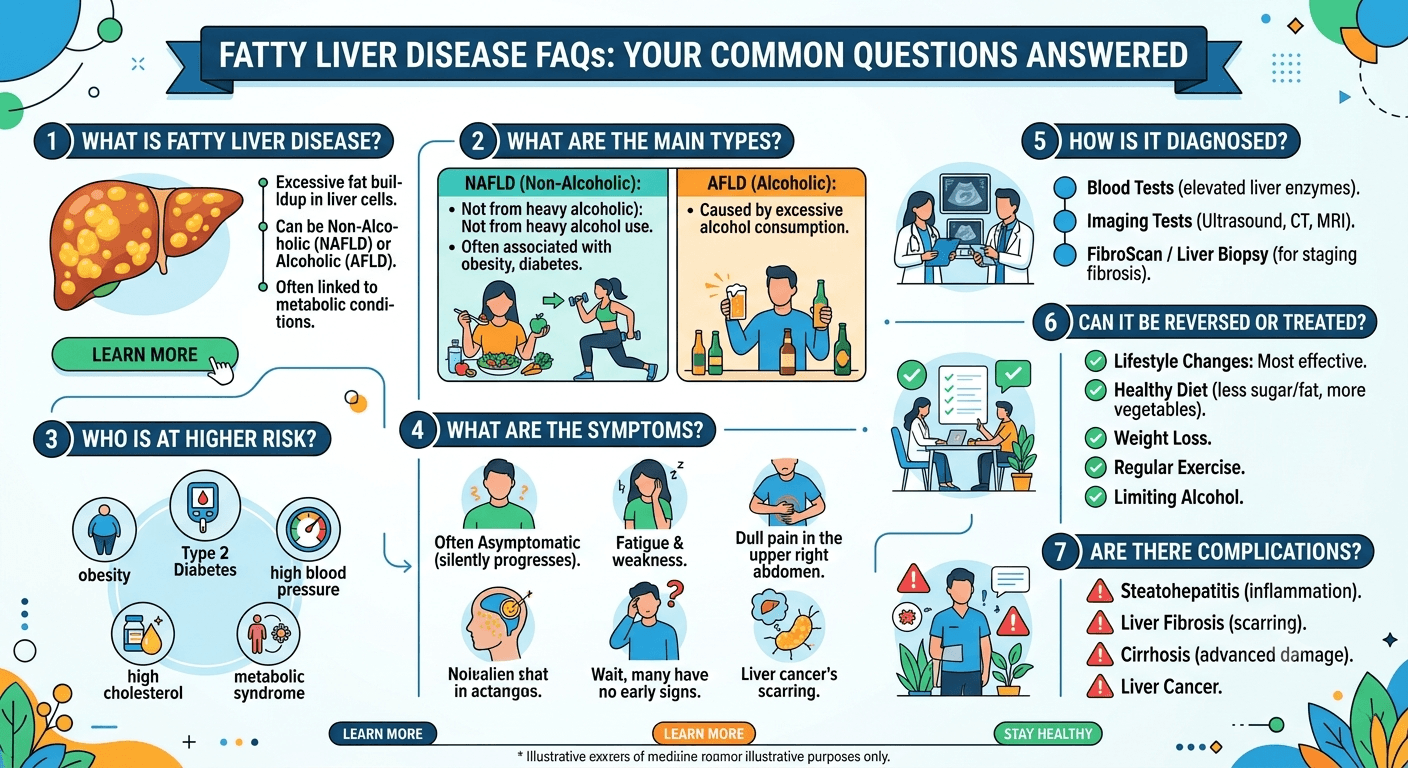
Fatty Liver Disease refers to excessive fat accumulation in liver cells. It is broadly classified into:

  • Non-alcoholic fatty liver disease (NAFLD) – not related to alcohol use
  • Alcoholic fatty liver disease (AFLD) – caused by excessive alcohol consumption

When fat exceeds 5–10% of liver weight, it is considered abnormal.

What causes Fatty Liver Disease?

Common causes include:

  • Obesity and metabolic syndrome
  • Insulin resistance and type 2 diabetes
  • High cholesterol and triglycerides
  • Excess alcohol intake
  • Poor diet (high sugar, refined carbs, processed food)
  • Sedentary lifestyle
  • Certain medications (e.g., steroids, chemotherapy drugs)

What are the early symptoms of Fatty Liver Disease?

Early stages are often silent. When symptoms occur, they may include:

  • Fatigue
  • Mild discomfort in the upper right abdomen
  • Bloating
  • Loss of appetite

What are the warning signs of advanced disease?

As the disease progresses (to NASH or cirrhosis), symptoms may include:

  • Persistent abdominal pain
  • Jaundice (yellowing of skin and eyes)
  • Swelling in legs or abdomen (ascites)
  • Easy bruising
  • Confusion (hepatic encephalopathy)

What is the difference between NAFLD and NASH?

Nonalcoholic Fatty Liver Disease (NAFLD) is a condition in which excess fat builds up in the liver in people who drink little or no alcohol.

In many people, NAFLD causes no major symptoms and may remain stable for years. It is often linked with:

  • Obesity
  • Type 2 diabetes
  • Insulin resistance
  • High cholesterol
  • Metabolic dysfunction

Nonalcoholic Steatohepatitis (NASH) is a more serious form of NAFLD.

In NASH, the liver not only contains excess fat but also develops:

  • Inflammation
  • Liver cell injury
  • Scarring (fibrosis)

Over time, NASH can progress to:

  • Advanced fibrosis
  • Cirrhosis
  • Liver failure
  • Liver cancer

Is Fatty Liver Disease reversible?

Yes, especially in early stages. Lifestyle changes can significantly reduce liver fat and even reverse damage:

  • Weight loss (5–10% body weight)
  • Regular exercise
  • Healthy diet

Advanced stages like cirrhosis are usually irreversible.

How is Fatty Liver Disease diagnosed?

Diagnosis typically involves:

  • Blood tests (liver enzymes: ALT, AST)
  • Imaging (ultrasound, CT scan, MRI)
  • FibroScan (to assess liver stiffness)
  • Liver biopsy (gold standard, used in selected cases)

What is the best diet for Fatty Liver Disease?

A liver-friendly diet includes:

  • Fruits and vegetables
  • Whole grains
  • Lean protein (fish, chicken, legumes)
  • Healthy fats (olive oil, nuts)

Avoid:

  • Sugary drinks
  • Processed foods
  • Trans fats
  • Excess salt and alcohol

Which foods should be strictly avoided?

  • Soft drinks and high-fructose corn syrup
  • Fried foods
  • Packaged snacks
  • Red and processed meat
  • Alcohol

Can exercise help in Fatty Liver Disease?

Yes. Exercise improves insulin sensitivity and reduces liver fat.

  • Aim for 150–300 minutes/week of moderate activity
  • Include both aerobic exercise and strength training

Is Fatty Liver Disease dangerous?

It can be. While early stages are harmless, untreated disease may progress to:

  • NASH
  • Fibrosis
  • Cirrhosis
  • Liver cancer

Can non-obese people get Fatty Liver Disease?

Yes. This is called lean NAFLD and is common in Asian populations. Causes include:

  • Genetic predisposition
  • Poor diet
  • Metabolic abnormalities

Does Fatty Liver affect other organs?

Yes. It is closely linked with:

  • Heart disease
  • Type 2 diabetes
  • Kidney disease

Cardiovascular disease is the leading cause of death in these patients.

Are there any medications for Fatty Liver Disease?

Currently, no specific FDA-approved drugs for NAFLD exist. However:

  • vitamin E (in selected patients)
  • Pioglitazone (for insulin resistance)
  • New drugs are under research
  • L-Ornithine L-Aspartate (LOLA) is a stable salt of two amino acids used primarily to treat liver diseases.
  • Ursodeoxycholic Acid is a hepatoprotective medication.

Treatment mainly focuses on lifestyle changes.

How long does it take to reverse Fatty Liver?

Improvement can be seen within:

  • 4–12 weeks with lifestyle changes
  • Significant reversal may take 3–6 months or longer
  • Consistency is key.

Is alcohol completely banned in Fatty Liver Disease?

  • In NAFLD: Best to avoid or strictly limit alcohol
  • In AFLD: Complete abstinence is necessary

Can Fatty Liver Disease lead to liver cancer?

Yes. Long-standing NASH and cirrhosis increase the risk of hepatocellular carcinoma (HCC).

Is Fatty Liver common in India?

Yes, prevalence is rising rapidly due to:

  • Sedentary lifestyle
  • High carbohydrate diet
  • Increasing obesity and diabetes rates

Studies estimate 25–30% of urban Indians may have NAFLD.

Can Fatty Liver be prevented?

Yes, prevention strategies include:

  • Maintaining healthy weight
  • Regular physical activity
  • Balanced diet
  • Avoiding alcohol and processed foods
  • Managing diabetes and cholesterol

When should you see a doctor?

Consult a doctor if you have:

  • Persistent fatigue or abdominal discomfort
  • Abnormal liver function tests
  • Risk factors like obesity, diabetes, or alcohol use

Is Fatty Liver the same as liver failure?

No. Fatty liver is an early, often reversible stage. Liver failure occurs in advanced disease like cirrhosis.

Can herbal or natural remedies cure Fatty Liver?

Some may help support liver health (e.g., coffee, omega-3s), but:

  • No herbal remedy alone can cure fatty liver
  • Always consult a doctor before using supplements

Does drinking coffee help Fatty Liver?

Yes, moderate coffee consumption (2–3 cups/day) may:

  • Reduce liver inflammation
  • Slow disease progression

Can children develop Fatty Liver Disease?

Yes, especially with:

  • Childhood obesity
  • Poor diet and lack of exercise

This is becoming increasingly common worldwide.

What is the prognosis of Fatty Liver Disease?

  • Early stage: Excellent prognosis with lifestyle changes
  • Advanced stage (cirrhosis): Serious, may require liver transplant

Disclaimer: The information provided in this blog post is for educational and informational purposes only and should not be considered medical advice. It is not intended to replace professional medical consultation, diagnosis, or treatment. Always seek the guidance of a qualified healthcare professional regarding any medical condition or health-related concerns.

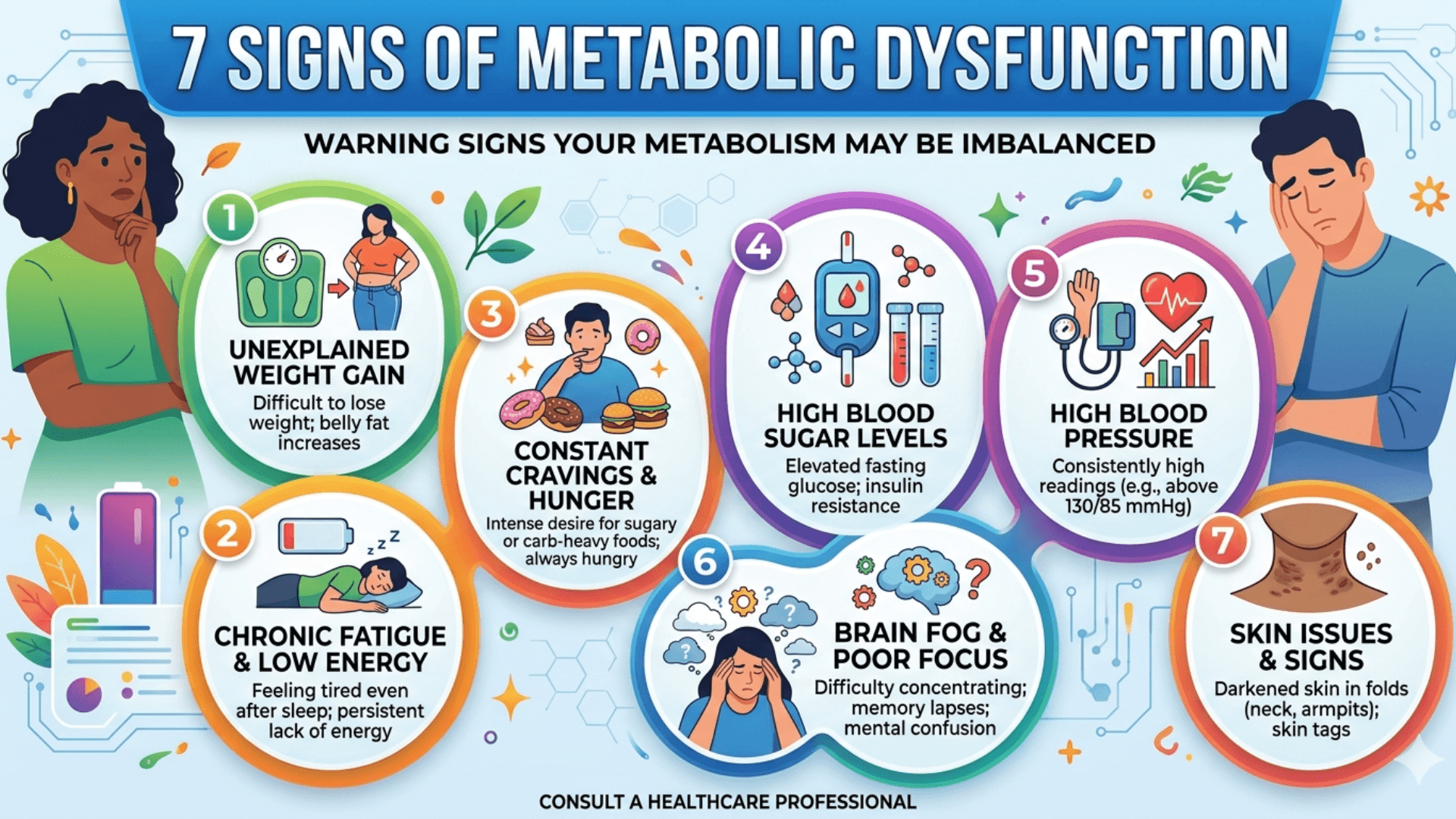
Early Warning Signs of Metabolic Dysfunction

Early Warning Signs of metabolic dysfunction

Discover the early warning signs of metabolic dysfunction, including fatigue, weight gain, blood sugar imbalance, and insulin resistance. Learn early warning symptoms and ways to improve metabolic health naturally.

Liver disease often develops quietly, especially when it is related to metabolic dysfunction. Metabolic Dysfunction–Associated Steatohepatitis (MASH) is an advanced stage of Metabolic Dysfunction–Associated Steatotic Liver Disease (MASLD), a condition in which excess fat accumulates in the liver.

In MASH, fat accumulation triggers inflammation and liver cell injury. Over time, this ongoing damage can lead to fibrosis, Cirrhosis, or even Hepatocellular Carcinoma.

What makes MASH particularly concerning is that many early symptoms are subtle and easy to dismiss. Recognizing these warning signs can help individuals seek medical attention before serious liver damage occurs.

1. Persistent Fatigue

One of the most frequently reported symptoms of MASH is unexplained fatigue.

People often describe feeling tired throughout the day, even after adequate sleep. This occurs because liver inflammation disrupts normal metabolism and energy regulation. The liver plays a critical role in processing nutrients and producing energy, so when its function is impaired, fatigue can become persistent.

Because tiredness is common in modern lifestyles, many people overlook this sign.

2. Discomfort in the Upper Right Abdomen

The liver is located in the upper right part of the abdomen, just beneath the rib cage. When inflammation develops, the liver may enlarge slightly.

This can cause:

  • A dull ache below the right ribs
  • A feeling of pressure or fullness
  • Mild pain that worsens after large meals

Although the discomfort is usually mild, persistent pain in this area may indicate underlying liver inflammation.

3. Gradual Abdominal Weight Gain

MASH is closely linked to metabolic disorders such as Obesity, Type 2 Diabetes, and Metabolic Syndrome.

Many people with metabolic liver disease develop central obesity, meaning fat accumulates primarily around the abdomen.

Excess abdominal fat contributes to insulin resistance, which increases the delivery of fatty acids to the liver and accelerates liver fat accumulation.

4. Yellowing of the Skin or Eyes (Jaundice)

As liver function declines, the body may struggle to process bilirubin, a pigment produced during the breakdown of red blood cells.

When bilirubin accumulates in the bloodstream, it causes jaundice, which appears as:

  • Yellowing of the skin
  • Yellow discoloration of the eyes
  • Dark urine or pale stools

Jaundice is often a sign of more advanced liver dysfunction and requires prompt medical evaluation.

5. Swelling in the Abdomen or Legs

Swelling in the abdomen or legs is a sign of advanced liver involvement. Abdominal swelling, known as Ascites, occurs when fluid builds up in the abdominal cavity. Swelling in the legs and feet, called Peripheral Edema, results from fluid accumulation in the tissues.

These symptoms develop due to portal hypertension (increased pressure in liver blood vessels) and reduced production of albumin, a protein that helps keep fluid within blood vessels. As liver function declines, fluid leaks into surrounding tissues, leading to visible swelling.

Patients may notice

  • Tight or distended abdomen
  • Rapid weight gain
  • Puffiness in the ankles or legs

especially by the end of the day.

6. Easy Bruising or Bleeding

The liver produces many proteins involved in blood clotting. When liver function declines, the production of these clotting factors decreases.

As a result, people with MASH may notice:

  • Frequent bruising
  • Bleeding that takes longer to stop
  • Occasional nosebleeds

These symptoms suggest impaired liver function and should not be ignored.

7. Brain Fog and Difficulty Concentrating

In Metabolic Dysfunction-Associated Steatotic Liver Disease, brain fog and difficulty concentrating are increasingly recognized as subtle but impactful symptoms. Patients may experience

  • mental fatigue
  • poor focus
  • forgetfulness
  • slowed thinking

even in early stages of the disease.

These cognitive changes are thought to result from chronic inflammation, insulin resistance, and disruptions in the gut–liver–brain axis. Accumulation of toxins and altered metabolism can affect neurotransmitter balance and brain function, leading to reduced mental clarity.

Severe cases may progress to Hepatic Encephalopathy, a neurological complication of advanced liver disease.

When to See a Doctor

Many people with metabolic liver disease do not experience noticeable symptoms until the condition has progressed. For this reason, individuals with metabolic risk factors should consider regular screening.

Medical evaluation may include:

  • Liver enzyme blood tests
  • Ultrasound or liver elastography
  • Additional imaging or biopsy if necessary

Early detection can help slow or even reverse liver damage.

Final Thoughts

MASH is a progressive condition, but it often develops silently. Symptoms such as fatigue, abdominal discomfort, unexplained weight gain, and jaundice may seem minor at first, yet they can signal underlying liver inflammation.

Recognizing these warning signs and addressing metabolic risk factors early can significantly reduce the risk of serious complications such as cirrhosis or liver cancer.

Disclaimer: The information provided in this blog post is for educational and informational purposes only and should not be considered medical advice. It is not intended to replace professional medical consultation, diagnosis, or treatment. Always seek the guidance of a qualified healthcare professional regarding any medical condition or health-related concerns. The author and publisher are not responsible for any actions taken based on the information presented in this article.
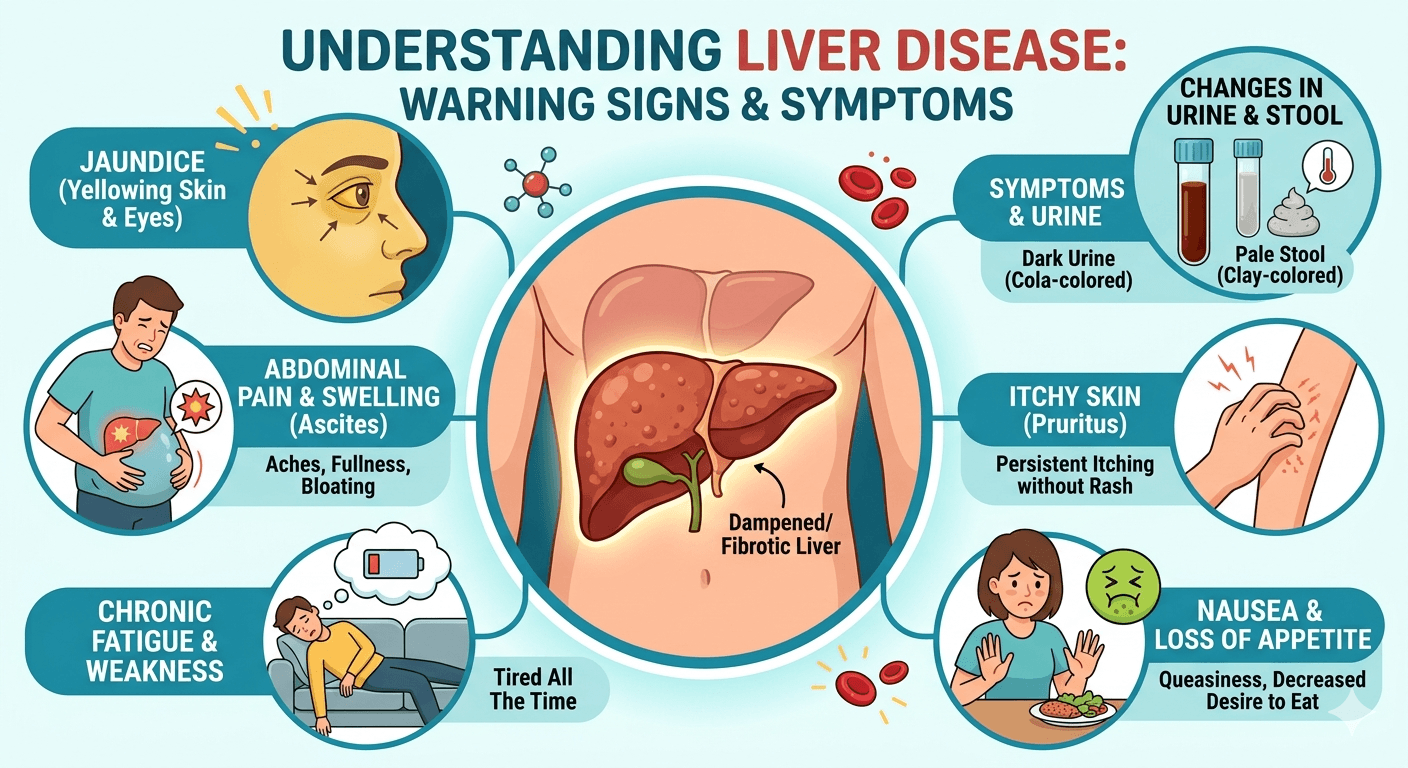
Fatty Liver Disease

Understanding liver disease, its warning signs and symptoms

Fatty Liver Disease

Fatty liver disease, also called hepatic steatosis, results when the liver accumulates too much fat. Although the liver should normally have small amounts of fat, too much fat accumulation may result in inflammation, damage to the liver, and even liver failure in advanced conditions. Fatty liver has become widespread globally, particularly in industrialized nations, and has close associations with contemporary lifestyle and diet.

There are two primary forms of fatty liver disease:

Non-Alcoholic Fatty Liver Disease (NAFLD)

Alcoholic Fatty Liver Disease (AFLD)

Even though both consist of fat deposition in the liver, their causes are quite different.

Causes of Non-Alcoholic Fatty Liver Disease (NAFLD)

NAFLD is the most prevalent condition of fatty liver disease and affects people who drink little or no alcohol. The progression of NAFLD is closely linked with metabolic health and lifestyle factors.

Chief Causes and Risk Factors:

 Obesity

Increased body fat, particularly visceral fat in the abdominal area, leads to the deposition of fat in the liver. Research indicates that as many as 90% of obese individuals have some degree of fatty liver.

 Type 2 Diabetes and Insulin Resistance

The insulin resistance results in high blood sugar and fat, favoring the storage of fat in the liver. Most individuals with type 2 diabetes also have NAFLD.

 High Cholesterol and Triglycerides

Dyslipidemia (abnormal lipid content in the blood) results in fat buildup in organs, including the liver.

 Poor Diet

Diets rich in refined carbohydrates, sweetened beverages, saturated fats, and highly processed foods are leading contributors to fat accumulation in the liver.

 Sedentary Lifestyle

Inactivity decelerates metabolism, which leads to weight gain and insulin resistance, both of which have been associated with fatty liver.

 Polycystic Ovary Syndrome (PCOS)

Women with PCOS tend to have insulin resistance and are more likely to have NAFLD.

 Sleep Apnea

This condition is associated with decreased oxygen levels in sleep, which can exacerbate fat accumulation and liver inflammation.

Causes of Alcoholic Fatty Liver Disease (AFLD)

AFLD is causally linked to excess and prolonged alcohol use. Alcohol is metabolized in the liver, and excessive consumption interferes with normal fat metabolism, resulting in fat accumulation.

Key Contributing Factors:

 Chronic Alcohol Use

Recurrent heavy alcohol use compromises the liver’s capacity to metabolize fats, resulting in their accumulation.

 Genetic Susceptibility

Genetic predisposition to liver injury from alcohol varies among individuals.

 Malnutrition

Alcoholics tend to have poor diets, which can worsen liver injury and compromise fat metabolism.

 Other Less Usual Causes of Fatty Liver

Starvation or rapid weight loss

Some medications (e.g., Tamoxifen, Methotrexate, corticosteroids)

Viral hepatitis

Genetic metabolic disorders (e.g., Wilson’s disease)

Conclusion

Fatty liver disease is an increasing global health issue, frequently progressing without symptom awareness. Awareness of the underlying causes specifically modifiable lifestyle habits such as diet, weight, and alcohol use is essential for prevention and treatment. Intervention with healthy lifestyle modifications early in the course of fatty liver often results in its reversal and avoids complications like cirrhosis, liver failure, or liver cancer.

Major Strategies to manage Fatty Liver Disease

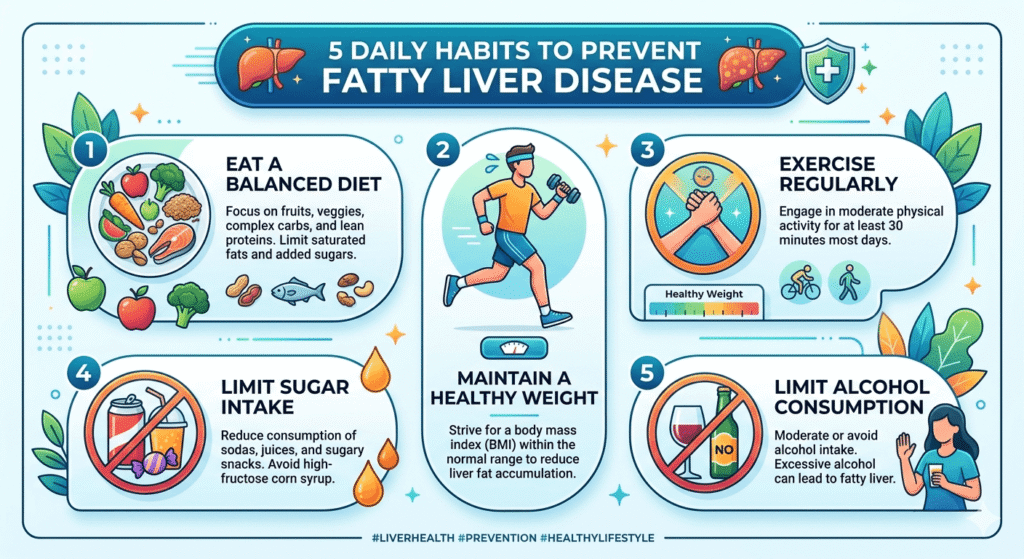
Daily Habits to Prevent Fatty Liver Disease

1. Lifestyle Changes

a. Weight Reduction.

Goal: 5–10% of body weight decrease

Even 5% body weight loss decreases liver fat.

10% loss can reverse inflammation and fibrosis in established disease.

b. Balanced Diet.

Emphasize:

Fresh fruits and vegetables

Whole grains

 Lean proteins (e.g., fish, chicken, legumes)

Healthy fats (e.g., nuts, olive oil, avocado)

Avoid:

 Sugar-sweetened beverages (e.g., soda, juice)

Refined carbohydrates (e.g., white bread, pastries)

Fried and processed foods

High fructose corn syrup (present in most packaged foods)

c. Regular Physical Activity.

Target: A minimum of 150 minutes of weekly moderate-intensity aerobic physical activity (e.g., brisk walking, swimming)

Regular strength training 2–3 times a week also enhances insulin sensitivity.

 Alcohol Management

AFLD: Total abstinence is required to avoid additional liver damage.

NAFLD: Even modest use of alcohol can exacerbate liver disease; abstinence or very strong restriction is advised.

 Control of Blood Sugar and Cholesterol

Control diabetes or prediabetes by diet, medications, and exercise.

Manage cholesterol and triglyceride levels with diet and medication if necessary.

 Medications (Only as Prescribed)

 Vitamin E: Potentially decreases inflammation in the liver in non-diabetics with NASH.

 Statins: May safely be used in most individuals with fatty liver to control cholesterol.

 Important: Always consult a medical professional before taking supplements or medication for fatty liver.

 Regular Monitoring and Medical Care

Liver function tests and ultrasound tests can be performed periodically to monitor progress.

FibroScan or liver biopsy can be necessary in advanced or doubtful cases.

 Treatment of Underlying Conditions

Hypothyroidism, sleep apnea, or polycystic ovary syndrome (PCOS) are conditions that can lead to fatty liver and must be treated accordingly.

Can Fatty Liver Be Reversed ?

Yes especially in the initial period, fatty liver can generally be reversed by losing weight, healthy diet, and regular exercise. Even late-stage cases may be stabilized or improved with proper care.