
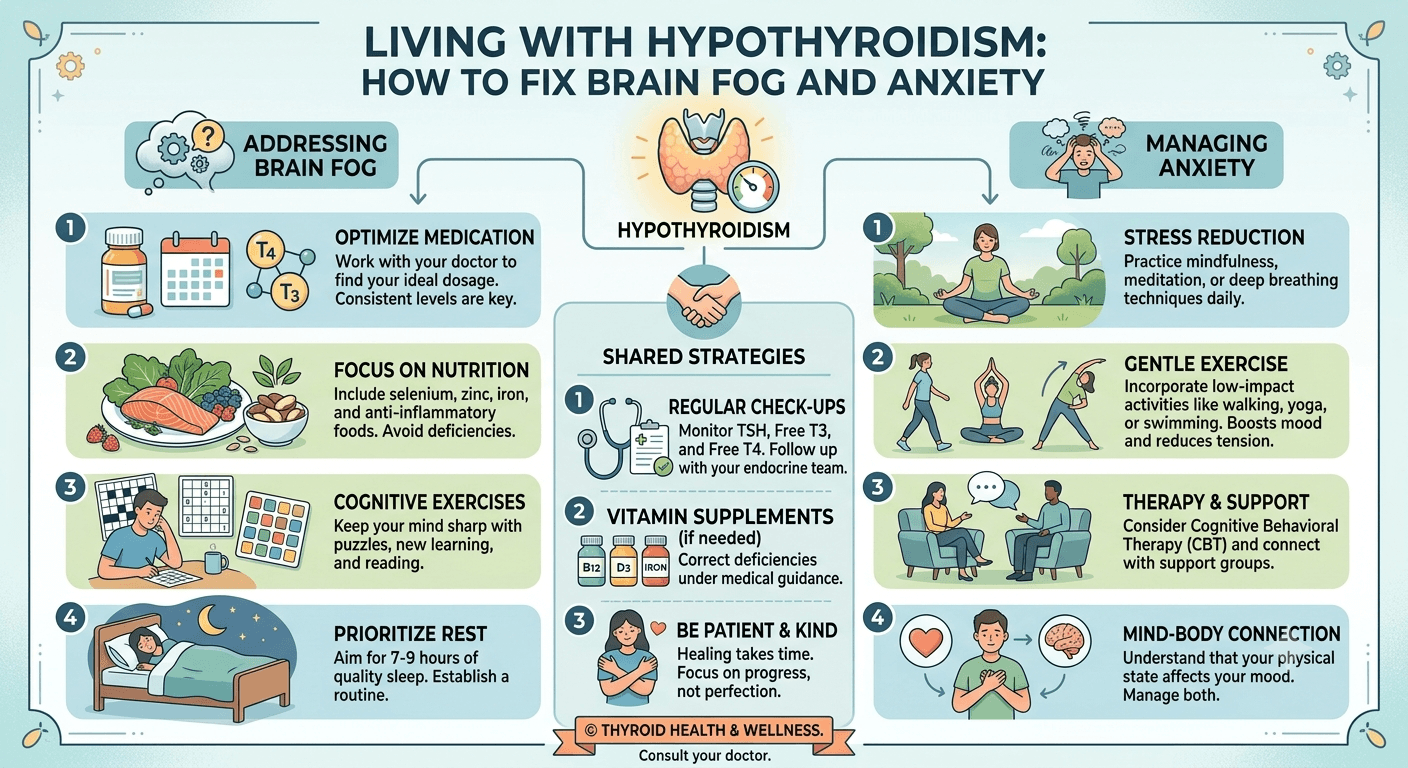
How to Fix Brain Fog and Anxiety
Introduction
That’s correct, Hypothyroidism is indeed one of the most common endocrine disorders worldwide. While many people Living With Hypothyroidism recognize symptoms such as fatigue, weight gain, dry skin, and cold intolerance. The cognitive and emotional effects of hypothyroidism are often underestimated. Patients frequently describe feeling mentally foggy, forgetful, slow to process information, and unusually anxious. These symptoms can significantly affect quality of life, work performance, academic achievement, and relationships.
Living With Hypothyroidism: How to Fix Brain Fog and Anxiety a comprehensive guide for patients and medical students covering causes, diagnosis, treatment, lifestyle strategies, and the science behind thyroid-related cognitive and mood symptoms.
For patients, understanding why these symptoms occur can be reassuring. For medical students, understanding the underlying pathophysiology provides valuable insight into the complex relationship between thyroid hormones, brain function, and mental health.
This article explores the causes of brain fog and anxiety in hypothyroidism and discusses evidence-based strategies to improve cognitive function and emotional well-being.
Understanding Hypothyroidism
Hypothyroidism occurs when the thyroid gland does not produce sufficient thyroid hormones, primarily thyroxine (T4) and triiodothyronine (T3). These hormones regulate metabolism throughout the body, including the brain.
https://www.youtube.com/watch?v=JBvkueM7lpw
Common causes include:
- Autoimmune thyroiditis (especially Hashimoto’s Thyroiditis)
- Thyroid surgery
- Radioactive iodine treatment
- Certain medications
- Congenital thyroid disorders
- Iodine deficiency
Thyroid hormones play critical roles in:
- Energy production
- Neuronal signaling
- Neurotransmitter regulation
- Memory formation
- Mood regulation
- Cognitive processing speed
When hormone levels decline, brain function may be affected long before laboratory abnormalities become severe.
What Is Brain Fog?
Brain fog is not a formal medical diagnosis. Instead, it is a collection of cognitive symptoms that patients commonly report.
Typical symptoms include:
- Difficulty concentrating
- Forgetfulness
- Slower thinking
- Reduced mental clarity
- Trouble finding words
- Difficulty multitasking
- Mental fatigue
- Reduced productivity
Patients often describe it as feeling like their brain is running through mud.
For medical students, these symptoms reflect disruptions in attention, executive function, working memory, and information processing speed.
Why Does Hypothyroidism Cause Brain Fog?
1. Reduced Cerebral Metabolism
Thyroid hormones increase metabolic activity throughout the body, including the brain.
In hypothyroidism:
- Neurons consume less energy
- Glucose utilization decreases
- Neural signaling slows
- Cognitive processing becomes less efficient
Brain imaging studies have demonstrated reduced cerebral blood flow and metabolic activity in untreated hypothyroidism.
2. Neurotransmitter Changes
Thyroid hormones influence several neurotransmitter systems:
- Serotonin
- Dopamine
- Norepinephrine
- GABA
Reduced thyroid hormone levels can alter neurotransmitter production and receptor sensitivity, contributing to cognitive slowing and mood symptoms.
3. Sleep Disturbance
Many hypothyroid patients experience:
- Excessive sleepiness
- Poor sleep quality
- Obstructive sleep apnea
- Non-restorative sleep
Sleep disruption alone can significantly worsen cognitive function.
4. Inflammation and Autoimmunity
In autoimmune thyroid disease, inflammatory cytokines may impact brain function independently of thyroid hormone levels.
Some patients continue to report cognitive symptoms despite apparently normal laboratory results, suggesting that inflammation may contribute to persistent symptoms.
The Connection Between Hypothyroidism and Anxiety
Many people assume hypothyroidism causes only depression. However, anxiety is also common.
Symptoms may include:
- Excessive worry
- Irritability
- Restlessness
- Panic attacks
- Social anxiety
- Feeling overwhelmed
Studies suggest that thyroid dysfunction affects multiple brain regions involved in emotional regulation, including:
- Amygdala
- Hippocampus
- Prefrontal cortex
These structures rely on normal thyroid hormone signaling for optimal function.
Why Anxiety Can Persist Even After Treatment
Some patients continue to experience anxiety despite achieving normal thyroid function tests.
Possible explanations include:
Residual Neurochemical Changes
The brain may require months to fully adapt after thyroid hormone levels normalize.
Coexisting Mental Health Conditions
Patients with hypothyroidism may also have:
- Generalized anxiety disorder
- Depression
- Panic disorder
- Health anxiety
These conditions often require separate treatment.
Lifestyle Factors
Persistent anxiety may be aggravated by:
- Poor sleep
- Chronic stress
- Nutritional deficiencies
- Sedentary behavior
- Excessive caffeine consumption
The First Step: Optimize Thyroid Hormone Replacement
For most patients, effective treatment begins with appropriate thyroid hormone replacement.
The most commonly prescribed therapy is:
- Levothyroxine
Key principles include:
- Taking medication consistently
- Taking it on an empty stomach
- Avoiding interference from calcium or iron supplements
- Monitoring thyroid function regularly
Medical students should remember that treatment targets are individualized. A laboratory value within the reference range does not always guarantee symptom resolution. Persistent symptoms warrant a comprehensive evaluation rather than automatic dose escalation
Addressing Common Nutritional Deficiencies
Several nutritional deficiencies can mimic or worsen brain fog and anxiety.
Iron Deficiency
Iron supports:
- Oxygen transport
- Dopamine production
- Cognitive performance
Low ferritin levels may contribute to fatigue and poor concentration.
Vitamin B12 Deficiency
Deficiency may cause:
- Memory problems
- Cognitive slowing
- Neuropathy
- Mood disturbances
Vitamin D Deficiency
Low vitamin D levels have been associated with:
- Depression
- Anxiety
- Fatigue
Selenium
Selenium participates in thyroid hormone metabolism and antioxidant defense.
Dietary sources include:
- Brazil nuts
- Seafood
- Eggs
Supplementation should only be considered when clinically appropriate.
Improving Brain Fog Through Sleep Optimization
Sleep is one of the most powerful interventions for cognitive recovery.
Practical Strategies
- Maintain a consistent sleep schedule
- Avoid screens before bedtime
- Limit caffeine in the afternoon
- Keep the bedroom cool and dark
- Evaluate for sleep apnea if symptoms suggest it
Many patients notice meaningful improvements in concentration after improving sleep quality.
Exercise: A Natural Brain Booster
Physical activity improves:
- Cerebral blood flow
- Neuroplasticity
- Mood regulation
- Insulin sensitivity
- Energy levels
Recommended activities include:
Aerobic Exercise
Examples:
- Walking
- Cycling
- Swimming
- Jogging
Resistance Training
Strength training supports:
- Metabolic health
- Cognitive performance
- Psychological well-being
Even 20–30 minutes of moderate activity most days can improve mental clarity.
Managing Anxiety Effectively
Cognitive Behavioral Therapy (CBT)
Cognitive Behavioral Therapy is among the most effective treatments for anxiety.
CBT helps patients:
- Identify negative thought patterns
- Reduce catastrophic thinking
- Build coping skills
- Improve resilience
Mindfulness and Meditation
Research suggests mindfulness practices can:
- Reduce stress hormones
- Improve emotional regulation
- Enhance attention and focus
Even 10 minutes daily may provide measurable benefits.
Dietary Approaches for Better Cognitive Function
No special “thyroid diet” cures hypothyroidism, but healthy nutrition supports recovery.
Focus On
- Lean proteins
- Vegetables
- Fruits
- Whole grains
- Healthy fats
Brain-Supportive Foods
Examples include:
- Fatty fish
- Nuts
- Seeds
- Olive oil
- Berries
These foods provide nutrients that support neuronal function and reduce inflammation.
When Brain Fog Is Not Just Hypothyroidism
Persistent symptoms deserve further evaluation.
Possible alternative or additional causes include:
- Sleep apnea
- Depression
- Anxiety disorders
- ADHD
- Anemia
- Chronic fatigue syndrome
- Medication side effects
- Long COVID
- Menopause
- Vitamin deficiencies
Clinicians should avoid attributing every symptom solely to thyroid disease.
Special Considerations for Medical Students
Medical students frequently encounter patients who report symptoms despite “normal” laboratory results.
Important clinical lessons include:
Treat the Patient, Not Just the Lab Values
Laboratory normalization does not always equal symptom resolution.
Consider Comorbidities
Fatigue, cognitive dysfunction, and anxiety are multifactorial.
Avoid Premature Diagnostic Closure
Always maintain a broad differential diagnosis.
Listen to Patient Experiences
Subjective symptoms provide valuable clinical information that may not be reflected in laboratory tests alone.
Frequently Asked Questions (FAQs)
1. Can hypothyroidism cause severe brain fog?
Yes. Cognitive slowing, memory difficulties, and poor concentration are common manifestations of untreated hypothyroidism.
2. How long does it take for brain fog to improve after starting treatment?
Many patients improve within weeks, but complete recovery may take several months depending on severity and duration of disease.
3. Can anxiety occur with hypothyroidism?
Yes. Although depression is more commonly recognized, anxiety can also occur due to thyroid hormone effects on neurotransmitters and brain function.
4. Does increasing thyroid medication always fix brain fog?
No. Persistent symptoms may be related to sleep disorders, nutritional deficiencies, mental health conditions, or other medical problems.
5. Which vitamin deficiencies are commonly associated with hypothyroidism?
Iron, vitamin B12, and vitamin D deficiencies are frequently encountered and may contribute to fatigue and cognitive symptoms.
6. Is exercise safe for people with hypothyroidism?
In most cases, yes. Regular physical activity improves mood, cognition, cardiovascular health, and overall quality of life.
7. Can Hashimoto’s thyroiditis affect the brain directly?
Emerging evidence suggests that autoimmune activity and inflammatory pathways may contribute to cognitive symptoms in some individuals, though thyroid hormone deficiency remains the primary mechanism.
Conclusion
Living with hypothyroidism can be challenging, particularly when brain fog and anxiety interfere with daily life. Fortunately, these symptoms are often manageable with a comprehensive approach that includes optimized thyroid hormone replacement, adequate sleep, regular exercise, nutritional assessment, stress management, and treatment of coexisting medical or psychological conditions.
For patients, the key message is that persistent cognitive and emotional symptoms are real and deserve attention. For medical students, hypothyroidism offers an important example of how endocrine disorders can profoundly influence brain function and mental health. Understanding this connection allows clinicians to provide more holistic and effective care.
By addressing both the biochemical and lifestyle factors involved, many individuals with hypothyroidism can achieve substantial improvements in mental clarity, emotional stability, and overall quality of life.
Disclaimer: The information provided in this blog post is for educational and informational purposes only and should not be considered medical advice. It is not intended to replace professional medical consultation, diagnosis, or treatment. Always seek the guidance of a qualified healthcare professional regarding any medical condition or health-related concerns. The author and publisher are not responsible for any actions taken based on the information presented in this article.