
Introduction
The endocrine system is made up of glands that produce hormones responsible for regulating many important body functions, including metabolism, growth, mood, sleep, reproduction, and energy levels. Key glands in this system include the thyroid, pituitary, adrenal glands, pancreas, ovaries, testes, and parathyroid glands. These glands release hormones into the bloodstream to help the body maintain internal balance.
When the endocrine system is not functioning properly, hormone levels may become too high or too low. This imbalance can impact multiple organs and may eventually lead to serious health conditions. Because endocrine disorders often develop gradually, early symptoms are frequently overlooked or mistaken for common issues like tiredness, stress, or weight fluctuations.
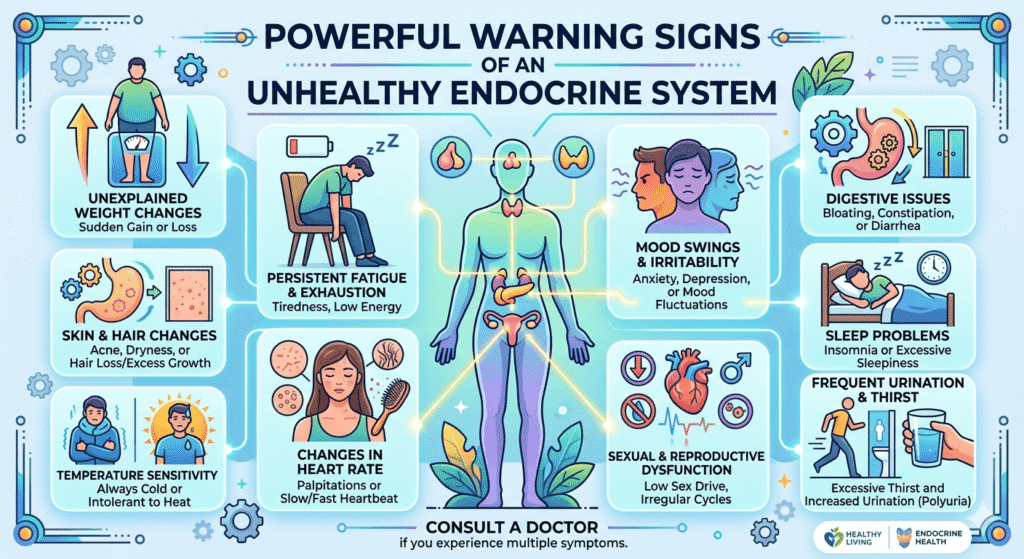
Discover the powerful Unhealthy Endocrine System Warning Signs, including fatigue, weight changes, mood swings, and hormonal imbalance symptoms you should never ignore.
How the Endocrine System Functions
Hormones act as chemical messengers that help regulate many bodily processes, such as:
- Blood sugar regulation
- Metabolism
- Growth and development
- Stress management
- Blood pressure control
- Reproductive processes
- Sleep cycles
- Emotional well-being
- Bone strength
- Appetite and digestion
Even slight hormonal changes can produce noticeable physical and emotional symptoms.
Common Signs of an Unhealthy Endocrine System
1. Ongoing Fatigue and Low Energy
Persistent exhaustion is one of the most frequent symptoms of hormonal imbalance. Problems involving the thyroid, adrenal glands, or pancreas can interfere with energy production and metabolism.
Possible Causes
- Hypothyroidism
- Adrenal gland insufficiency
- Diabetes
- Growth hormone abnormalities
Related Symptoms
- Weakness
- Daytime drowsiness
- Difficulty focusing
- Lack of motivation
- Reduced endurance
Unlike normal tiredness, endocrine-related fatigue often continues even after adequate rest.
2. Unexpected Weight Changes
Rapid or unexplained weight gain or weight loss may signal a hormonal disorder.
Weight Gain May Be Linked To
- Hypothyroidism
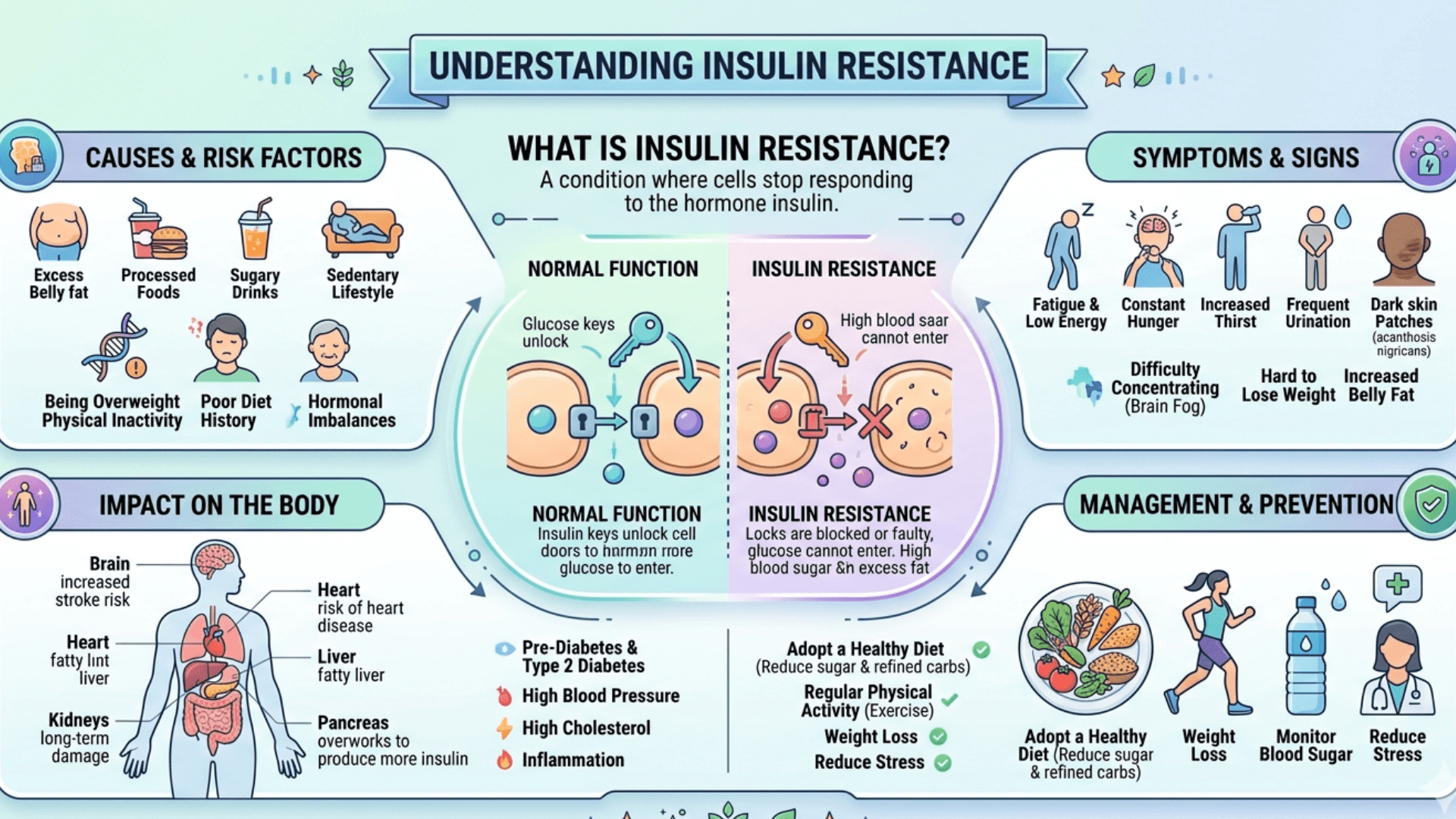
- Insulin resistance
- Cushing syndrome
- Polycystic ovary syndrome (PCOS)
Weight Loss May Occur In
- Hyperthyroidism
- Poorly controlled diabetes
- Adrenal disorders
Hormones play a major role in controlling metabolism, appetite, and fat storage, so imbalances can significantly affect body weight.
3. Mood and Emotional Changes
Hormones greatly influence mental health and emotional stability. Endocrine disorders may contribute to various psychological symptoms.
Common Symptoms
- Anxiety
- Depression
- Irritability
- Mood swings
- Trouble concentrating
- Memory difficulties
Conditions involving the thyroid, adrenal glands, or blood sugar regulation are commonly associated with emotional changes.
4. Sleep Problems
Hormonal imbalances may disrupt healthy sleep patterns.
Common Sleep Issues
- Insomnia
- Excessive sleepiness
- Frequent nighttime waking
- Poor-quality sleep
- Difficulty falling asleep
Disorders affecting cortisol, melatonin, thyroid hormones, or blood sugar levels may interfere with restful sleep.
5. Excessive Thirst and Frequent Urination
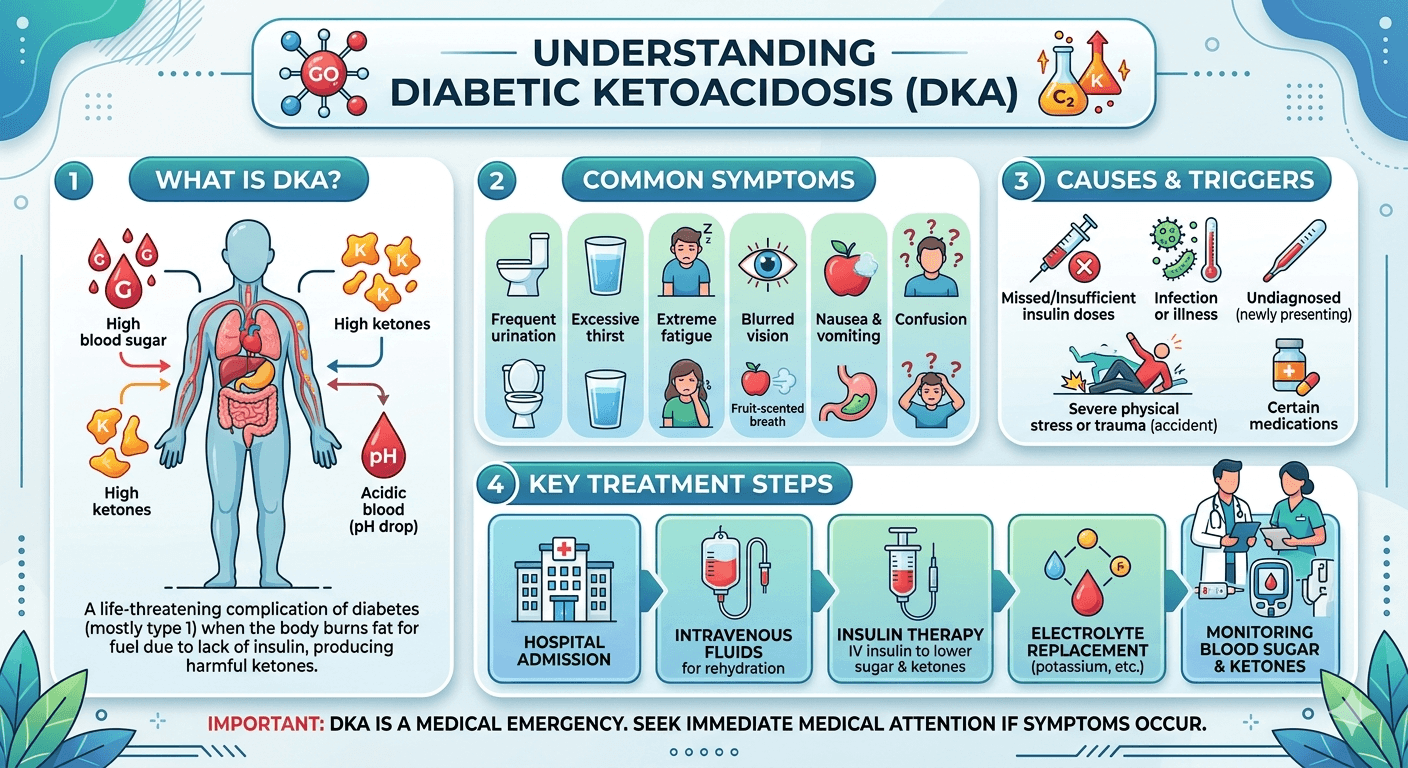
These symptoms are often associated with endocrine disorders such as diabetes.
Conditions Commonly Linked
- Type 1 diabetes
- Type 2 diabetes
- Diabetes insipidus
High blood sugar levels force the kidneys to remove excess glucose through urine, leading to dehydration and increased thirst.
6. Appetite Changes
Hormonal problems can affect hunger and eating habits.
Increased Appetite
May occur with:
- Hyperthyroidism
- Diabetes
- Elevated cortisol levels
Reduced Appetite
May occur with:
- Adrenal insufficiency
- Hypothyroidism
- Severe metabolic conditions
Persistent appetite changes should be evaluated, especially if accompanied by weight changes.
7. Hair and Skin Changes
Hormones directly affect hair growth and skin health.
Hair Symptoms
- Hair thinning
- Hair loss
- Brittle hair
- Excess facial hair in women
Skin Symptoms
- Dry skin
- Excessive sweating
- Acne
- Dark skin patches
- Fragile skin
- Stretch marks
Conditions such as thyroid disease, PCOS, diabetes, and adrenal disorders often cause visible changes in the skin and hair.
8. Menstrual Irregularities and Fertility Issues
Hormonal balance is essential for reproductive health.
In Women
- Irregular periods
- Heavy menstrual bleeding
- Missed periods
- Difficulty conceiving
- Infertility
- Acne
- Excess facial hair
In Men
- Low sex drive
- Erectile dysfunction
- Infertility
- Loss of muscle mass
Disorders involving estrogen, progesterone, testosterone, prolactin, or thyroid hormones can interfere with fertility and reproductive function.
9. Sensitivity to Heat or Cold
People with endocrine disorders may struggle to tolerate certain temperatures.
- Cold intolerance is common in hypothyroidism.
- Heat intolerance is often linked to hyperthyroidism.
This occurs because thyroid hormones help regulate body temperature and metabolism.
10. Digestive Issues
Hormonal imbalances can affect digestion and bowel function.
Possible Symptoms
- Constipation
- Diarrhea
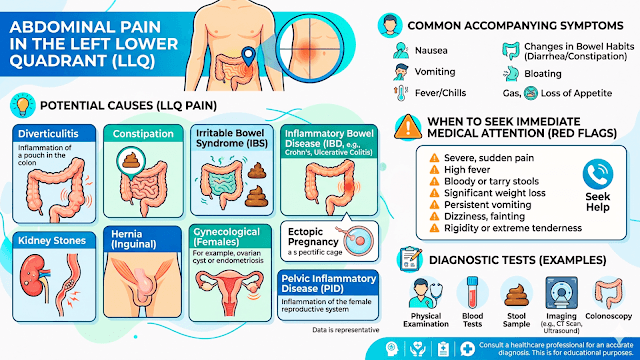
- Bloating
- Nausea
- Slowed digestion
Thyroid disorders frequently contribute to digestive changes.
11. Muscle Weakness and Joint Pain
An unhealthy endocrine system can affect muscles and bones.
Common Symptoms
- Muscle weakness
- Muscle cramps
- Joint discomfort
- Bone pain
- Reduced physical performance
Conditions involving the thyroid, adrenal glands, or parathyroid glands may contribute to these symptoms.
12. Blood Pressure and Heart Rate Changes
Hormonal disorders can impact cardiovascular health.
Possible Signs
- Rapid heartbeat
- Heart palpitations
- High blood pressure
- Dizziness
- Irregular heartbeat
Adrenal and thyroid disorders commonly affect heart function and circulation.
13. Delayed Growth or Puberty Problems
In children and teenagers, endocrine disorders may interfere with normal development.
Warning Signs
- Delayed growth
- Early puberty
- Delayed puberty
- Short stature
- Poor bone growth
Growth hormone deficiencies and thyroid disorders are common causes.
Causes of Endocrine Disorders
Several factors can contribute to hormonal imbalance, including:
- Autoimmune diseases
- Genetic conditions
- Chronic stress
- Poor diet
- Obesity
- Diabetes
- Tumors affecting endocrine glands
- Infections
- Certain medications
- Toxin exposure
- Aging
- Lack of physical activity
Autoimmune disorders such as Hashimoto’s thyroiditis and Graves’ disease are especially common.
Risk Factors
Some individuals are more likely to develop endocrine disorders.
Major Risk Factors
- Family history of hormonal disorders
- Obesity
- Smoking
- Chronic stress
- Poor sleep habits
- Physical inactivity
- Pregnancy-related hormonal shifts
- Autoimmune diseases
- Older age
Lifestyle and environmental influences can strongly affect endocrine health.
Complications of Untreated Endocrine Disorders
Without proper treatment, endocrine conditions can lead to serious complications, including:
- Diabetes-related complications
- Heart disease
- Infertility
- Osteoporosis
- Kidney damage
- Vision problems
- Nerve damage
- Severe metabolic imbalance
- Mental health disorders
- Obesity-related complications
Early treatment can help reduce long-term health risks.
Diagnosing Endocrine Disorders
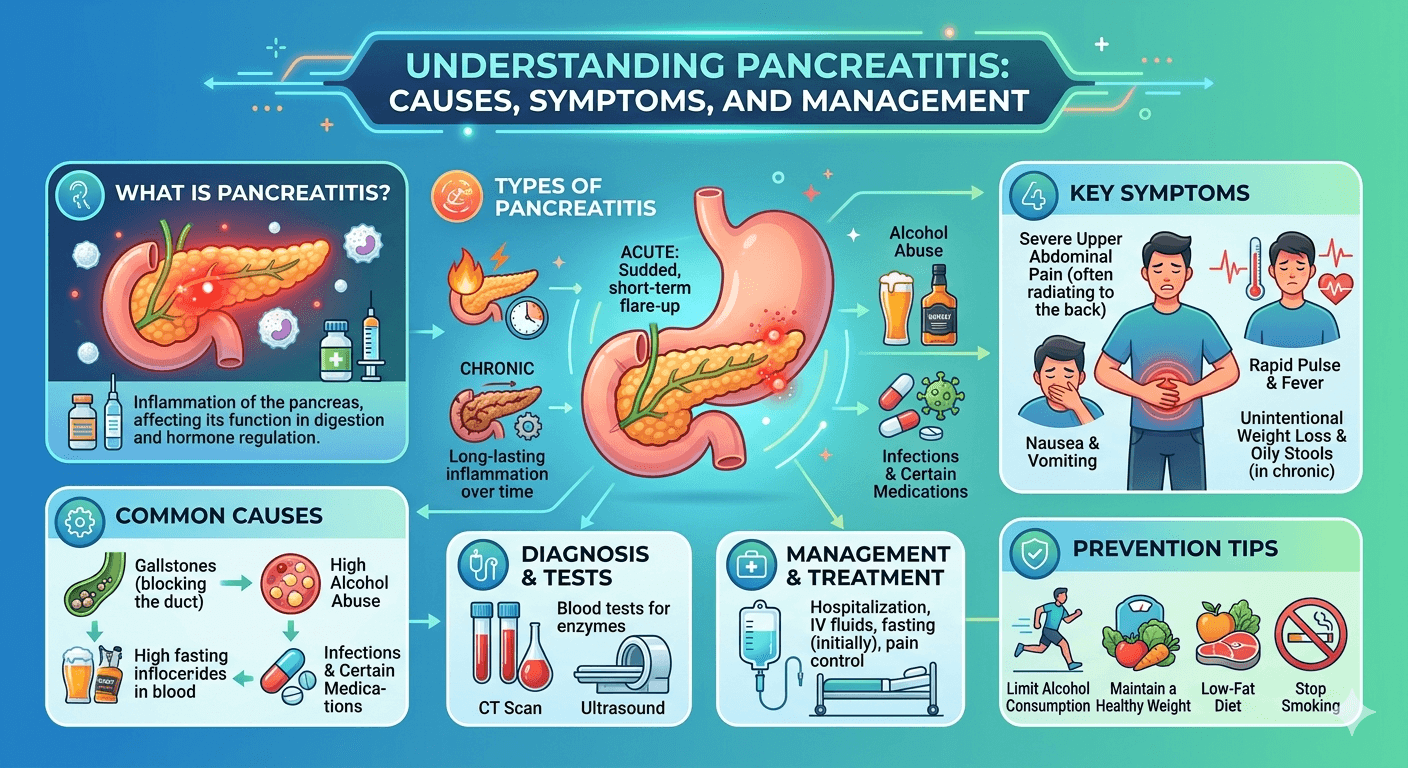
Doctors typically use physical exams, symptom reviews, and laboratory tests to diagnose endocrine conditions.
Common Diagnostic Methods
Medical Evaluation
Doctors assess symptoms, family history, weight changes, and physical findings.
Blood Tests
These may include:
- Thyroid hormone testing
- Blood glucose testing
- Insulin levels
- Cortisol testing
- Reproductive hormone panels
- Growth hormone evaluation
Imaging Tests
Imaging may involve:
- Ultrasound
- CT scans
- MRI scans
- Bone density scans
Specialized Hormone Testing
Some tests evaluate gland function under different conditions.
Treatment and Management
Lifestyle Changes
Healthy habits can support hormone balance.
Recommended Strategies
- Eat a balanced diet
- Exercise regularly
- Maintain a healthy weight
- Get enough sleep
- Reduce stress
- Stop smoking
- Limit alcohol intake
Medications
Treatment depends on the specific condition.
Common Medications
- Thyroid hormone replacement
- Insulin therapy
- Diabetes medications
- Hormonal contraceptives
- Corticosteroids
- Drugs that reduce hormone overproduction
Treatment plans should always be personalized.
Surgical Treatment
Some endocrine disorders may require surgery.
Examples Include
- Thyroid gland surgery
- Adrenal tumor removal
- Pituitary surgery
- Pancreatic procedures
Ongoing Monitoring
Many endocrine disorders require long-term management.
Monitoring May Include
- Hormone testing
- Blood pressure monitoring
- Blood sugar checks
- Weight tracking
- Bone health evaluations
Tips for Supporting Endocrine Health
Although not every endocrine disorder can be prevented, healthy habits may reduce the risk.
Prevention Strategies
- Follow a nutrient-rich diet
- Stay physically active
- Maintain a healthy body weight
- Manage stress effectively
- Get enough sleep
- Avoid smoking
- Minimize exposure to harmful chemicals
- Schedule routine medical checkups
- Manage chronic illnesses early
Good metabolic health supports proper hormone function.
When to See a Doctor
Seek medical attention if you experience symptoms such as:
- Persistent fatigue
- Sudden weight changes
- Severe mood changes
- Excessive thirst or frequent urination
- Irregular menstrual cycles
- Significant hair loss or skin changes
- High blood pressure
- Rapid heartbeat
- Fertility issues
- Unexplained weakness
Prompt medical care can improve outcomes and reduce complications.
Conclusion
The endocrine system is essential for maintaining overall health and internal balance. Hormonal disorders can affect metabolism, energy levels, mood, growth, reproductive health, heart function, and many other bodily processes. Symptoms such as fatigue, unexplained weight changes, sleep disturbances, mood swings, hair loss, and blood sugar abnormalities may indicate an unhealthy endocrine system.
Recognizing these warning signs early can help individuals receive timely treatment and avoid long-term complications. Healthy lifestyle choices, regular checkups, and proper management of chronic conditions are important for maintaining hormonal balance and overall well-being.