
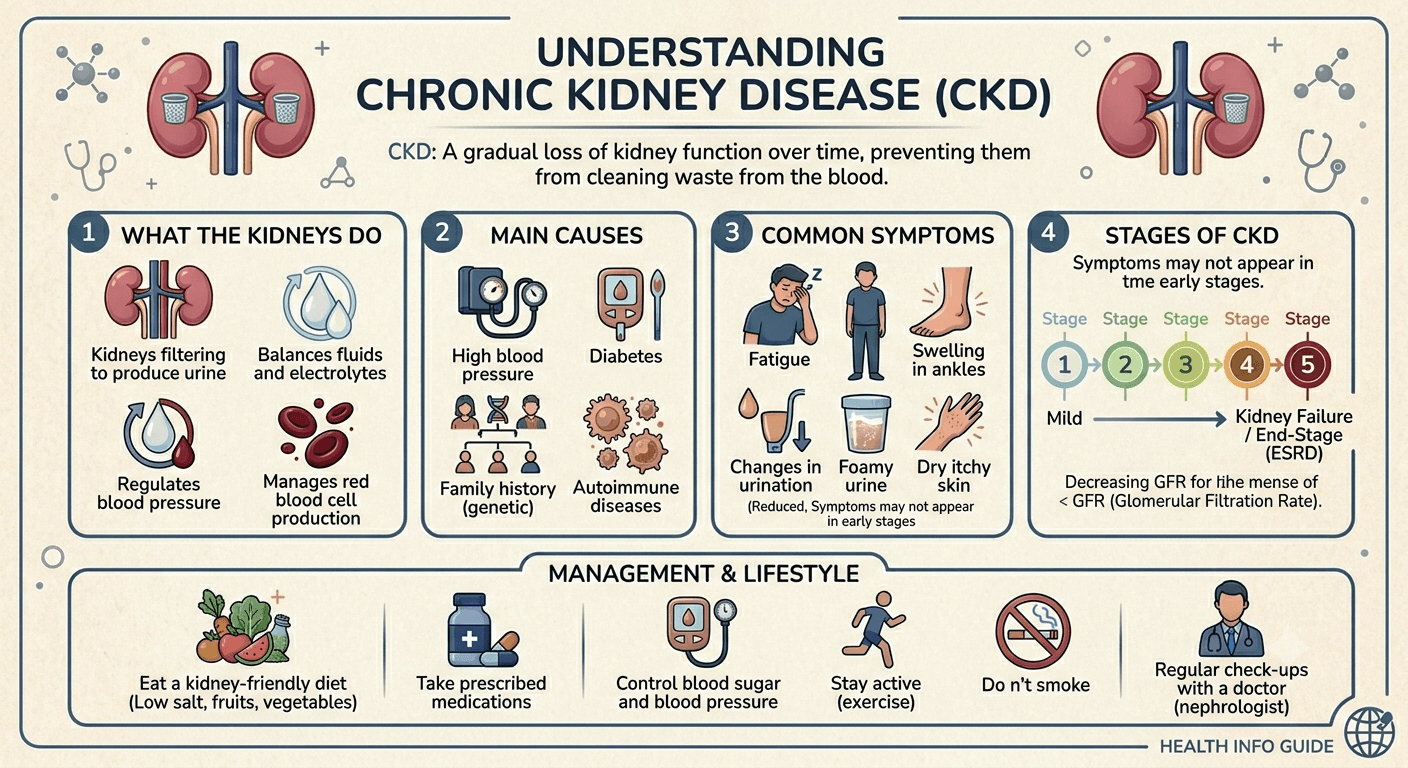
Understanding Chronic Kidney Disease (CKD): A Comprehensive Guide
Here is a complete guide to Chronic Kidney Disease (CKD). Learn about symptoms, causes, early warning signs, and treatment of this condition and turn complicated clinical data into easily digestible and perfect for patients and caregivers.
Introduction
Chronic Kidney Disease is a condition whereby there is deterioration in the performance of the kidney in ridding the body of toxic substances. This is so because most cases of kidney impairment take place gradually over periods of several weeks or even years. The consequence of this is that one takes some time to figure out that one suffers from chronic kidney disease. CKD is one of the biggest health threats in the contemporary world due to the fact that millions of people suffer from this disease. Which increases the likelihood of contracting diseases such as high blood pressure, anemia, heart problems, and kidney failure.
Patients suffering from CKD are generally concerned about their future; for instance, they may be asking themselves such questions as, Will I have renal failure? How will this affect me? These are just a few of the concerns of the patients; on the other hand, medical students may be interested in getting the facts and a clear understanding of this condition.
Here is a complete guide to Chronic Kidney Disease (CKD). Learn about symptoms, causes, early warning signs, and treatment of this condition and turn complicated clinical data into easily digestible and perfect for patients and caregivers.
What Is Chronic Kidney Disease?
https://www.youtube.com/watch?v=BCb0lFZfyD0
Chronic Kidney Disease (CKD) is a long-term condition in which the kidneys gradually lose their ability to filter waste products, excess fluids, and toxins from the blood.
CKD is typically defined as:
- Kidney damage lasting 3 months or longer, or
- A glomerular filtration rate (GFR) below 60 mL/min/1.73 m² for at least 3 months.
The condition impacts millions of people worldwide and is a major cause of illness and premature death. Because kidney damage often develops slowly, many people do not realize they have CKD until significant loss of function has occurred.
Kidney Anatomy and Function
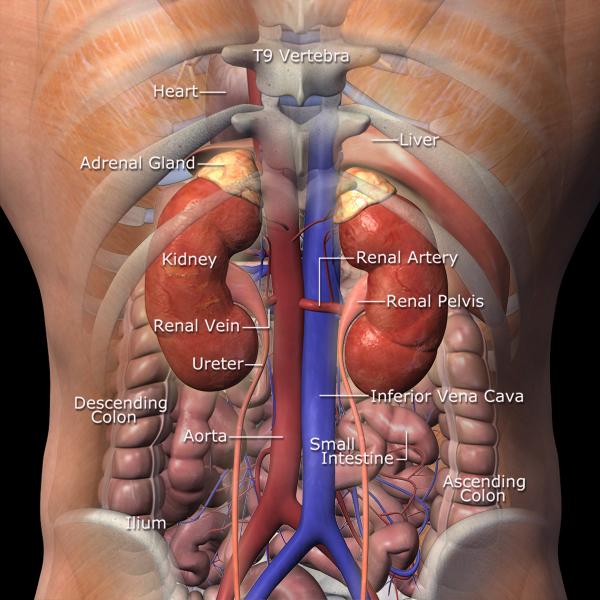
The kidneys are two bean-shaped organs located in the back of the abdomen, on either side of the spine, just below the rib cage. Each kidney contains approximately one million filtering units called nephrons.
What Do the Kidneys Do?
The kidneys perform several essential functions:
1. Blood Filtration
They remove waste products such as:
- Urea
- Creatinine
- Toxins
2. Fluid Balance
They regulate the amount of water in the body.
3. Electrolyte Regulation
They maintain healthy levels of:
- Sodium
- Potassium
- Calcium
- Phosphate
4. Blood Pressure Control
They help regulate blood pressure through the renin-angiotensin-aldosterone system (RAAS).
5. Red Blood Cell Production
They produce erythropoietin, a hormone that stimulates red blood cell formation.
6. Bone Health
They activate vitamin D, which supports calcium absorption and bone strength.
Causes of Chronic Kidney Disease
CKD is not a single disease. Instead, it is the result of many different conditions that damage the kidneys over time.
Common Causes
Diabetes Mellitus
Diabetes mellitus is the most common cause worldwide.
High blood sugar damages the tiny blood vessels in the kidneys, leading to diabetic nephropathy.
Hypertension (High Blood Pressure)
Persistently elevated blood pressure (hypertension) damages kidney blood vessels and filtering units.
Glomerulonephritis
A group of disorders involving inflammation of the kidney’s filtering structures (glomeruli).
Polycystic Kidney Disease
An inherited condition characterized by multiple kidney cysts that gradually impair kidney function.
Less Common Causes
Autoimmune Diseases
Examples include:
- Systemic Lupus Erythematosus
- Vasculitis
- Goodpasture syndrome
Chronic Infections
Examples include:
- Chronic hepatitis B
- Chronic hepatitis C
- HIV infection
- Viral hepatitis
Obstructive Uropathy
Blockage of urine flow due to:
- Kidney stones
- Enlarged prostate
- Urinary tract abnormalities
Drug-Induced Kidney Damage
Long-term exposure to:
- Certain pain medications
- Some antibiotics
- Chemotherapy agents
Genetic Disorders: Inherited conditions can predispose individuals to kidney dysfunction.
Risk Factors
Certain factors increase the likelihood of developing CKD:
- Diabetes
- High blood pressure
- Obesity
- Smoking
- Cardiovascular disease
- Family history of kidney disease
- Older age
- Chronic use of nephrotoxic medications
Stages of Chronic Kidney Disease
CKD is classified into five stages based primarily on GFR.
| Stage | GFR (mL/min/1.73m²) | Description |
| 1 | ≥90 | Kidney damage with normal function |
| 2 | 60–89 | Mild reduction |
| 3a | 45–59 | Mild-to-moderate reduction |
| 3b | 30–44 | Moderate-to-severe reduction |
| 4 | 15–29 | Severe reduction |
| 5 | <15 | Kidney failure (end-stage kidney disease) |
Symptoms of Chronic Kidney Disease
One of the most challenging aspects of CKD is that symptoms often develop gradually.
Early Symptoms
Many patients have no symptoms at all.
Possible early signs include:
- Fatigue
- Mild swelling in the ankles
- Increased urination at night
- Elevated blood pressure
Progressive Symptoms
As kidney function declines, patients may experience:
Fluid Retention
Leading to:
- Swollen feet
- Leg swelling
- Puffiness around the eyes
Fatigue and Weakness
Typically caused by anemia and toxin buildup.
Nausea and Vomiting
Waste products accumulating in the bloodstream can irritate the digestive system.
Loss of Appetite
Patients may notice reduced interest in food and unintentional weight loss.
Itching
Known as uremic pruritus, frequently due to waste accumulation.
Muscle Cramps
Related to electrolyte imbalances.
Difficulty Concentrating
Sometimes referred to as brain fog.
Shortness of Breath
Can result from fluid overload or anemia.
How Chronic Kidney Disease Is Diagnosed
Diagnosis involves a combination of history, examination, laboratory testing, and imaging.
Medical History
Doctors assess:
- Diabetes history
- Hypertension history
- Family history
- Medication use
- Symptoms
Physical Examination
Healthcare providers may look for:
- High blood pressure
- Edema (swelling)
- Signs of fluid overload
- Evidence of underlying systemic disease
Blood Tests
Serum Creatinine
Used to estimate kidney function.
Estimated GFR (eGFR)
Provides a measure of filtration capacity.
Electrolytes
Assess abnormalities in:
- Potassium
- Sodium
- Calcium
- Phosphate
Complete Blood Count
May reveal anemia.
Urine Tests
Urinalysis
Can detect:
- Protein
- Blood
- Infection
Albumin-to-Creatinine Ratio
A key test for early kidney damage.
Imaging Studies
Ultrasound
Frequently the first imaging study performed.
It can evaluate:
- Kidney size
- Obstruction
- Structural abnormalities
CT Scan
Provides more detailed anatomical information.
MRI
Useful in selected patients when further characterization is needed.
Kidney Biopsy
In certain situations, a small tissue sample is obtained to identify the exact cause of kidney disease.
A biopsy may be especially useful when:
- The diagnosis is unclear
- Glomerular disease is suspected
- Treatment decisions depend on pathology findings
Complications of Chronic Kidney Disease
CKD affects far more than the kidneys alone.
Cardiovascular Disease
Heart attacks and strokes are major causes of death in CKD patients.
Anemia
Reduced erythropoietin production leads to fewer red blood cells.
Bone Disease
Abnormal calcium, phosphate, and vitamin D metabolism weakens bones.
Electrolyte Imbalances
Particularly elevated potassium levels, which can become life-threatening.
Fluid Overload
Can cause:
- Swelling
- High blood pressure
- Heart failure
- Pulmonary edema
Metabolic Acidosis
An excess of acid in the body due to impaired kidney function.
Uremia
A buildup of waste products that can impact multiple organ systems.
Treatment of Chronic Kidney Disease
A crucial principle is:
CKD treatment focuses on slowing disease progression and addressing the underlying cause.
Managing Diabetes
Careful blood sugar control helps reduce kidney damage.
Controlling Blood Pressure
Target blood pressure goals often require:
- Lifestyle modification
- Medications
Commonly used drugs include:
- ACE inhibitors
- ARBs
These medications can protect kidney function in many patients.
Dietary Management
Patients may be advised to:
- Limit sodium intake
- Moderate protein consumption
- Restrict phosphorus if needed
- Control potassium intake in advanced disease
Treating Anemia
Treatment may include:
- Iron supplementation
- Erythropoiesis-stimulating agents
Managing Bone and Mineral Disorders
This may involve:
- vitamin D therapy
- Phosphate binders
- Dietary adjustments
Lifestyle Modifications
Important measures include:
- Smoking cessation
- Regular exercise
- Weight management
- Limiting alcohol
- Adequate sleep
Dialysis
When kidney function becomes severely impaired, dialysis may be required.
Hemodialysis
Blood is filtered through a machine.
Peritoneal Dialysis
The lining of the abdomen serves as a natural filter.
Kidney Transplantation
For eligible patients with end-stage kidney disease, transplantation often provides the best long-term outcomes and quality of life.
Prognosis
The outlook for CKD varies widely.
Key factors influencing prognosis include:
- Underlying cause
- Stage at diagnosis
- Blood pressure control
- Diabetes management
- Presence of cardiovascular disease
- Adherence to treatment
Many patients with early-stage CKD can maintain stable kidney function for years or even decades with appropriate care.
Others may progress to kidney failure despite optimal treatment.
Early detection significantly improves outcomes.
Living With Chronic Kidney Disease
Practical Advice for Patients
If you have CKD, remember that a diagnosis is not necessarily a sentence to kidney failure.
Many individuals live active, fulfilling lives with the condition.
Keep Regular Medical Appointments
Routine monitoring allows doctors to detect problems early.
Take Medications Consistently
Follow prescribed treatment plans carefully.
Monitor Blood Pressure
Home blood pressure checks can be extremely valuable.
Stay Active
Regular exercise supports cardiovascular and kidney health.
Eat a Kidney-Friendly Diet
Work with a dietitian when possible.
Avoid Harmful Medications
Some over-the-counter pain medications may worsen kidney function.
Always discuss new medications with your healthcare provider.
When to Seek Medical Attention
Contact a healthcare professional promptly if you experience:
- Sudden swelling
- Severe shortness of breath
- Chest pain
- Significant reduction in urine output
- Persistent vomiting
- Confusion
- Rapid weight gain from fluid retention
These symptoms may indicate worsening kidney function or complications requiring urgent care.
Key Takeaways
Chronic kidney disease is a progressive condition characterized by long-term loss of kidney function. Diabetes and hypertension remain the most common causes, but many other disorders can contribute. Early diagnosis, careful management of underlying conditions, healthy lifestyle choices, and regular medical follow-up can significantly slow disease progression and improve quality of life.
For patients, the most important message is that CKD is manageable, especially when detected early. For medical students, understanding CKD requires appreciating both the pathophysiology of nephron loss and the systemic effects that follow. In both cases, a patient-centered approach remains the cornerstone of effective care.