
Early Detection and management
Introduction
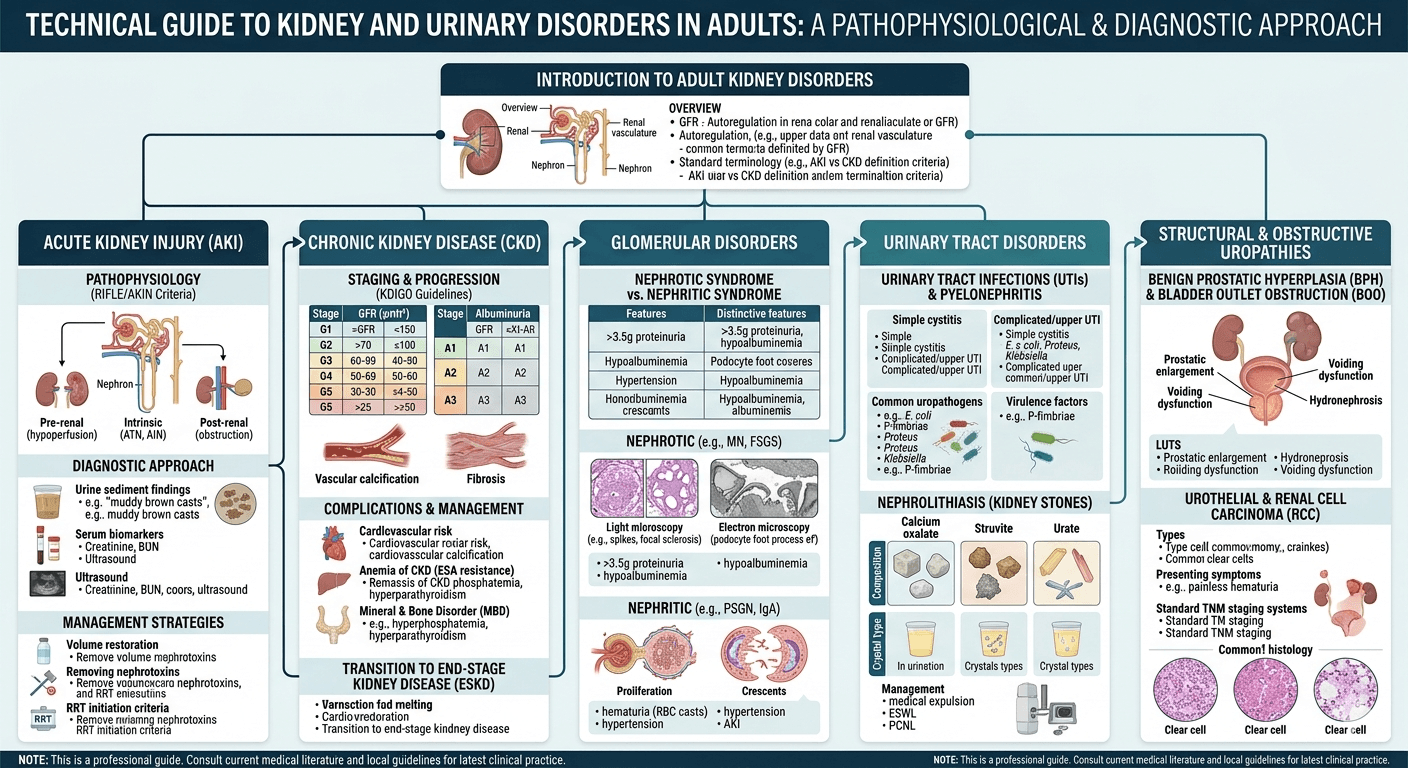
Kidney and urinary disorders are widespread medical conditions affecting millions of adults globally. The kidneys and urinary tract play a crucial role in eliminating waste, balancing fluids, regulating blood pressure, and maintaining overall health. Damage or disease affecting any part of this system can seriously impact a person’s well-being and daily life.
Learn the early warning signs, symptoms, causes, diagnosis, and treatment options for kidney and urinary disorders in adults. Discover practical management tips to protect kidney health and prevent serious complications.
Many kidney and urinary conditions progress gradually and often remain unnoticed during the early stages. Therefore, timely diagnosis and proper treatment are essential to reduce the risk of complications such as chronic kidney disease, kidney failure, repeated infections, and heart-related conditions.
This article provides an overview of kidney and urinary disorders in adults, discussing their causes, symptoms, risk factors, diagnosis, treatment options, prevention strategies, and long-term management.
Overview of the Kidney and Urinary System
The urinary system includes:
- Kidneys
- Ureters
- Bladder
- Urethra
Role of the Kidneys
The kidneys are two bean-shaped organs positioned near the spine. Their primary responsibilities include:
- Filtering waste from the bloodstream
- Producing urine
- Maintaining electrolyte balance
- Regulating blood pressure
- Managing body fluid levels
- Supporting red blood cell production through erythropoietin
- Activating vitamin D to maintain bone health
Role of the Urinary Tract
The urinary tract is responsible for carrying and storing urine before it exits the body.
- Ureters transport urine from the kidneys to the bladder.
- The bladder stores urine temporarily.
- The urethra expels urine from the body.
Any problem affecting these organs can result in kidney or urinary disorders.
Common Kidney and Urinary Conditions in Adults
Chronic Kidney Disease (CKD)
Chronic kidney disease is a progressive condition where kidney function slowly deteriorates over time.
Common Causes
- Diabetes
- High blood pressure
- Glomerulonephritis
- Polycystic kidney disease
- Recurring urinary tract infections
- Kidney stones
- Prolonged use of certain medications
Symptoms
- Tiredness
- Swelling in the legs and feet
- Reduced appetite
- Nausea
- Frequent urination
- Foamy urine
- Elevated blood pressure
- Muscle cramps
- Shortness of breath
Acute Kidney Injury (AKI)
Acute kidney injury refers to a sudden loss of kidney function that develops within hours or days.
Causes
- Severe dehydration
- Sepsis
- Significant blood loss
- Certain drugs
- Urinary blockage
- Heart failure
Symptoms
- Reduced urine production
- Swelling
- Confusion
- Fatigue
- Nausea and vomiting
- Chest pain in severe situations
AKI is considered a medical emergency and requires immediate treatment.
Urinary Tract Infection (UTI)
UTIs occur when bacteria enter and infect the urinary tract.
Types
- Urethritis
- Cystitis (bladder infection)
- Pyelonephritis (kidney infection)
Symptoms
- Burning sensation during urination
- Frequent urge to urinate
- Cloudy or foul-smelling urine
- Pelvic discomfort
- Fever and chills in kidney infections
Women are more likely to develop UTIs than men.
Kidney Stones
Kidney stones are solid mineral deposits that form inside the kidneys.
Risk Factors
- Inadequate water intake
- High-salt diet
- Obesity
- Family history
- Certain metabolic disorders
Symptoms
- Intense flank pain
- Blood in the urine
- Nausea and vomiting
- Painful urination
- Frequent urination
Glomerulonephritis
Glomerulonephritis involves inflammation of the glomeruli, the kidney’s filtering structures.
Causes
- Autoimmune conditions
- Infections
- Vasculitis
- Diabetes
Symptoms
- Blood in urine
- Protein in urine
- Swelling
- High blood pressure
- Declining kidney function
Polycystic Kidney Disease (PKD)
PKD is an inherited disorder marked by multiple fluid-filled cysts in the kidneys.
Symptoms
- High blood pressure
- Back pain
- Enlarged kidneys
- Blood in urine
- Kidney failure in advanced stages
Urinary Incontinence
Urinary incontinence is the inability to fully control bladder function.
Types
- Stress incontinence
- Urge incontinence
- Overflow incontinence
- Functional incontinence
Risk Factors
- Aging
- Pregnancy and childbirth
- Obesity
- Neurological diseases
- Enlarged prostate in men
Benign Prostatic Hyperplasia (BPH)
BPH is a noncancerous enlargement of the prostate gland commonly seen in older men, affecting urine flow.
Symptoms
- Weak urine stream
- Frequent urination
- Difficulty starting urination
- Nighttime urination
- Incomplete bladder emptying
Risk Factors for Kidney and Urinary Disorders
Several conditions and lifestyle habits increase the likelihood of developing kidney and urinary diseases.
Major Risk Factors
- Diabetes
- Hypertension
- Obesity
- Smoking
- Aging
- Family history
- Poor hydration
- Excessive salt intake
- Frequent infections
- Long-term painkiller use
- Autoimmune disorders
- Sedentary lifestyle
Early Symptoms and Warning Signs
Many kidney diseases remain silent until they become advanced, making early recognition essential.
Common Warning Signs
- Changes in urination
- Blood in urine
- Foamy urine
- Burning sensation while urinating
- Swelling in the face or legs
- Persistent fatigue
- High blood pressure
- Lower back or flank pain
- Nausea
- Difficulty concentrating
- Unexplained itching
Persistent symptoms should always be assessed by a healthcare provider.
Diagnosing Kidney and Urinary Diseases
Doctors use multiple methods to diagnose urinary and kidney disorders.
Medical History and Physical Examination
Healthcare providers may ask about:
- Symptoms
- Family medical history
- Medication use
- Fluid intake
- Existing health conditions
Laboratory Testing
Blood Tests
- Serum creatinine
- Blood urea nitrogen (BUN)
- Electrolyte levels
- Estimated glomerular filtration rate (eGFR)
Urine Tests
- Urinalysis
- Urine culture
- Proteinuria testing
- Microalbumin testing
Imaging Tests
- Ultrasound
- CT scan
- MRI
- Intravenous pyelogram
Specialized Procedures
- Cystoscopy
- Kidney biopsy
- Urodynamic studies
Stages of Chronic Kidney Disease
CKD is categorized into five stages according to eGFR levels.
- Stage 1: Normal kidney function with signs of kidney damage
- Stage 2: Mild decline in function
- Stage 3: Moderate decline
- Stage 4: Severe reduction in kidney function
- Stage 5: Kidney failure requiring dialysis or transplantation
Treatment and Management
Treatment depends on the type and severity of the condition.
Lifestyle Changes
Healthy Eating
Patients are often encouraged to:
- Lower salt intake
- Reduce processed foods
- Limit protein when necessary
- Avoid excess sugar
- Eat more fruits and vegetables
- Maintain a healthy weight
Proper Hydration
Adequate water intake supports kidney health and lowers the risk of infections and stones.
Physical Activity
Regular exercise helps manage:
- Blood pressure
- Diabetes
- Weight
- Heart health
Smoking Cessation
Smoking damages blood vessels and accelerates kidney damage.
Limiting Alcohol
Excess alcohol can worsen dehydration and blood pressure problems.
Medical Treatments
Medications
Depending on the condition, treatment may include:
- Antibiotics
- Blood pressure medications
- Diuretics
- Diabetes medications
- Pain relievers
- Drugs that reduce protein loss in urine
ACE inhibitors and ARBs are commonly prescribed in CKD because they help preserve kidney function.
Kidney Stone Management
Treatment approaches may involve:
- Increasing fluid intake
- Pain control medications
- Medical expulsive therapy
- Lithotripsy
- Ureteroscopy
- Surgery for severe cases
Dialysis
Patients with advanced kidney failure may require dialysis.
Types of Dialysis
Hemodialysis
Blood is filtered using a dialysis machine.
Peritoneal Dialysis
The abdominal lining is used to remove waste products.
Kidney Transplantation
Eligible patients with end-stage kidney disease may benefit from kidney transplantation, which can improve survival and quality of life.
Prevention of Kidney and Urinary Diseases
Many kidney-related conditions can be prevented or delayed through healthy habits.
Prevention Strategies
- Control blood sugar levels
- Maintain healthy blood pressure
- Stay hydrated
- Avoid smoking
- Exercise regularly
- Reduce salt consumption
- Limit unnecessary painkiller use
- Treat infections promptly
- Maintain a healthy weight
- Schedule regular medical checkups
Diet for Kidney Health
Beneficial Foods
- Fresh fruits
- Vegetables
- Whole grains
- Healthy fats
- Lean protein
- Adequate water intake
Foods to Limit
- Processed foods
- High-sodium foods
- Sugary beverages
- Excess red meat
- Excess phosphorus and potassium in advanced CKD
Diet plans should be customized based on the stage of kidney disease.
Possible Complications
Untreated kidney and urinary disorders may result in:
- Kidney failure
- Severe infections
- Hypertension
- Cardiovascular disease
- Electrolyte imbalances
- Anemia
- Bone disorders
- Fluid overload
Medical attention is necessary if you experience:
- Blood in urine
- Persistent swelling
- Severe flank pain
- Fever with urinary symptoms
- Reduced urine output
- Difficulty urinating
- Ongoing high blood pressure
- Recurrent UTIs
- Sudden fluid-related weight gain
Emergency care is needed for symptoms such as chest pain, confusion, inability to urinate, or severe infection.
Prognosis
The outcome depends on:
- Type of disease
- Stage at diagnosis
- Underlying health conditions
- Adherence to treatment
- Lifestyle modifications
Early diagnosis and proper management can slow disease progression and improve long-term health outcomes.
Emotional and Mental Health Impact
Living with kidney disease may affect mental well-being. Patients may experience:
- Anxiety
- Depression
- Stress
- Sleep disturbances
- Fear of dialysis or transplantation
Support from family members, healthcare professionals, counselors, and support groups can be highly beneficial.
Importance of Regular Screening
Individuals at higher risk should undergo routine kidney evaluations.
High-Risk Groups
- People with diabetes
- Individuals with hypertension
- Older adults
- People with obesity
- Those with a family history of kidney disease
Routine screening may include blood pressure monitoring, urine tests, and kidney function testing.
Conclusion
Kidney and urinary diseases are serious yet manageable health conditions affecting many adults worldwide. Early detection is essential for preventing complications and preserving kidney function.
Recognizing symptoms, reducing risk factors, maintaining healthy habits, and obtaining timely medical care can greatly improve outcomes. Modern diagnostic tools and treatments have enabled many individuals with kidney or urinary disorders to lead healthier and longer lives.
Anyone experiencing urinary abnormalities, swelling, fatigue, or other concerning symptoms should seek medical evaluation and appropriate treatment promptly.
Disclaimer: The information provided in this blog post is for educational and informational purposes only and should not be considered medical advice. It is not intended to replace professional medical consultation, diagnosis, or treatment. Always seek the guidance of a qualified healthcare professional regarding any medical condition or health-related concerns.