
Introduction
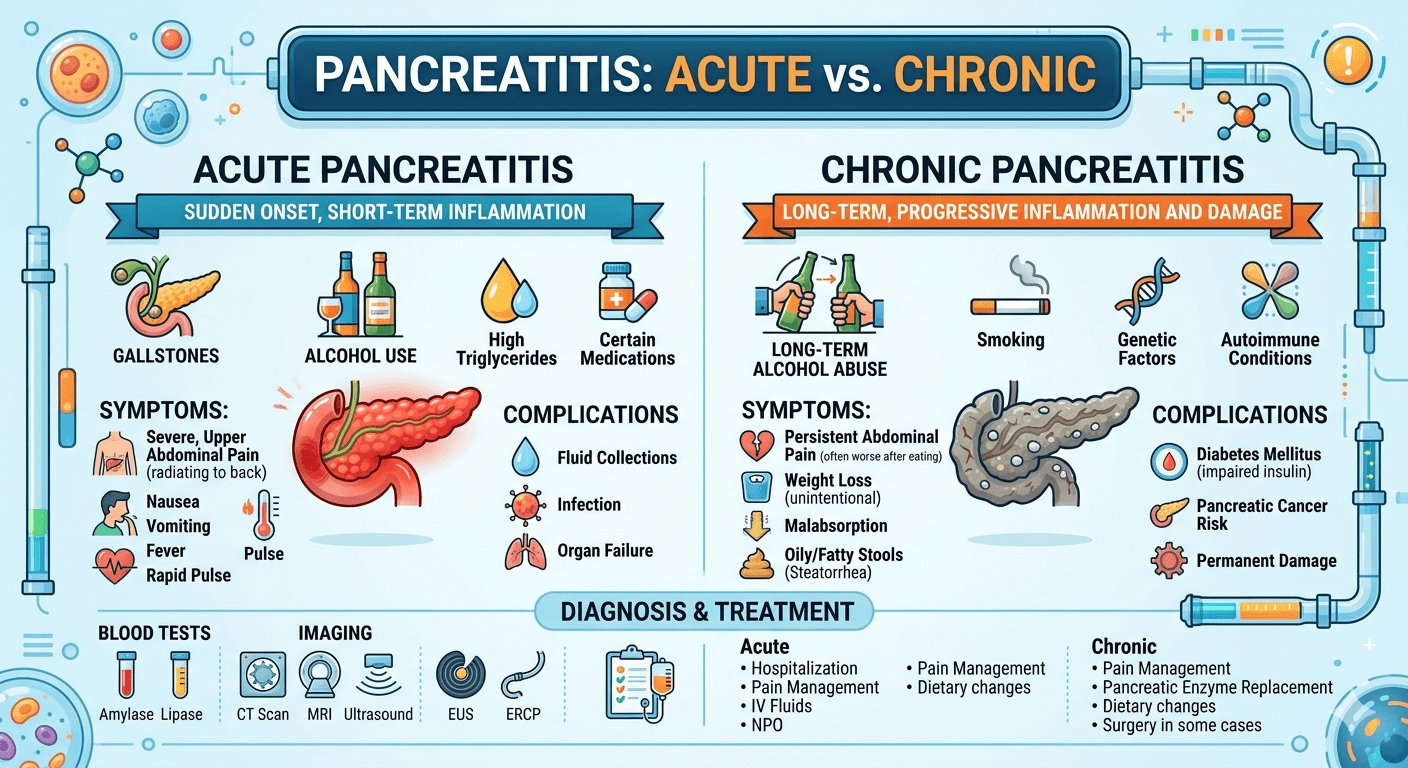
Pancreatitis is a condition marked by inflammation of the pancreas, which may occur suddenly as acute pancreatitis or develop gradually as chronic pancreatitis. The pancreas, located behind the stomach, plays a vital role in both digestion and blood sugar regulation. It produces enzymes that aid in digesting fats, proteins, and carbohydrates, while also releasing hormones like insulin and glucagon to control glucose levels.
This guide explains pancreatitis in detail, including its causes, symptoms, diagnostic methods, treatment approaches, possible complications, and recovery recommendations.
Pancreatitis develops when digestive enzymes become activated within the pancreas rather than in the small intestine. As a result, the pancreas begins to digest itself, leading to inflammation and tissue damage. The severity may vary from mild inflammation that improves with supportive care to severe disease involving organ failure and systemic complications.
Acute pancreatitis appears suddenly and often resolves with proper treatment, while chronic pancreatitis causes ongoing inflammation that permanently damages pancreatic tissue and gradually impairs pancreatic function.
Understanding the disease process, warning signs, causes, and treatment strategies is essential for early diagnosis and prevention of serious complications.
How Pancreatitis Develops
The primary problem in pancreatitis is the early activation of digestive enzymes inside pancreatic tissue. Normally, these enzymes remain inactive until they reach the duodenum. In pancreatitis, this protective system fails.
Enzyme Activation and Self-Digestion
Activation of trypsin within pancreatic acinar cells triggers a chain reaction of enzyme activation. These enzymes begin damaging pancreatic tissue, leading to:
- Cellular destruction
- Fat necrosis
- Bleeding
- Swelling
- Inflammation
This destructive process is known as pancreatic autodigestion.
Inflammatory Reaction
When pancreatic injury occurs, inflammatory chemicals such as cytokines and chemokines are released. These attract immune cells and worsen tissue damage. Severe inflammation can spread throughout the body and lead to systemic inflammatory response syndrome (SIRS).
Impaired Blood Circulation
Inflammation increases vascular permeability and swelling, reducing blood flow within the pancreas. Poor circulation may eventually cause tissue death and pancreatic necrosis.
Systemic Complications
In severe pancreatitis, inflammatory substances may enter the bloodstream and affect other organs, potentially causing:
- Acute respiratory distress syndrome (ARDS)
- Acute kidney injury
- Shock
- Sepsis
- Multi-organ failure
Chronic Pancreatitis
Repeated inflammatory episodes can lead to fibrosis, calcification, and permanent destruction of pancreatic tissue. Over time, both digestive and hormonal functions decline, resulting in malabsorption and diabetes.
Causes of Pancreatitis
Pancreatitis may develop from several underlying conditions. The causes often differ between acute and chronic disease.
Common Causes of Acute Pancreatitis
Gallstones
Gallstones are one of the most frequent causes. Small stones can block the pancreatic duct or ampulla of Vater, triggering enzyme activation and inflammation.
Alcohol Use
Heavy alcohol consumption damages pancreatic cells and thickens pancreatic secretions, contributing to duct blockage and inflammation.
Hypertriglyceridemia
Very high triglyceride levels may trigger pancreatitis due to the production of toxic free fatty acids.
Medications
Some medications linked to pancreatitis include:
- Azathioprine
- Valproic acid
- Thiazide diuretics
- Corticosteroids
- Didanosine
Infections
Certain viral infections, including mumps, hepatitis viruses, and cytomegalovirus, can inflame the pancreas.
Trauma
Abdominal injuries or surgical procedures may damage pancreatic tissue.
ERCP Procedures
Endoscopic Retrograde Cholangiopancreatography (ERCP) is a recognized cause of procedure-related pancreatitis.
Autoimmune Disorders
Autoimmune pancreatitis occurs when the immune system attacks pancreatic tissue.
Metabolic Conditions
Additional causes include:
- Hypercalcemia
- Genetic abnormalities
- Obesity
Idiopathic Cases
In some patients, no specific cause can be identified.
Causes of Chronic Pancreatitis
Common causes include:
- Long-term alcohol abuse
- Smoking
- Genetic disorders
- Autoimmune pancreatitis
- Repeated acute pancreatitis attacks
- Obstructive pancreatic duct disease
Symptoms and Signs of Pancreatitis
Clinical manifestations vary depending on the severity and duration of inflammation.
Symptoms of Acute Pancreatitis
Abdominal Pain
Severe upper abdominal pain is the most characteristic symptom. The pain often:
- Radiates to the back
- Starts suddenly
- Becomes worse after meals
- Improves slightly when leaning forward
Nausea and Vomiting
Persistent nausea and repeated vomiting are frequently present.
Fever
Inflammation or infection may lead to elevated body temperature.
Abdominal Tenderness
The abdomen may become swollen and painful on examination.
Loss of Appetite
Eating often worsens pain, causing patients to avoid food.
Tachycardia and Low Blood Pressure
Severe disease may cause dehydration and circulatory collapse.
Severe Features
Serious pancreatitis may present with:
- Breathing difficulty
- Cyanosis
- Confusion
- Jaundice
- Multi-organ dysfunction
Features of Chronic Pancreatitis
Persistent or Recurrent Pain
Pain may continue for long periods or occur in repeated episodes.
Malabsorption
Reduced digestive enzyme production may cause:
- Steatorrhea
- Weight loss
- Nutritional deficiencies
Damage to insulin-producing cells can lead to secondary diabetes.
Pancreatic Calcification
Calcifications may appear on imaging studies.
Diagnosis of Pancreatitis
Diagnosis combines clinical symptoms, laboratory testing, and imaging studies.
Diagnostic Criteria for Acute Pancreatitis
A diagnosis is typically confirmed when at least two of the following are present:
- Characteristic abdominal pain
- Elevated pancreatic enzyme levels
- Imaging findings consistent with pancreatitis
Laboratory Tests
Important investigations include:
- Serum amylase and lipase
- Complete blood count (CBC)
- Liver function tests
- Kidney function tests
- Serum calcium
- Lipid profile
- Blood glucose, RBS, and HbA1c
- C-reactive protein (CRP)
- ESR
Lipase is generally more specific and remains elevated longer than amylase.
Imaging Studies
Abdominal Ultrasound
Useful for identifying gallstones and biliary obstruction.
Contrast-Enhanced CT Scan
CT imaging helps evaluate:
- Pancreatic inflammation
- Necrosis
- Fluid collections
- Complications
MRI and MRCP
Helpful for examining pancreatic ducts and surrounding soft tissue.
Endoscopic Ultrasound (EUS)
Effective for detecting small gallstones and structural abnormalities.
Severity Assessment
Several scoring systems help predict disease severity, including:
- Ranson criteria
- APACHE II score
- BISAP score
- Glasgow score
Treatment of Pancreatitis
Management depends on the severity, cause, and associated complications.
Initial Treatment of Acute Pancreatitis
Fluid Replacement
Aggressive intravenous hydration is critical to maintain circulation and prevent complications.
Pain Relief
Strong analgesics are commonly needed to control severe abdominal pain.
Nutritional Support
Early enteral nutrition is preferred over prolonged fasting. Severe cases may require feeding through a nasojejunal tube.
Bowel Rest
Temporary restriction of oral intake may be necessary during severe episodes.
Oxygen Therapy
Supplemental oxygen is given if respiratory problems develop.
Treating Underlying Causes
Gallstone Pancreatitis
- ERCP may be performed to relieve biliary obstruction
- Cholecystectomy helps prevent recurrence
Alcohol-Induced Pancreatitis
Complete alcohol avoidance is essential.
Hypertriglyceridemia
Management may include:
- Insulin therapy
- Lipid-lowering medications
- Plasmapheresis in severe cases
Antibiotics
Preventive antibiotics are not routinely recommended and are reserved for infected necrosis or confirmed infections.
Managing Complications
Pancreatic Necrosis
Severe necrosis may require drainage procedures or surgery.
Pancreatic Pseudocysts
Large or symptomatic pseudocysts may need endoscopic or surgical drainage.
Organ Failure
Patients with respiratory, renal, or circulatory failure often require intensive care support.
Treatment of Chronic Pancreatitis
Lifestyle Changes
Recommended measures include:
- Stopping alcohol consumption
- Quitting smoking
- Following dietary modifications
Pancreatic Enzyme Replacement
Enzyme supplements help improve digestion and reduce steatorrhea.
Diabetes Treatment
Insulin therapy may become necessary.
Pain Management
Pain control strategies may involve:
- Analgesic medications
- Nerve blocks
- Endoscopic procedures
- Surgery in selected patients
Surgical Treatment
Surgery may be considered for:
- Duct obstruction
- Severe chronic pain
- Complications
- Suspicion of cancer
Prognosis
The outlook depends on disease severity, complications, and underlying causes.
Acute Pancreatitis
Most cases are mild and improve completely with supportive care. However, severe disease carries significant risk because of:
- Pancreatic necrosis
- Sepsis
- Multi-organ failure
Early diagnosis and prompt treatment improve survival and outcomes.
Chronic Pancreatitis
Chronic pancreatitis is progressive and irreversible. Long-term complications may include:
- Persistent pain
- Malnutrition
- Diabetes mellitus
- Pancreatic insufficiency
- Increased pancreatic cancer risk
Lifestyle modifications and regular follow-up can improve quality of life.
Prevention
Several strategies may reduce the likelihood of pancreatitis.
Healthy Lifestyle Measures
- Avoid excessive alcohol use
- Stop smoking
- Maintain a healthy weight
- Follow a balanced low-fat diet
Managing Metabolic Disorders
- Control triglyceride levels
- Treat hypercalcemia
- Manage diabetes effectively
Preventing Gallstones
Early treatment of gallstones can lower the risk of biliary pancreatitis.
Monitoring Medications
Patients taking medications associated with pancreatitis should be carefully monitored.
Conclusion
Pancreatitis is a potentially serious inflammatory condition affecting the pancreas in either acute or chronic forms. Gallstones and alcohol use remain the most common causes, although infections, metabolic disorders, medications, and autoimmune diseases may also contribute.
Patients often experience severe abdominal pain, nausea, vomiting, and systemic symptoms. Early diagnosis using laboratory tests and imaging studies is essential for effective treatment and prevention of complications. Supportive care, fluid therapy, nutritional support, and addressing the underlying cause remain the foundation of management.
Greater awareness, timely intervention, and long-term lifestyle changes can significantly improve outcomes and quality of life for individuals living with pancreatitis.
Disclaimer: The information provided in this blog post is for educational and informational purposes only and should not be considered medical advice. It is not intended to replace professional medical consultation, diagnosis, or treatment.