
Guiding You Toward Better Health Decisions
Simple, reliable, and practical health advice you can trust





Gut Health
Liver Health
Metabolic Health
Gut health refers to how well your digestive system works, especially the balance of microorganisms living in your intestines, known as the gut microbiome. A healthy gut helps break down food, absorb nutrients, support immunity, and even influence mood and mental well-being.
When the gut is balanced, beneficial bacteria keep harmful microbes under control. But poor diet, stress, infections, or excessive use of antibiotics can disrupt this balance, leading to issues like bloating, indigestion, constipation, or more serious conditions.
Maintaining good gut health involves eating a fiber-rich diet, including fruits, vegetables, whole grains, and probiotics like yogurt, staying hydrated, managing stress, and avoiding unnecessary medications. A healthy gut plays a key role in overall physical and mental health.
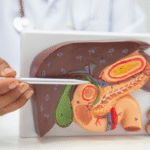
Liver health refers to how well your liver performs its essential functions, including detoxifying harmful substances, processing nutrients, producing bile for digestion, and regulating metabolism. The liver plays a central role in maintaining overall body balance.
When the liver is healthy, it efficiently filters toxins from the blood and supports digestion and energy storage. However, factors like excessive alcohol intake, poor diet, obesity, viral infections (such as Hepatitis B and Hepatitis C), and certain medications can damage the liver over time, leading to conditions like Fatty Liver Disease or cirrhosis.
Maintaining liver health involves eating a balanced diet, limiting alcohol, staying physically active, maintaining a healthy weight, and getting regular health check-ups. A well-functioning liver is vital for overall health and long-term well-being.
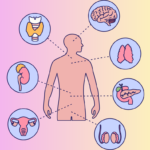
Metabolic health refers to how efficiently your body converts food into energy and maintains stable levels of blood sugar, cholesterol, blood pressure, and body weight. It reflects how well key processes like metabolism, hormone balance, and energy regulation are functioning.
When metabolic health is good, the body effectively uses nutrients, maintains steady energy levels, and reduces the risk of chronic conditions such as Type 2 Diabetes, heart disease, and obesity. Poor metabolic health, often influenced by an unhealthy diet, lack of physical activity, stress, and inadequate sleep, can lead to insulin resistance and long-term health complications.
Supporting metabolic health involves regular exercise, a balanced diet rich in whole foods, maintaining a healthy weight, managing stress, and getting enough sleep. Good metabolic health is a key foundation for overall physical well-being and disease prevention.
Nutrition
Preventive care
Nutrition is the process by which the body takes in and uses food to support growth, energy, and overall health. It involves essential nutrients such as carbohydrates, proteins, fats, vitamins, and minerals, each playing a specific role in maintaining body functions.
Good nutrition helps the body produce energy, build and repair tissues, strengthen the immune system, and reduce the risk of diseases like Malnutrition, Obesity, and Type 2 Diabetes. Poor dietary habits, such as excessive processed foods or nutrient deficiencies, can negatively affect health and well-being.
Maintaining proper nutrition involves eating a balanced diet that includes a variety of whole foods like fruits, vegetables, whole grains, lean proteins, and healthy fats. Good nutrition is fundamental to a healthy, active life.
Preventive care focuses on maintaining health and avoiding disease before problems develop. It includes routine check-ups, screenings, vaccinations, and lifestyle choices that help detect risks early and reduce the chances of serious illness.
Common examples include blood pressure and blood sugar monitoring, cancer screenings, and immunizations against infections like Influenza and COVID-19. Preventive care also involves healthy habits such as a balanced diet, regular exercise, avoiding tobacco, and managing stress.
By identifying issues early and promoting healthy living, preventive care can lower healthcare costs, improve quality of life, and reduce the risk of chronic diseases like heart disease and diabetes.